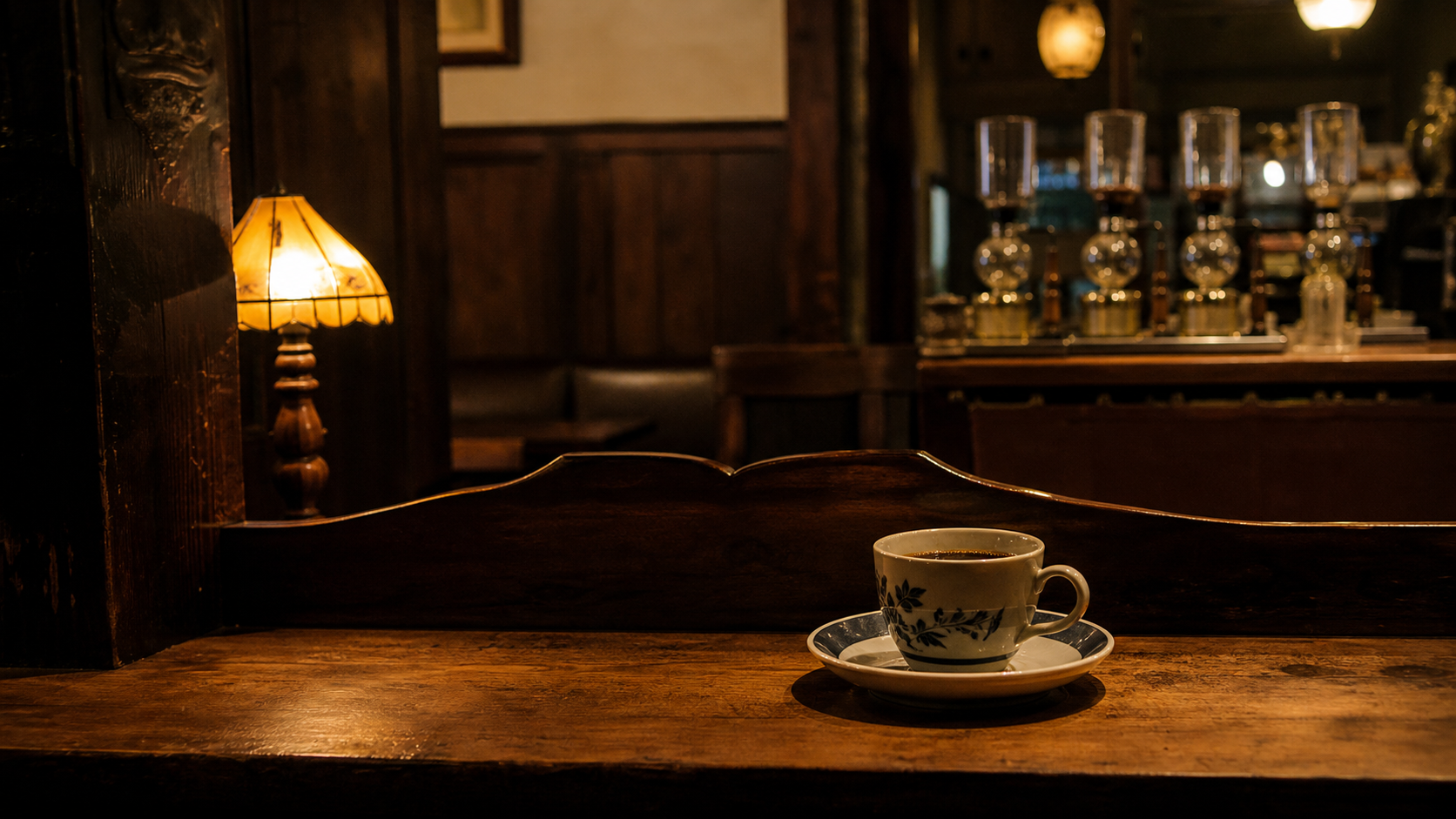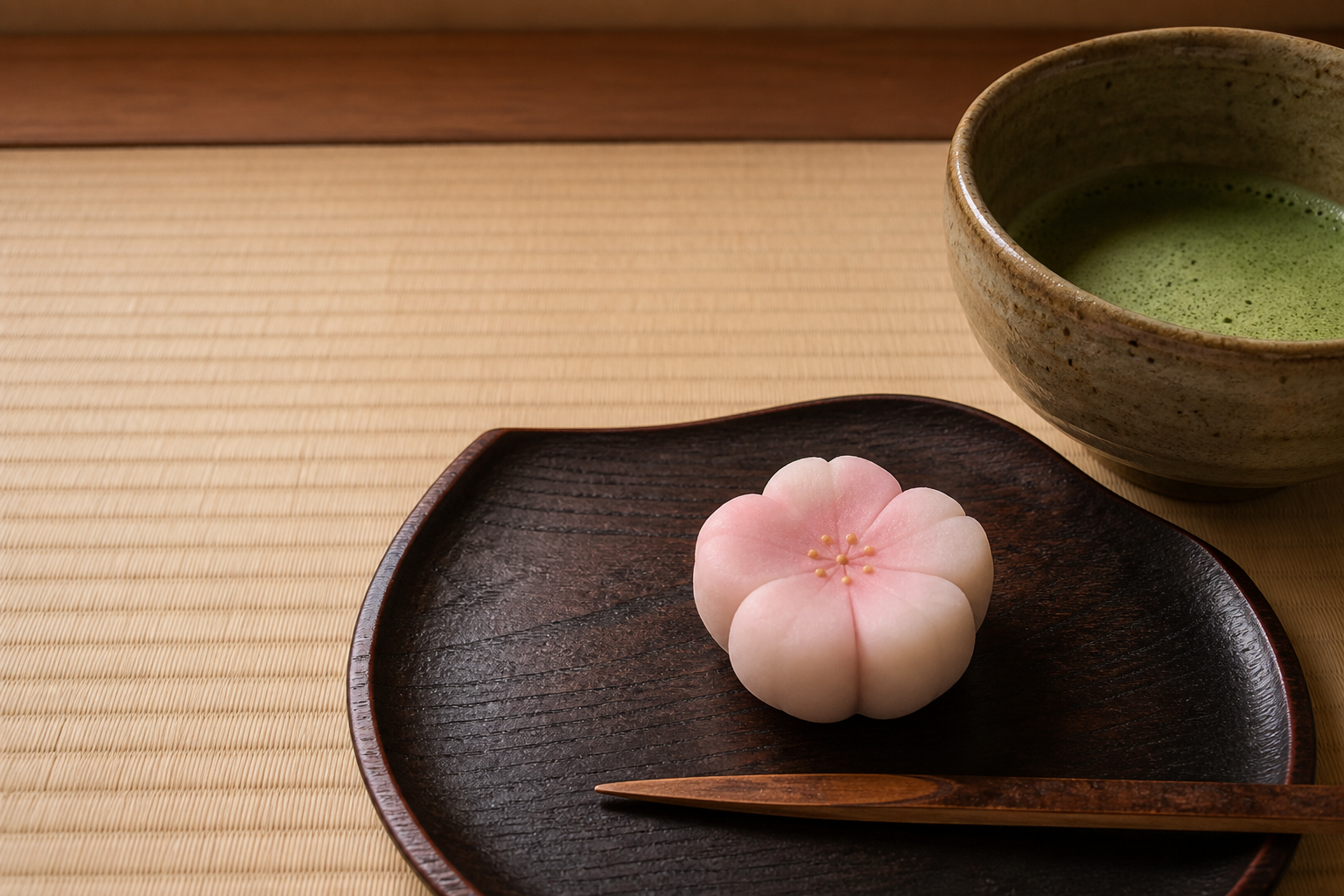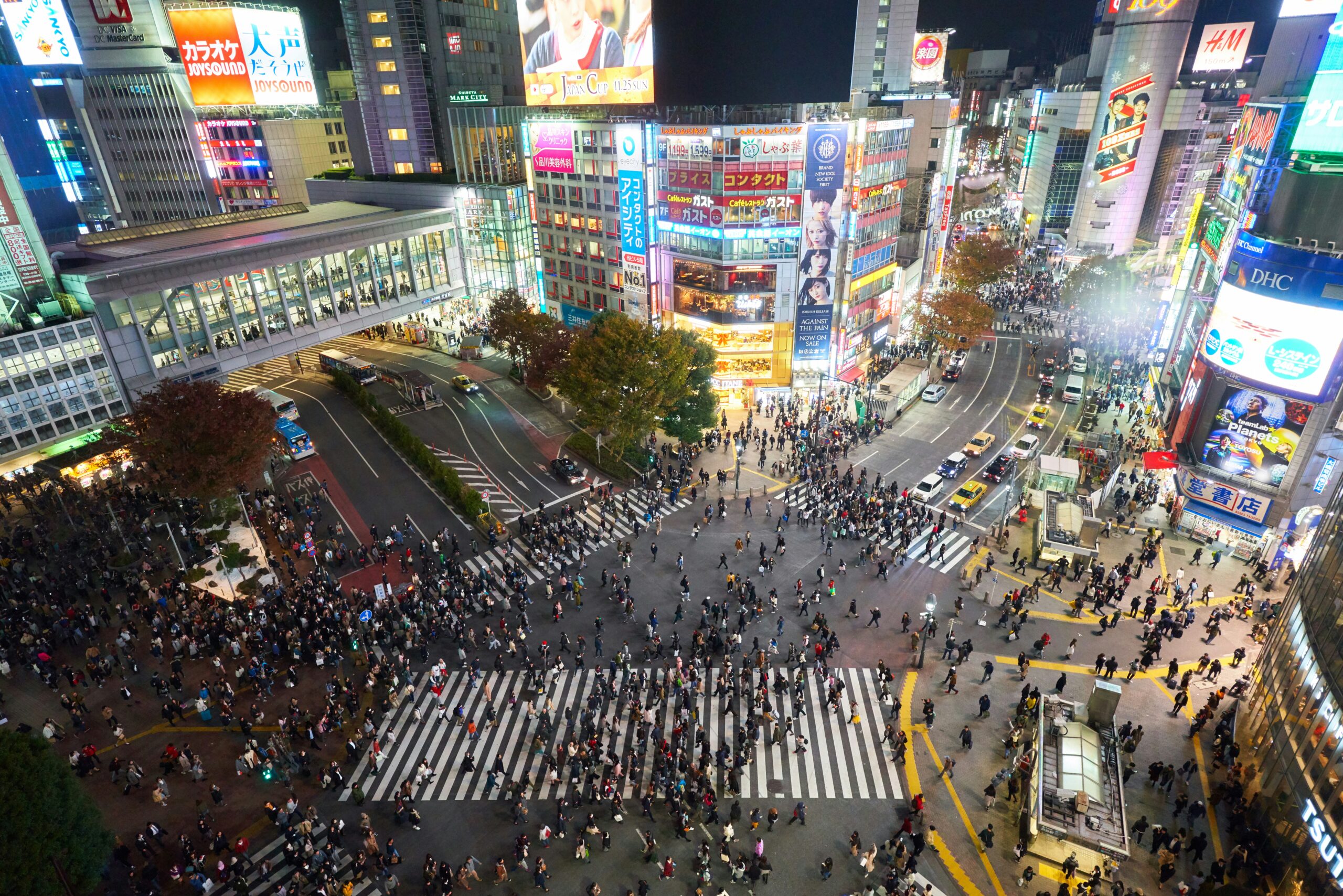
At 8:30 in the morning, before the Shibuya crossing fills with its familiar crowd, a small counter in GranDuo Shibuya is serving a set meal of rice, miso soup, and freshly shaved katsuobushi. The booking for that seat was made well in advance, as the shop's reservation window opens monthly. Three minutes' walk from Ebisu station, a bakery family's cafe is opening on the third floor of a building most people walk past. In Omotesando, a terrace cafe under an old camphor tree is serving its first coffee of the day, with free refills.
At 8:30 in the morning, before the Shibuya crossing fills with its familiar crowd, a small counter in GranDuo Shibuya is serving a set meal of rice, miso soup, and freshly shaved katsuobushi. The booking for that seat was made well in advance, as the shop’s reservation window opens monthly. Three minutes’ walk from Ebisu station, a bakery family’s cafe is opening on the third floor of a building most people walk past. In Omotesando, a terrace cafe under an old camphor tree is serving its first coffee of the day, with free refills.
A good shibuya breakfast is not simply food eaten before a busy schedule. In the morning hours before this part of Tokyo shifts into its more recognizable rhythms, these three places show a side of the neighborhood that the afternoon obscures.
Shibuya here means the wider morning corridor: Shibuya proper, Ebisu to the south, Omotesando to the northeast. These neighborhoods run into each other at street level, and their mornings share a similar quality. The crowds that define them later in the day have not yet arrived.
—
Shibuya Before the Crowd
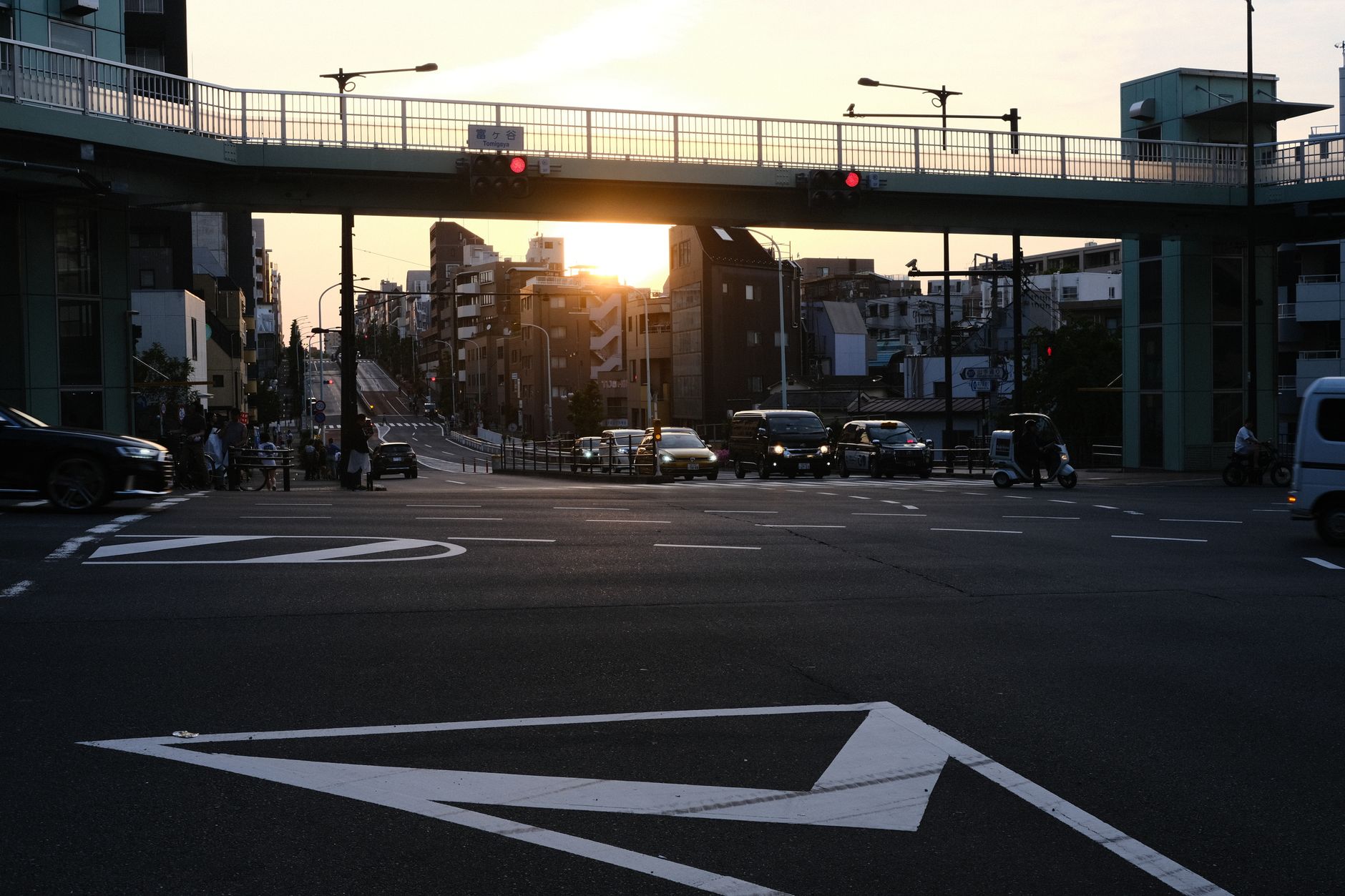
Shibuya is known for its crossing, its department stores, and the concentrated intensity of a neighborhood designed for a lot of people moving through at once. None of that is wrong. It is also a neighborhood where, before nine in the morning on a weekday, the side streets around the station hold a different kind of movement. Commuters, delivery drivers, the occasional morning walker. Not the version that fills a travel photograph.
The three places below each occupy a specific morning space within this corridor. Katsuo Shokudo makes katsuobushi the center of a meal that requires a reservation made weeks in advance. Shigekuni (in Ebisu) is a bakery cafe rooted in a baking family’s lineage, open only on certain mornings. crisscross (in Omotesando) is an all-day terrace cafe that turns its outdoor space into the morning’s primary thing.
None of these is the obvious version of a shibuya breakfast. That is what makes them worth knowing.
—
Katsuo Shokudo: The Bowl That Starts With Shaving
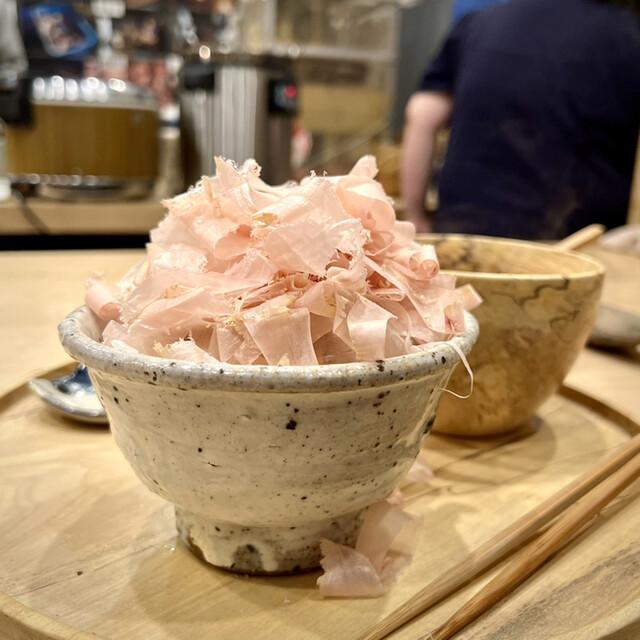
Katsuo Shokudo is a specialist shop in Shibuya’s GranDuo building, basement level. The focus is katsuobushi, the dried and fermented bonito that functions as Japan’s most foundational flavor base. At most restaurants, katsuobushi is processed and invisible, already dissolved into the dashi that seasons the dish. Here, the owner shaves it fresh to order, and the meal is built around what that reveals.
The set meal is approximately JPY 1,650 and includes rice, freshly shaved katsuobushi, miso soup, and pickles. The counter opens at 8:30 and closes around 13:00. The shop is closed Wednesdays, Thursdays, and the first of each month. Katsuo Shokudo received Michelin Bib Gourmand recognition in both 2022 and 2023, which is notable for a breakfast-hour counter at this price point.
The shop requires a reservation, made via TableCheck. New reservations open on the 20th of each month for the following month. Walk-in availability is rare. For a shibuya breakfast at Katsuo Shokudo, planning ahead is not optional.
What It Is
The difference between freshly shaved katsuobushi and the pre-packaged version familiar from convenience store dishes is the difference between a smell and a memory of a smell. The texture is also different: the freshly shaved flakes are light and delicate in a way the dried and compressed version does not replicate.
The counter is small. The pace is purposeful, not rushed. Most of the morning business is over by noon, which makes the setting feel less like a restaurant and more like a specific daily ritual that the public has been allowed to participate in.
What It Tells You
Katsuobushi is the hidden infrastructure of Japanese cuisine. It produces the dashi that seasons much of Japanese cooking, and it is almost never the thing a meal is named after. Katsuo Shokudo reverses that. The ingredient that usually stays in the background becomes the reason to plan ahead and secure a reservation. What the Bib Gourmand recognition confirmed is that this reversal is worth the planning: the value here is in the material and the preparation, not in the setting or the presentation.
—
Shigekuni: The Bakery Family’s Third-Floor Room
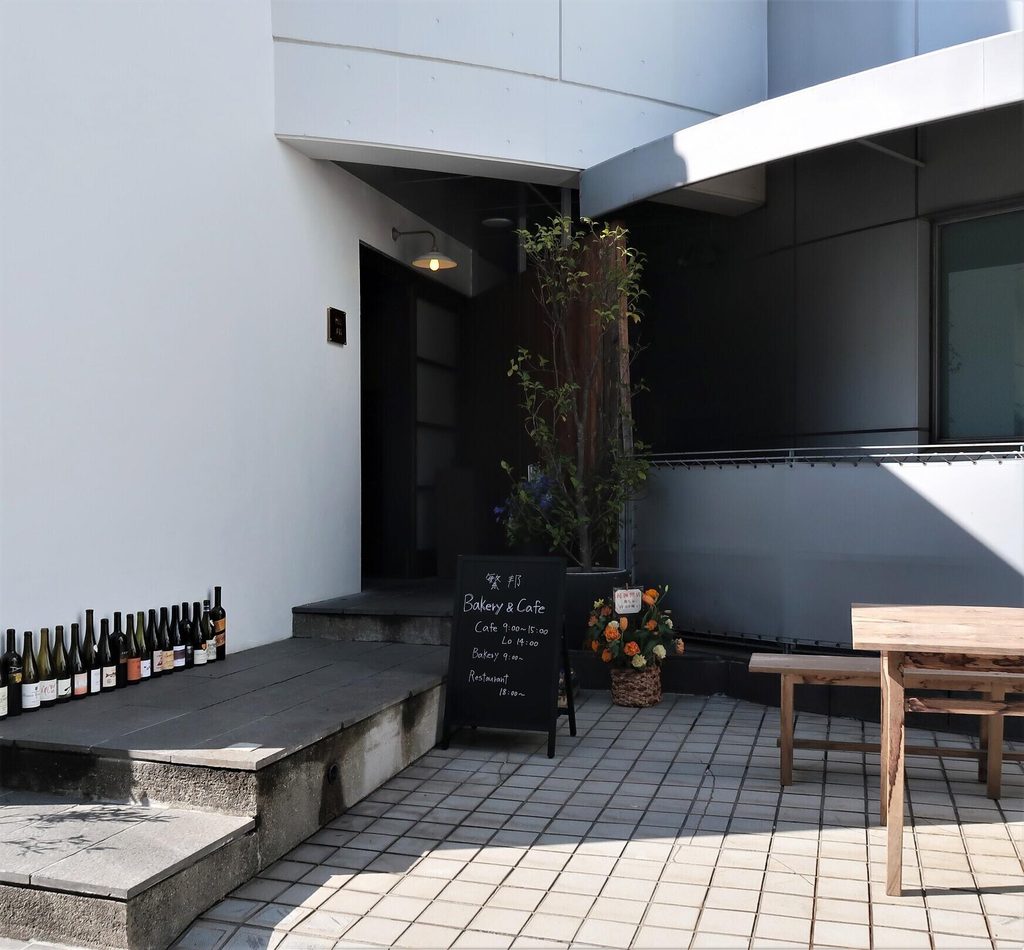
Shigekuni-ya 55 Bakery in Koenji is a neighborhood bakery with a following built over many years of daily operation. The son of the owner opened Shigekuni in Ebisu in 2024: a bakery cafe by day and a French bistro by evening, on the third floor of a building in Ebisu Minami.
The bakery cafe hours are Wednesday through Saturday, 9:00 to 15:00 (last order 14:00), and Sunday, 9:00 to 17:00. The cafe is closed Monday and Tuesday. The morning menu includes open sandwiches, crepes, and cafe food made using bread from the bakery lineage that runs back to Koenji.
Shigekuni is also known for pan-nomi (literally “bread drinking”), the practice of pairing good bread with wine. In the evening, the space becomes a French bistro where bread and wine are paired with the same attention given to the morning food. The bakery-to-wine pairing is the thread connecting the two halves of the day.
What It Is
This is not a Japanese-style breakfast in the traditional sense. But it belongs in a coffeeka account of the shibuya breakfast corridor because of what it represents: a knowledge of bread that has crossed neighborhoods and taken a different form. The gap between the person who has spent years understanding bread and the food on the plate is the shortest possible.
The third-floor location removes the room from the Ebisu streetfront. The stairs are not marked by signage that competes for attention. The cafe draws people who have made a specific choice to be there, which gives the room a different quality than a ground-floor walk-in space.
The open sandwiches and crepes reflect the bistro sensibility that runs through both the daytime cafe and the evening restaurant. The bread quality is the constant. The evening bistro character means the room carries a different weight than most daytime cafes, even in the morning hours.
What It Tells You
A bakery family extending its understanding into a new neighborhood and a new format shows something that coffeeka is interested in: the way specific knowledge moves through people and places. The Koenji bakery lineage does not disappear when it arrives in Ebisu. It takes a different shape, but the bread it produces still carries that history. The third-floor room in a quiet stretch of Ebisu Minami is the current form of that knowledge.
The pan-nomi concept is an extension of the same idea: bread at the center, everything else arranged around it. Morning or evening, the logic of the place is the same.
—
crisscross: The Terrace Under the Camphor Tree
crisscross is an all-day cafe two minutes from the B3 exit of Omotesando station. It opens at 8:00 every day and closes at 21:00 (last order 20:00). There are no regular closing days.
The cafe’s central feature is an outdoor terrace organized around a large camphor tree (kusunoki). The tree is old, large enough to shade a substantial seating area, and located on Omotesando before the shopping street’s boutiques have opened their doors.
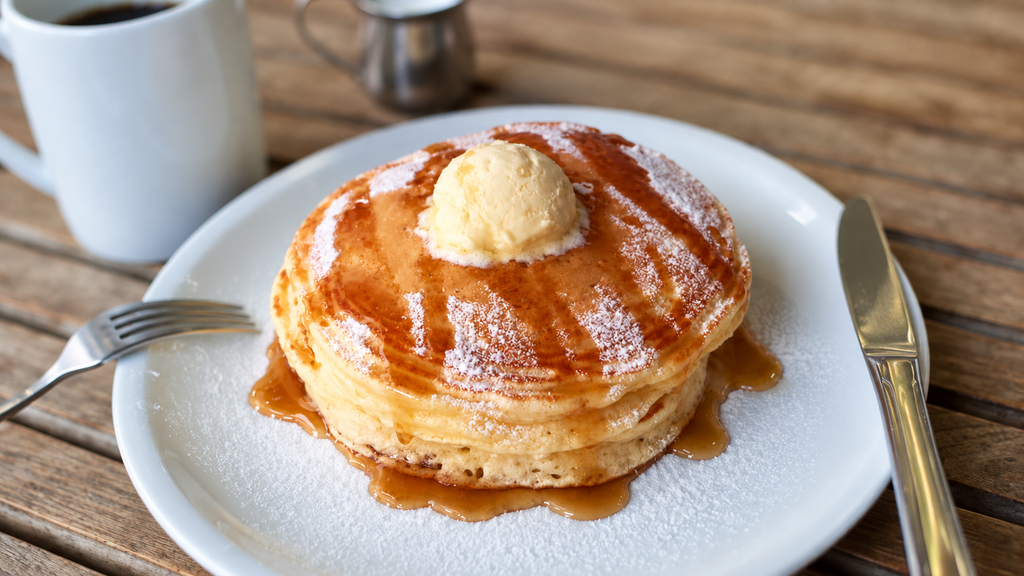
The morning menu (available from 8:00) includes classic buttermilk pancakes, avocado toast, granola, and toast made from bread baked at breadworks, the bakery that operates alongside the cafe. Coffee uses beans sourced from THE ROASTERY BY NOZY COFFEE in Harajuku. Hot coffee refills are free.
What It Is
Reservations are accepted from 17:30; breakfast and lunch are walk-in.
A shibuya breakfast at crisscross follows a Western format: pancakes and coffee, not rice and miso. What distinguishes it from a generic brunch cafe is the specific outdoor space. The terrace under a mature tree on one of Tokyo’s most curated shopping streets, before the stores open and before the weekend crowds arrive, is a version of Omotesando that the neighborhood’s usual identity keeps out of view.
Free coffee refills are unusual in Tokyo, where coffee is usually priced per cup. The policy reflects a pace that the cafe has built into its morning: you can stay. Weekday mornings before 10 are quieter than the midday or weekend experience.
What It Tells You
crisscross has made the outdoor space the primary thing, not an amenity. The terrace exists because of the camphor tree, not despite being on Omotesando. Sitting under it with a coffee before the shopping street opens is a way of experiencing a neighborhood at a distance from its designed purpose. The tree is older than the boutiques around it.
For a broader account of the kind of slow, observational morning that this cafe makes possible, the quiet travel guide traces the same quality across multiple forms of Japanese experience.
—
Which One to Choose
Each place offers a different shibuya breakfast, and a different relationship with the morning in this part of Tokyo.
Katsuo Shokudo requires planning. Reservations open on the 20th of each month for the following month. The shop is closed Wednesdays, Thursdays, and the first of each month. Go here if the specific experience of katsuobushi as the center of a meal is what you are after.
Shigekuni is Wednesday through Sunday, mornings only (9:00 to 15:00, Sunday until 17:00). Go here if you want a morning rooted in a baking tradition, in a quieter room than the Ebisu streetfront.
crisscross is the most accessible: open every day from 8:00, walk-in, no reservation needed. Go here for the terrace experience and the most relaxed morning format in the corridor.
For a comparable approach to reading a Tokyo neighborhood through its morning food, Tsukiji breakfast and Asakusa breakfast cover similar ground in different districts.
The wider Shibuya corridor holds more morning than most visitors expect. These three places are three different ways to find it, before the day that most people come here for has begun.
—
Hours, menus, and reservation availability change. Confirm before visiting, especially for Katsuo Shokudo (reservation required, limited days) and Shigekuni (Wednesday through Sunday only).
—
Sources
- Katsuo Shokudo: Reservations via TableCheck (tablecheck.com; search “かつお食堂 渋谷”). Michelin Bib Gourmand Tokyo 2022/2023: verify on current Michelin Guide Japan listings.
- Shigekuni: Official Instagram (search “繁邦 恵比寿”) for current hours and menu. Bakery background: Shigekuni-ya 55 Bakery, Koenji.
- crisscross: Part of the T.Y.HARBOR group (tysons.jp). Official page lists hours, menu, and reservation policy.