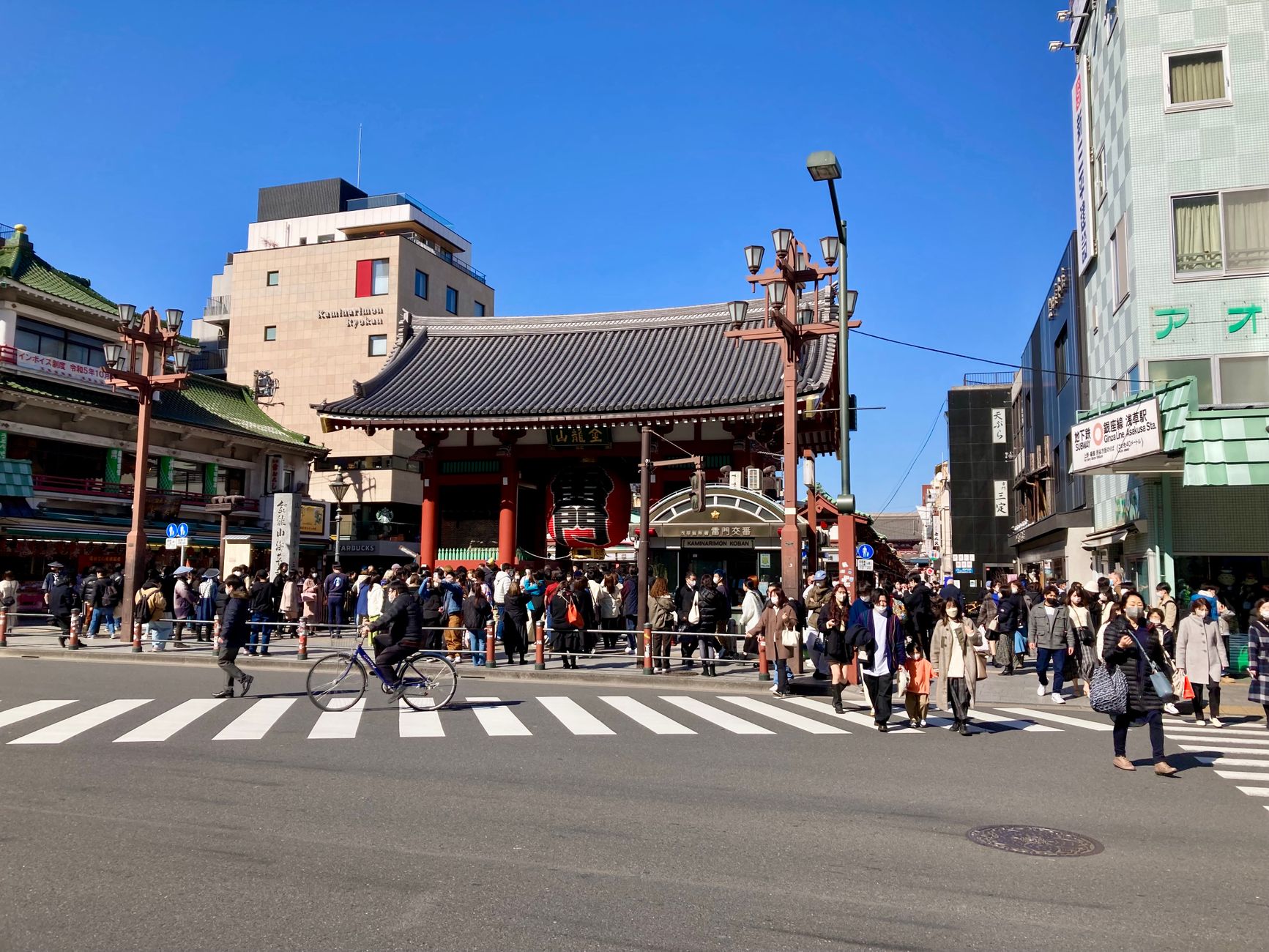
Before Senso-ji fills with visitors, Asakusa runs on its own schedule. The bakery on the corner has been making bread since 1942. A miso soup shop opens at 8:00 and closes its breakfast window at 10:00. A Norwegian coffee bar serves waffles from a building visible from the temple's western gate. These things are happening at the same time, in the same neighborhood, before most of the day's crowds arrive. Senso-ji is the major Buddhist temple at the center of Asakusa, and among the most visited sites in Tokyo.
Before Senso-ji fills with visitors, Asakusa runs on its own schedule. The bakery on the corner has been making bread since 1942. A miso soup shop opens at 8:00 and closes its breakfast window at 10:00. A Norwegian coffee bar serves waffles from a building visible from the temple’s western gate. These things are happening at the same time, in the same neighborhood, before most of the day’s crowds arrive.
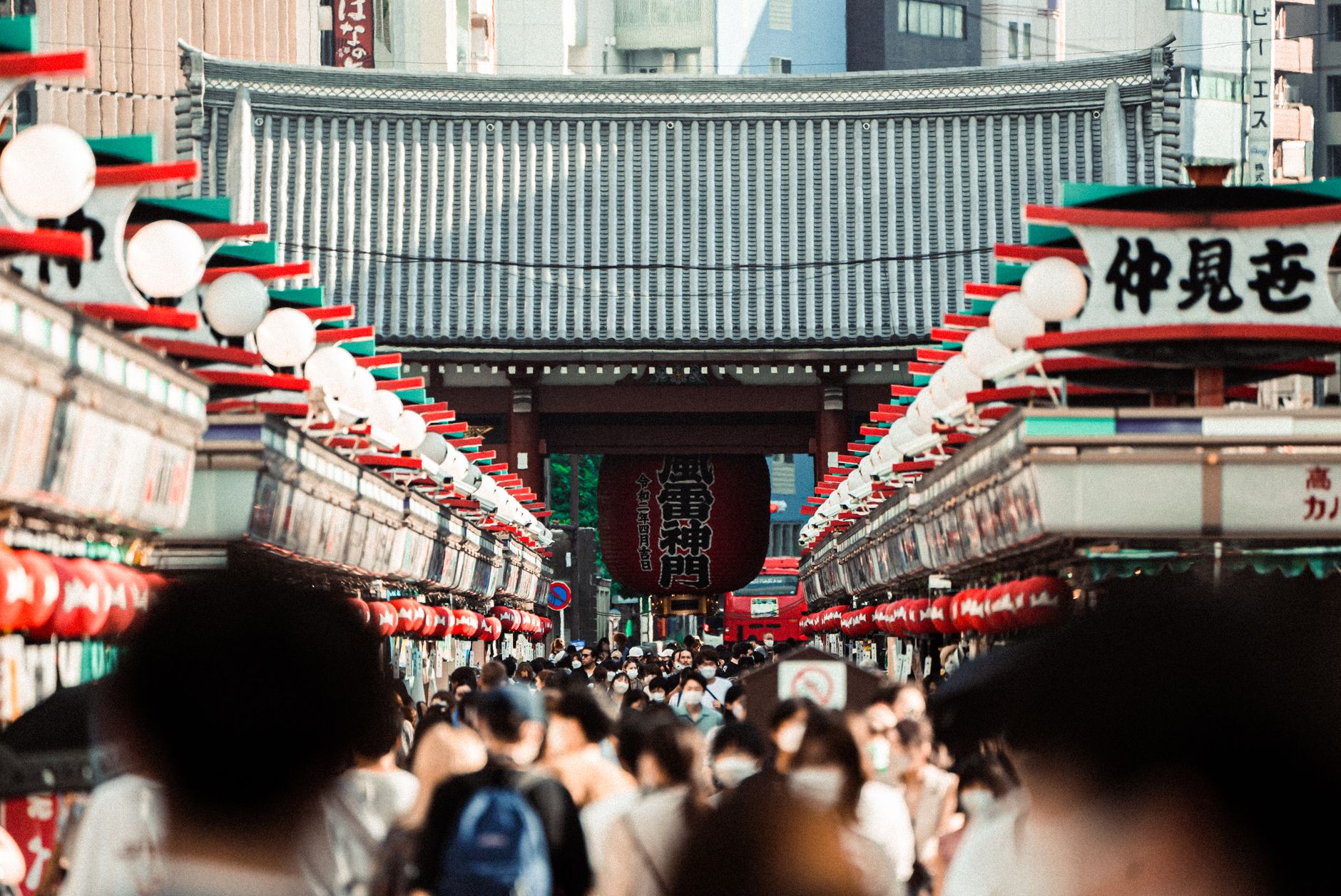
Senso-ji is the major Buddhist temple at the center of Asakusa, and among the most visited sites in Tokyo. By midmorning, the approach through Nakamise (the market street leading toward the temple gate) is crowded. Before nine, both the street and the neighborhood around it run differently.
An Asakusa breakfast is not a fixed category of food. The three places below each offer a different version of what the neighborhood looks like before it shifts into its tourist rhythm, and all three are worth understanding before the visit rather than after.
—
Asakusa Before the Temple Crowds
Eating early in Asakusa is not only practical. It is also when the neighborhood’s own habits are most visible: the person stopping at a miso soup counter before work, the regular at the bakery cafe who knows which table stays quiet. These routines exist independently of the tourist rhythm.
The asakusa breakfast options below have different timing rules. MISOJYU’s morning set ends at 10:00 on weekdays. Fuglen opens at 8:00 every day and runs through the evening. Pelican Cafe opens at 9:00 on weekdays but holds the toast and sandwich menu until 11:00; on Saturdays, the full menu is available from 9:00. These details matter here and are stated plainly.
—
MISOJYU: One Bowl as the Whole Breakfast
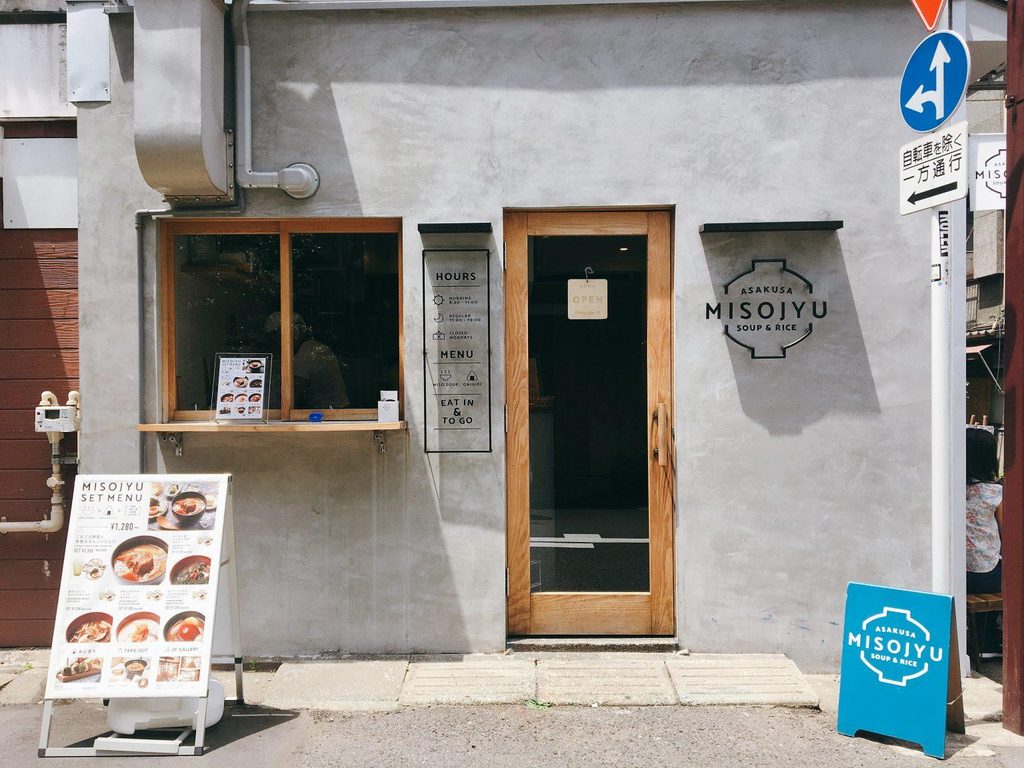
MISOJYU is a miso soup specialty shop. The concept is specific: miso soup treated as the main course rather than as a side dish. The Asakusa main store is open from 8:00 on weekdays, a few minutes from the Ginza Line exit.
The morning set runs from 8:00 to 10:00, weekdays only. On weekends and holidays, the shop opens at 9:00 with the regular menu, but the morning set is not available. An Asakusa breakfast at MISOJYU is specifically a weekday morning decision.
The morning set is miso soup, an onigiri (rice ball), half a boiled egg, and pickles. The soup uses a dashi (Japanese stock) made from katsuobushi (dried bonito flakes) and kombu (dried kelp), combined with an original blend miso. The vegetables are primarily organic and in generous amounts. The menu rotates with the season, but the format stays consistent: a bowl that is the center of the meal, not the background.
What It Is
The bowl arrives full of ingredients. MISOJYU does not serve a thin or decorative soup. The vegetables are in substantial pieces, the miso has weight to it, and the overall experience of eating it as the main dish (with rice beside it rather than leading it) is different from the soup-as-afterthought version most meals produce.
The shop also offers creative miso soups alongside traditional ones. The counter pace in the morning is purposeful; most people here have somewhere to be after breakfast, and the food is suited to that kind of morning.
MISOJYU
MISOJYU makes the argument that miso soup deserves to be reconsidered. Not elevated in a luxury sense, but centered. A bowl of good miso soup with a well-made dashi and a well-made onigiri is a complete breakfast. The shop proves this claim. What is interesting about it in Asakusa specifically is that this centering of an ordinary thing happens alongside a temple that draws enormous crowds: the neighborhood holds both the spectacular and the everyday, and at 8:00 on a weekday, the everyday version is more visible.
—
Fuglen ASAKUSA: Norwegian Coffee Beside Senso-ji
Fuglen is a coffee roaster and bar from Oslo. The Asakusa location opened in September 2018 in a building designed by architect Akihisa Hirata. The building drew inspiration from Asakusa’s long history and Edo-period culture and is visible from Senso-ji’s western entrance. The proximity of a Norwegian coffee bar to a seventh-century Buddhist temple is the kind of detail that Asakusa keeps producing without much effort.
The Asakusa location is the only Fuglen in Tokyo that serves Norwegian heart-shaped waffles. The waffles come with accompaniments including brown cheese, a Norwegian whey cheese that is sweet, slightly caramelized, and unlike any cheese most visitors will have tried before. The day menu also includes sourdough bread. Both waffles and bread have a last order at 6:00 p.m.
The shop opens at 8:00 daily. Weekdays close at 9:00 p.m.; weekends and holidays at 11:00 p.m.

What It Is
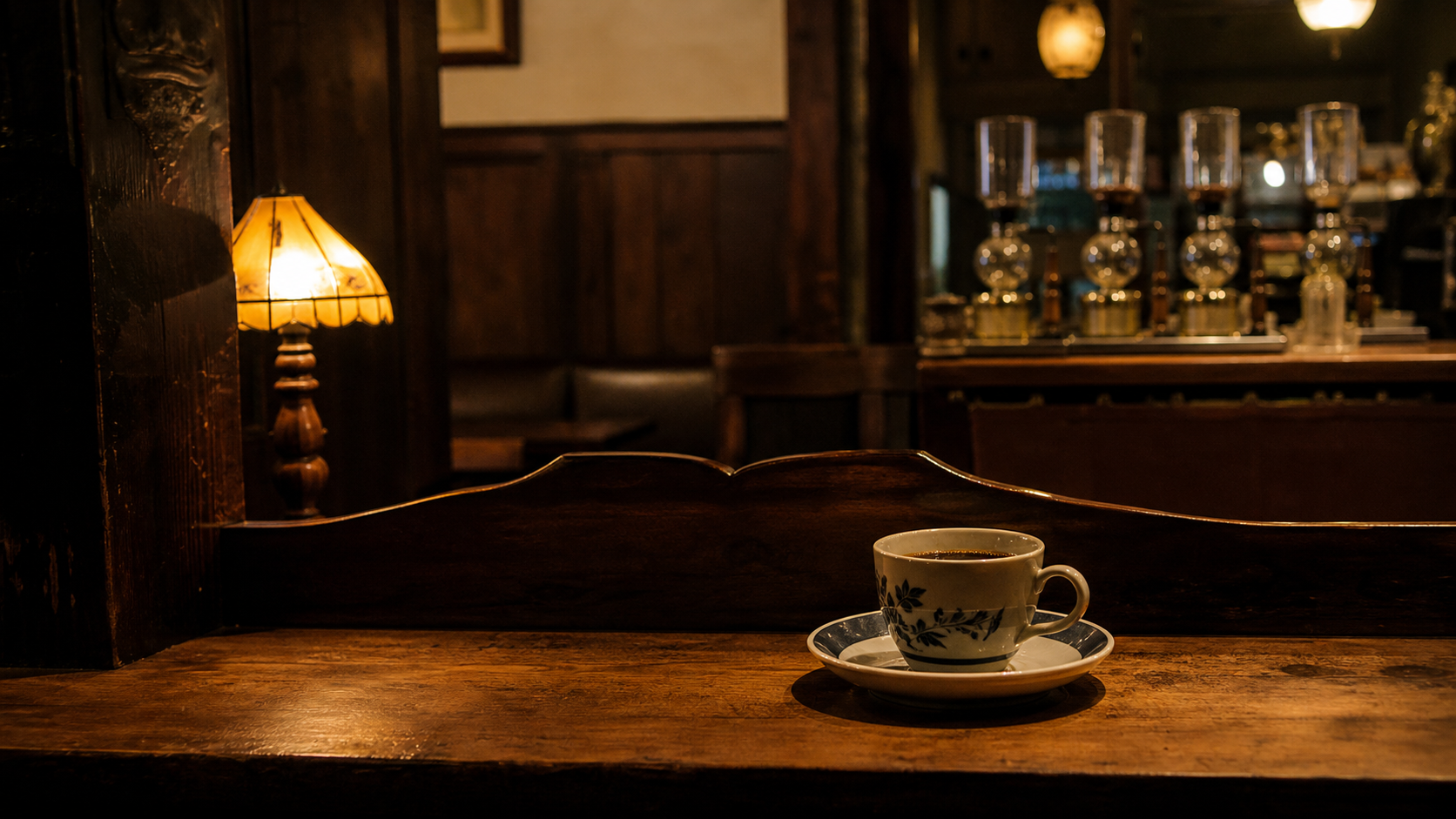
Fuglen’s coffee is roasted in a Nordic style: lighter than the darker roasts associated with Japan’s kissaten (traditional coffee houses), with more acidity and distinct fruit character. The difference is intentional and worth knowing before ordering.
The waffles with brown cheese require a small act of openness. The combination is specific and unfamiliar to most visitors, but satisfying once the cheese’s particular sweetness is understood.
Fuglen ASAKUSA
Fuglen in Asakusa works because Asakusa has long been a neighborhood that holds different things at once. Historically it was a center of popular culture, entertainment, and commerce; now it carries the weight of being one of Tokyo’s most photographed destinations while remaining, at street level, a working neighborhood where people shop, eat, and commute. A Scandinavian coffee bar beside the temple gate is, in that context, less surprising than it sounds. The coffee is specific and the waffles are worth trying. That alone is enough of a reason for an asakusa breakfast here.
—
Pelican Cafe: The 1942 Bakery’s Own Table
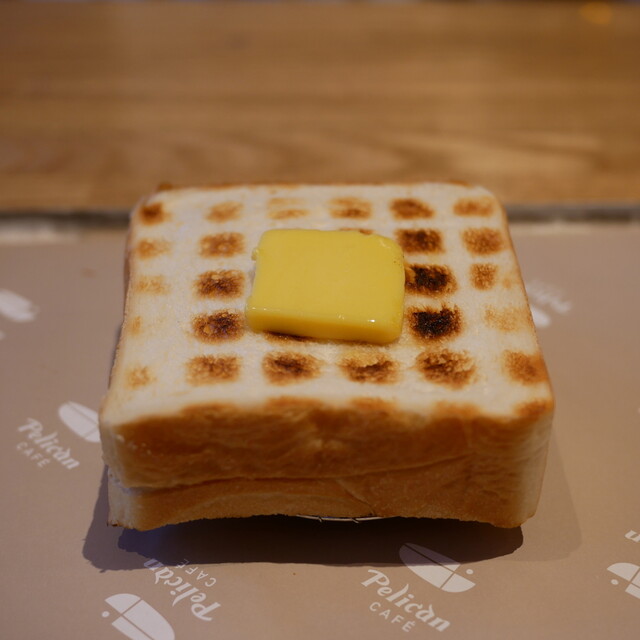
Pelican Bread has been making bread on a street in Asakusa since 1942. It is a small bakery known for its shokupan (Japanese white sandwich bread) and rolls, operating in the same location for most of a century.
Pelican Cafe is the bakery’s directly managed cafe, one block away, under the same red awning in yellow. The menu centers on the bread: charcoal-grilled toast, a fruit sandwich (approximately 1,000 yen), and a set that pairs charcoal-grilled toast with a drink and the day’s soup. Coffee is available throughout the day. The charcoal preparation is specific to this cafe and draws out a caramelized edge that conventional toasting does not produce.
The timing requires attention. On weekdays, the cafe opens at 9:00 but the toast and sandwich menu does not begin until 11:00. From 9:00 to 11:00 on weekdays, the cafe serves coffee and drinks only. On Saturdays, the full menu is available from 9:00. The cafe is closed Sundays.
What It Is
Saturday morning from 9:00 is when Pelican Cafe is fully itself. Weekday visitors arriving before 11:00 will find coffee and a quiet room, which is a reasonable way to spend an hour before Nakamise gets busy. On popular days, the cafe uses a numbered ticket system for entry; the quietest windows are typically weekday mornings before 10:00 or weekday afternoons after 14:00.
Pelican’s white bread has a particular quality: a soft, slightly elastic crumb, a thin crust, a faint sweetness that comes from the bread itself. Charcoal-grilled, it has more presence than a standard toaster produces. The fruit sandwich is a popular order; the daily sandwich changes based on what is available. The cafe is calm and welcoming to solo visitors, without pressure around the pace of eating.
Pelican Cafe
The logic of Pelican Cafe is the logic of the direct-run table: no distance between the person who makes the thing and the room where it is eaten. A bakery from 1942 does not need to explain its bread. It just needs a room. That this room exists in Asakusa, one block from the bakery that predates the postwar period, says something about how certain parts of the neighborhood have stayed continuous through decades of change. An asakusa breakfast at Pelican Cafe, especially on a Saturday when the full menu is open, is breakfast that belongs to a specific place rather than to a general idea of Tokyo food.
—
Which One to Choose
Each of these three places offers a different version of asakusa breakfast, and a different window into what the neighborhood holds before the tourist day starts.
MISOJYU is for the early weekday start, before 10:00, for a Japanese breakfast where miso soup is the main dish. Weekday-only morning set, ends at 10:00.
Fuglen is for any morning, any day, for Nordic coffee and a waffle combination that exists nowhere else in this neighborhood. Opens at 8:00 every day.
Pelican Cafe is best on Saturday morning from 9:00, when the full menu is available from opening. On weekdays, food does not begin until 11:00, so plan for coffee only before that.
If this approach to reading a Tokyo neighborhood through its morning food is useful, the piece on Tsukiji breakfast covers three comparable spots in a similar frame. For a longer look at how Japan holds space for unhurried rhythms, the quiet travel guide offers a broader picture of that same quality.
—
Hours, menus, and availability change. Confirm before visiting, especially for the MISOJYU weekday morning set (ends 10:00, weekdays only) and the Pelican Cafe food menu timing (weekday 11:00 start, Saturday 9:00).