
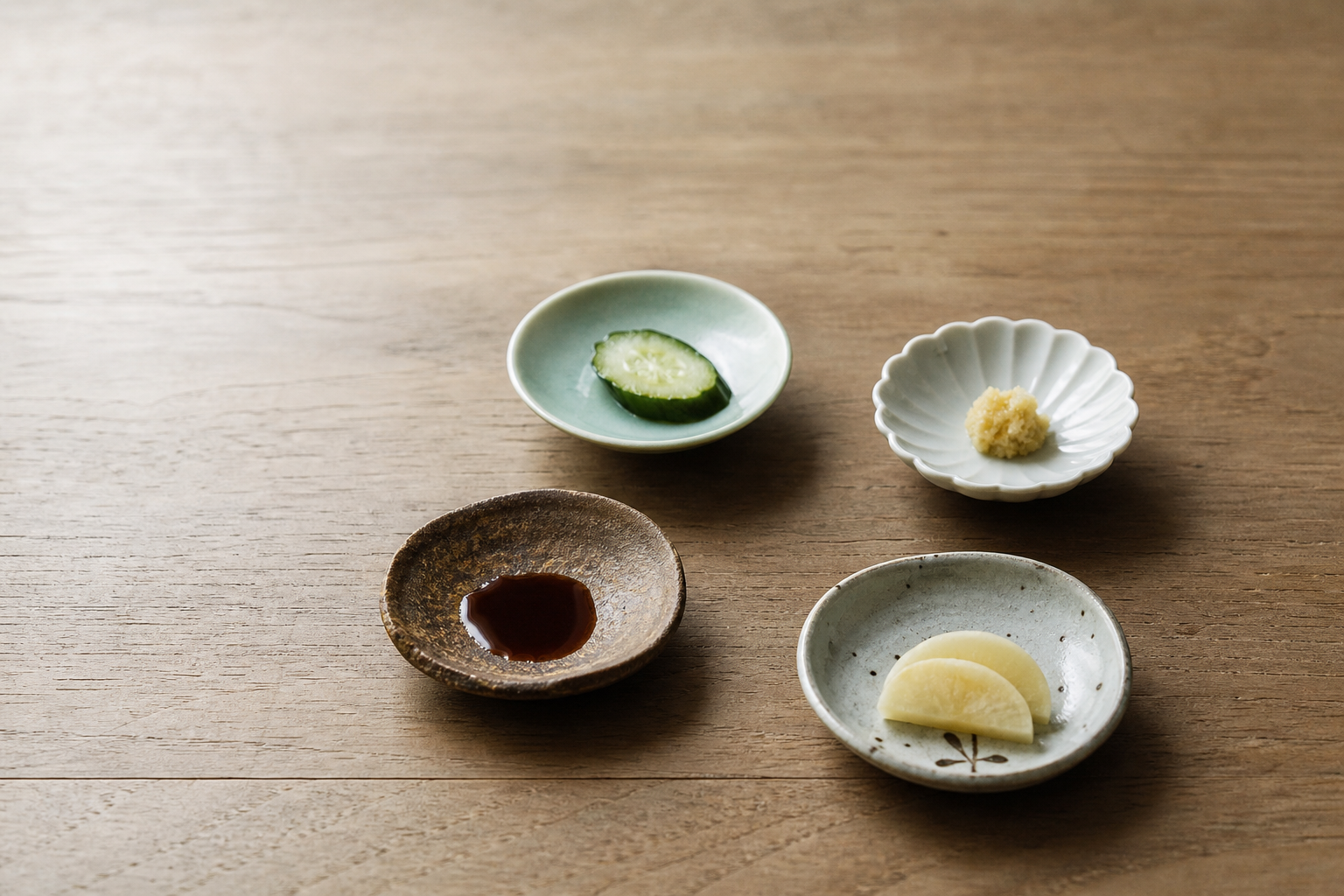
What Is Mamezara? The Tiny Plate in Japanese Dining
Mamezara are the smallest plates in Japanese dining. At 7 to 10 cm across, each one is made to hold a single thing precisely.
What Is Mamezara? The Tiny Plate in Japanese Dining Read Post »
Mamezara are the smallest plates in Japanese dining. At 7 to 10 cm across, each one is made to hold a single thing precisely.
What Is Mamezara? The Tiny Plate in Japanese Dining Read Post »
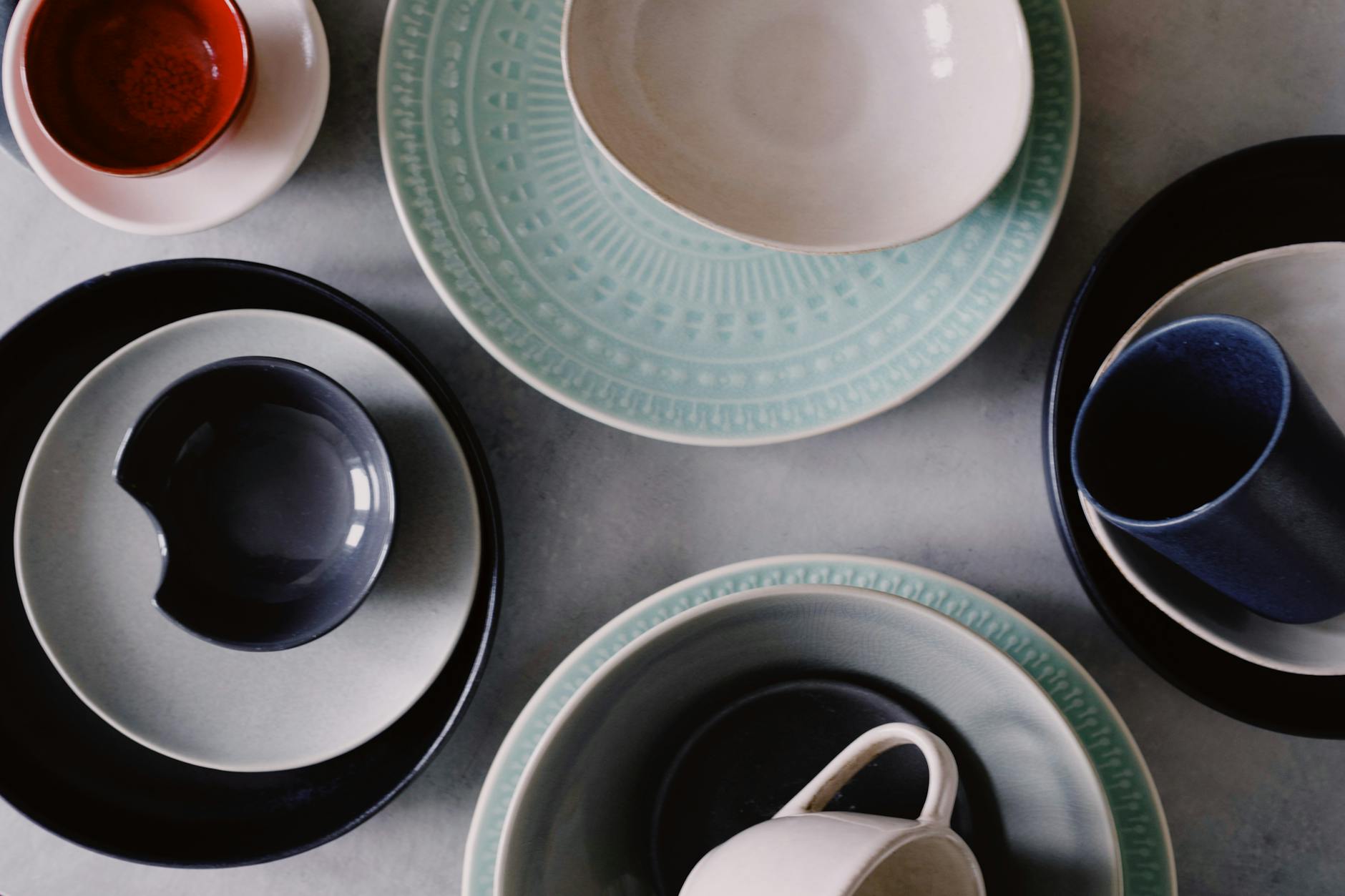
Japanese tableware is part of the meal itself. Utsuwa, the vessel, is chosen for its material, shape, weight, and season as much as for its size.
Japanese Tableware and the Vessel That Shapes the Meal Read Post »
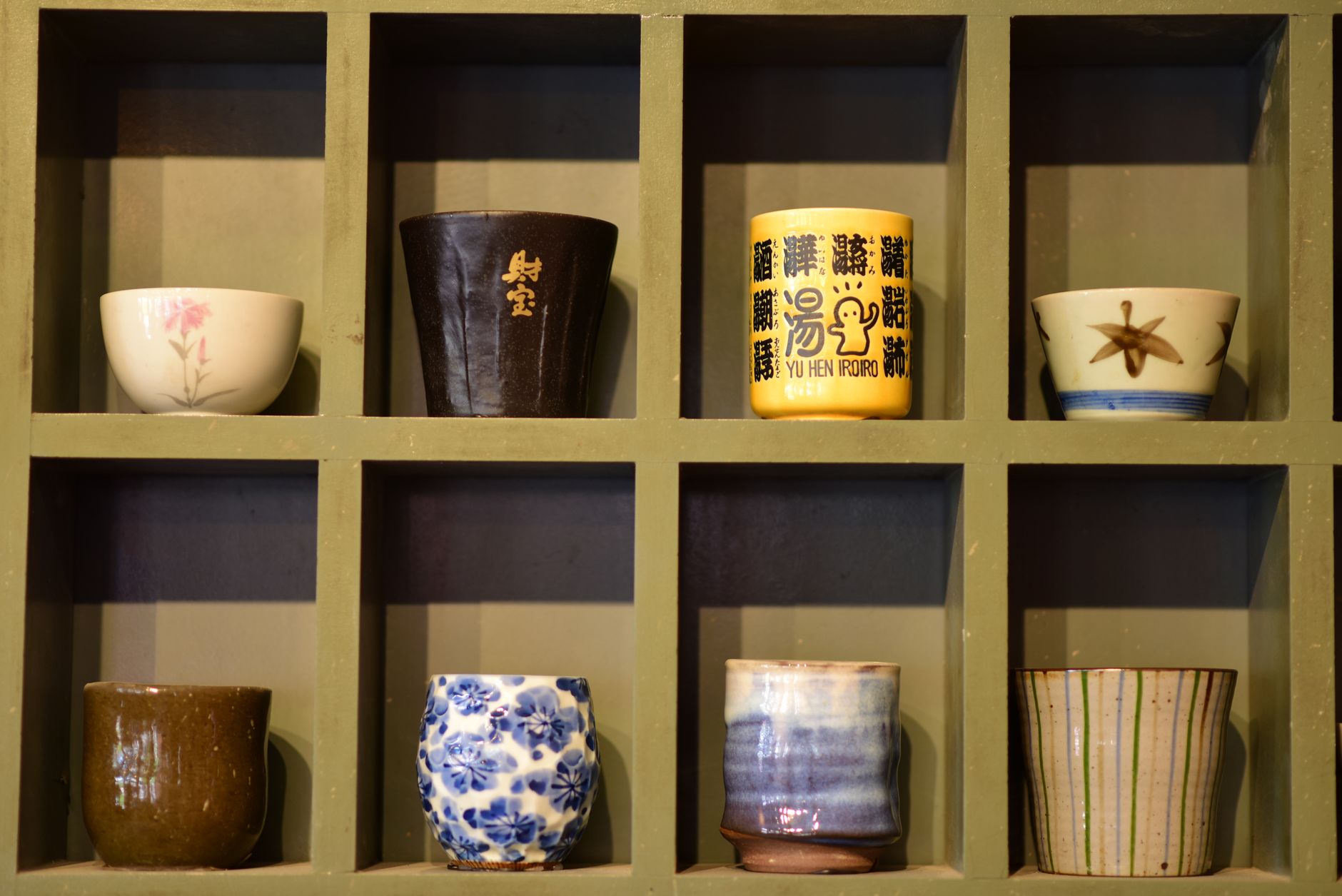
Yakimono is not one thing. It is the accumulated result of thousands of years of regional variation, each style inseparable from its soil, its climate, and its particular understanding of beauty.
Japanese Pottery History and the Six Ancient Kilns Read Post »
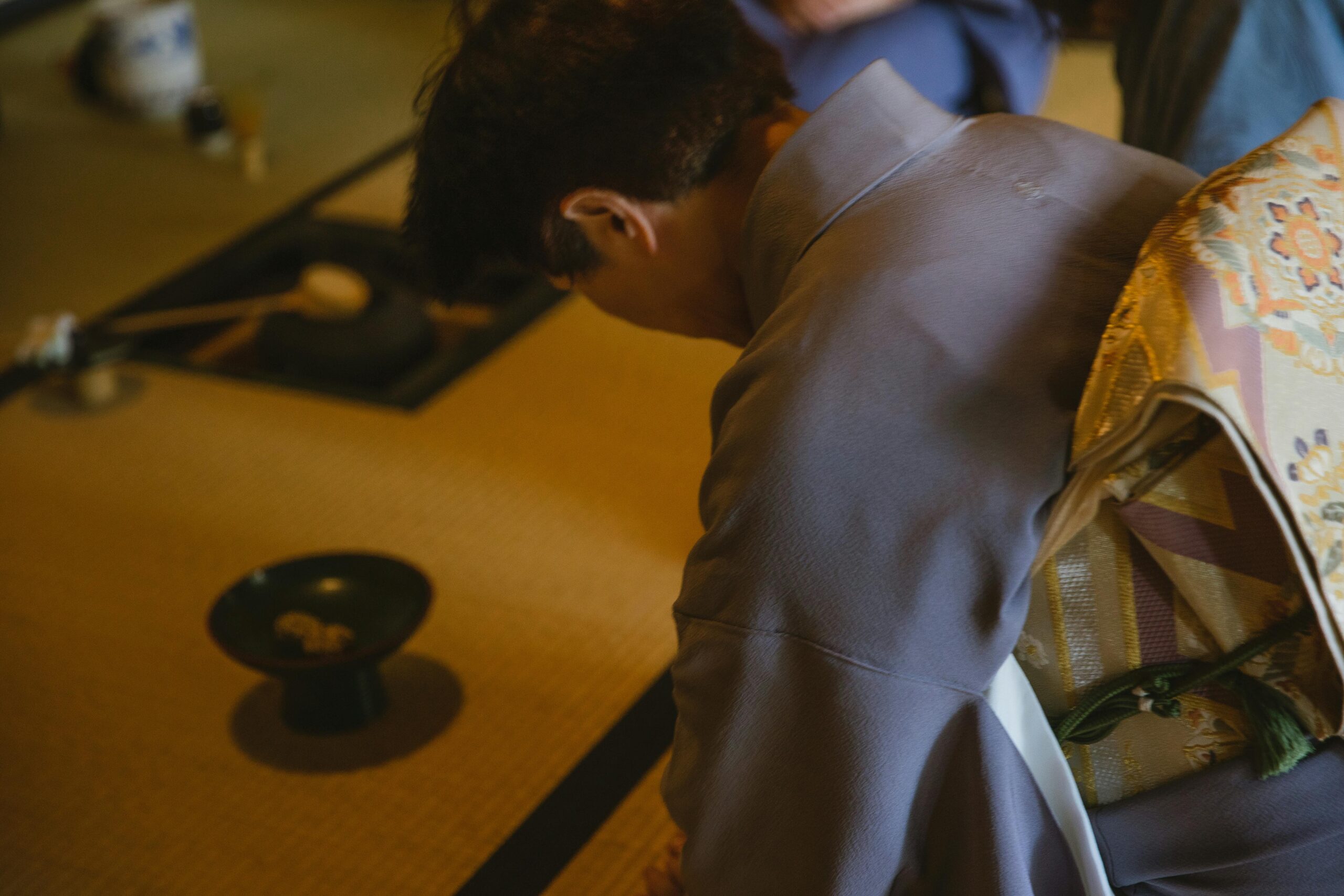
Do (道) is not a road. In Japanese culture, it is a structured path of practice, one that transforms a skill into a way of living, whether in the tearoom, the dojo, or the craftsman’s workshop.
What Is Do in Japanese Culture? The Meaning of the Way Read Post »
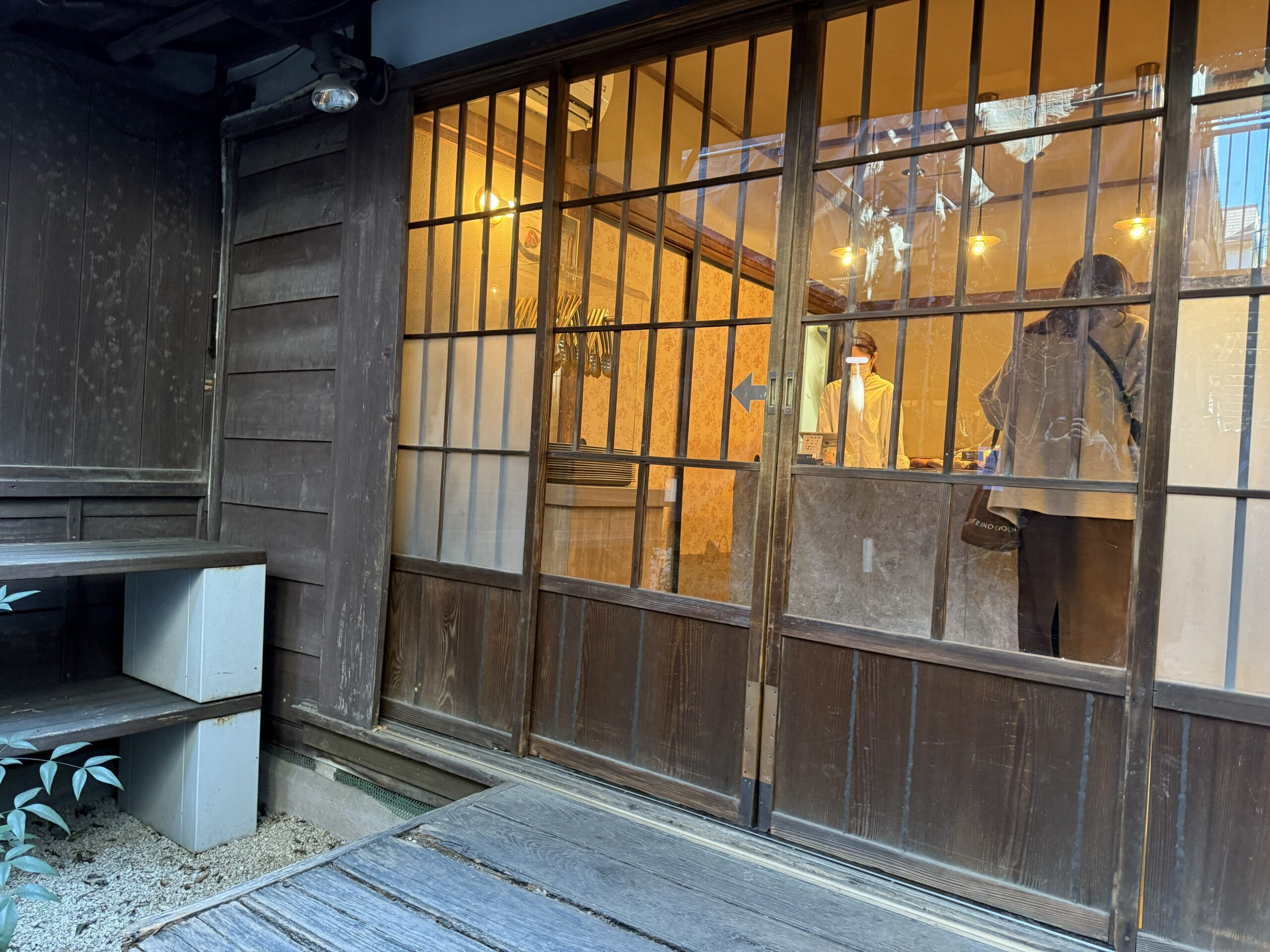
Three craft bakeries in Yanaka stand out: not for their queues, but for the way each shop inhabits its space. Old buildings, specific bread, and no reason to rush.
Three Yanaka Bakeries Worth the Walk Without a Queue Read Post »
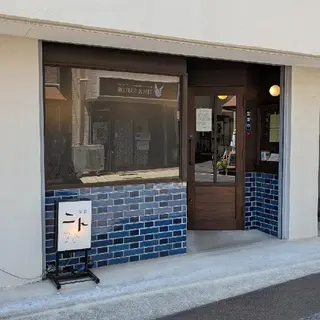
Some cafés invite you to sit quietly. These two require it. Kissa Nito and Amane Saryo are tucked into the back streets of Yanaka: old buildings, careful drinks, and rooms that feel earned.
Yanaka’s Retro Cafes Where Quiet Is the Whole Point Read Post »
One place closes its best dish at 9:10 am. The other takes twenty minutes to cook a pancake properly. Two spots near Ueno that reward arriving unhurried.
Ueno Cafe Tokyo Mornings That Reward Arriving Early Read Post »
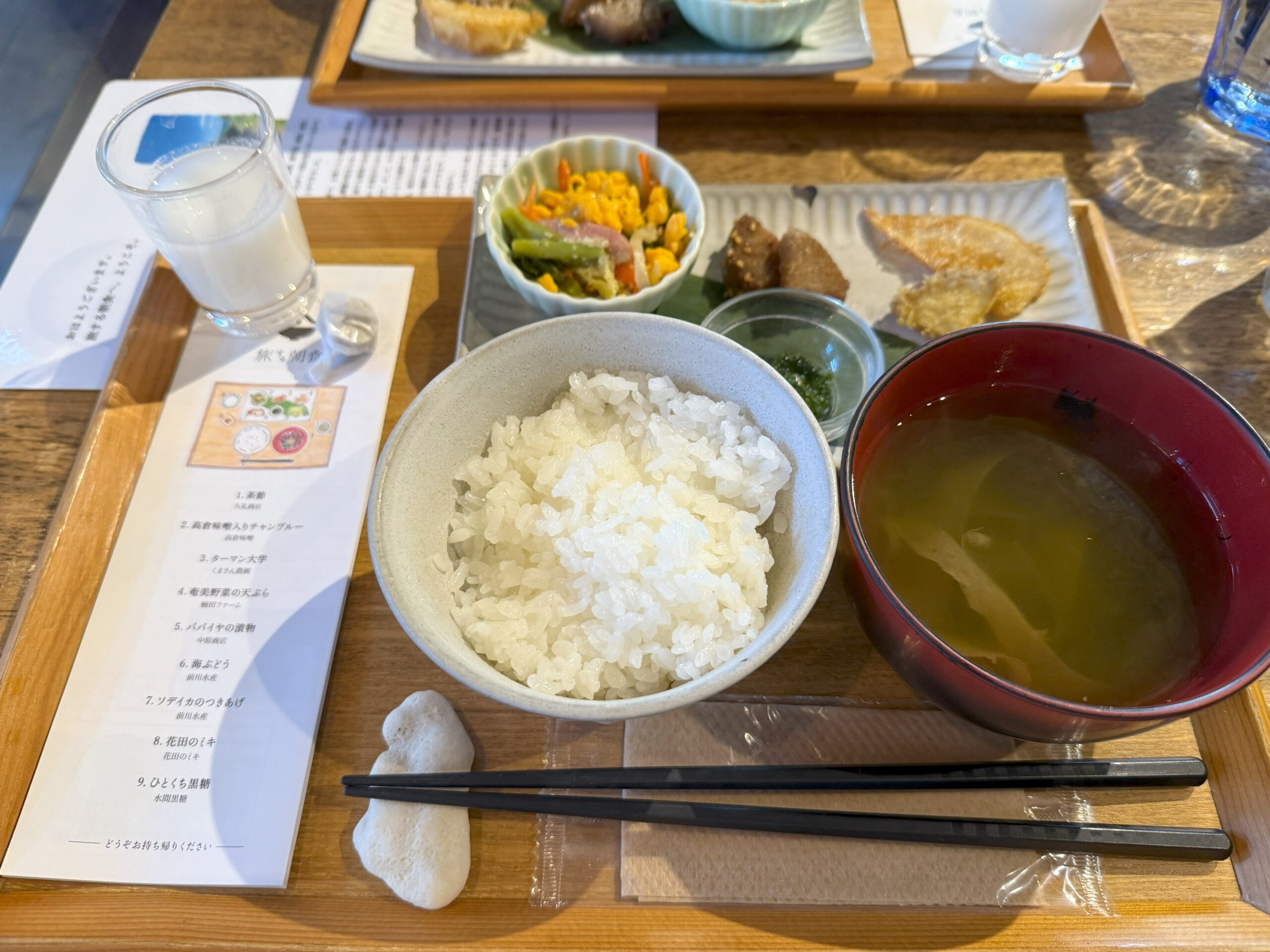
Two stops, one neighborhood rhythm: Hagiso for a slow morning in an old wooden building, Himitsudo for kakigori made with natural ice from the mountains.
Two Stops in Yanaka Most Tokyo Visitors Never Make Read Post »
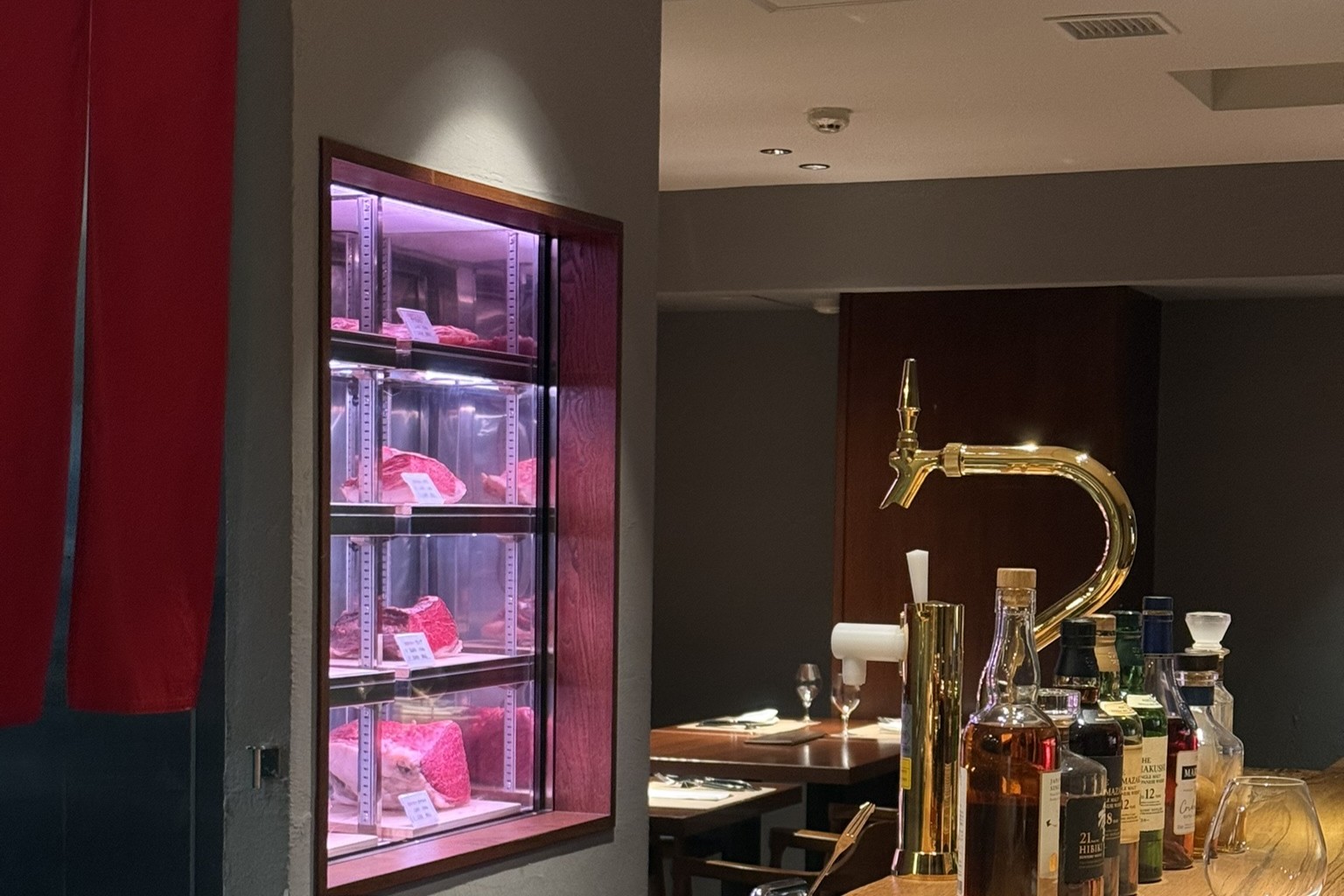
At Nakasei in Nakameguro, the beef has been aging for two months before it reaches your table, and the cow’s lineage is on paper if you want to see it. A guide to what the restaurant is, what it does, and how to visit.
Nakasei Nakameguro Aged Wagyu and the Bloodline Certificate Read Post »
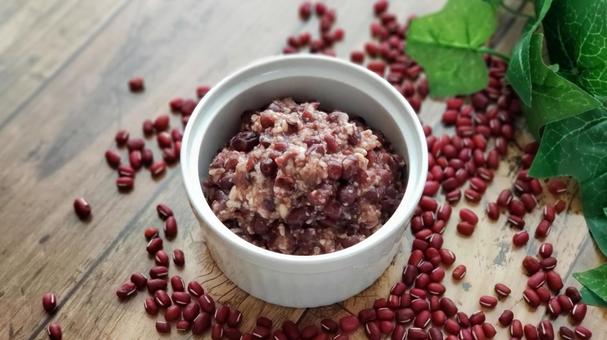
Fermented anko uses rice koji to transform cooked azuki beans into something sweet without any added sugar. It is part of a fermentation tradition that runs through miso, soy sauce, and sake, and it tastes different from the anko you know.
The Japanese Fermentation That Makes Anko Without Sugar Read Post »