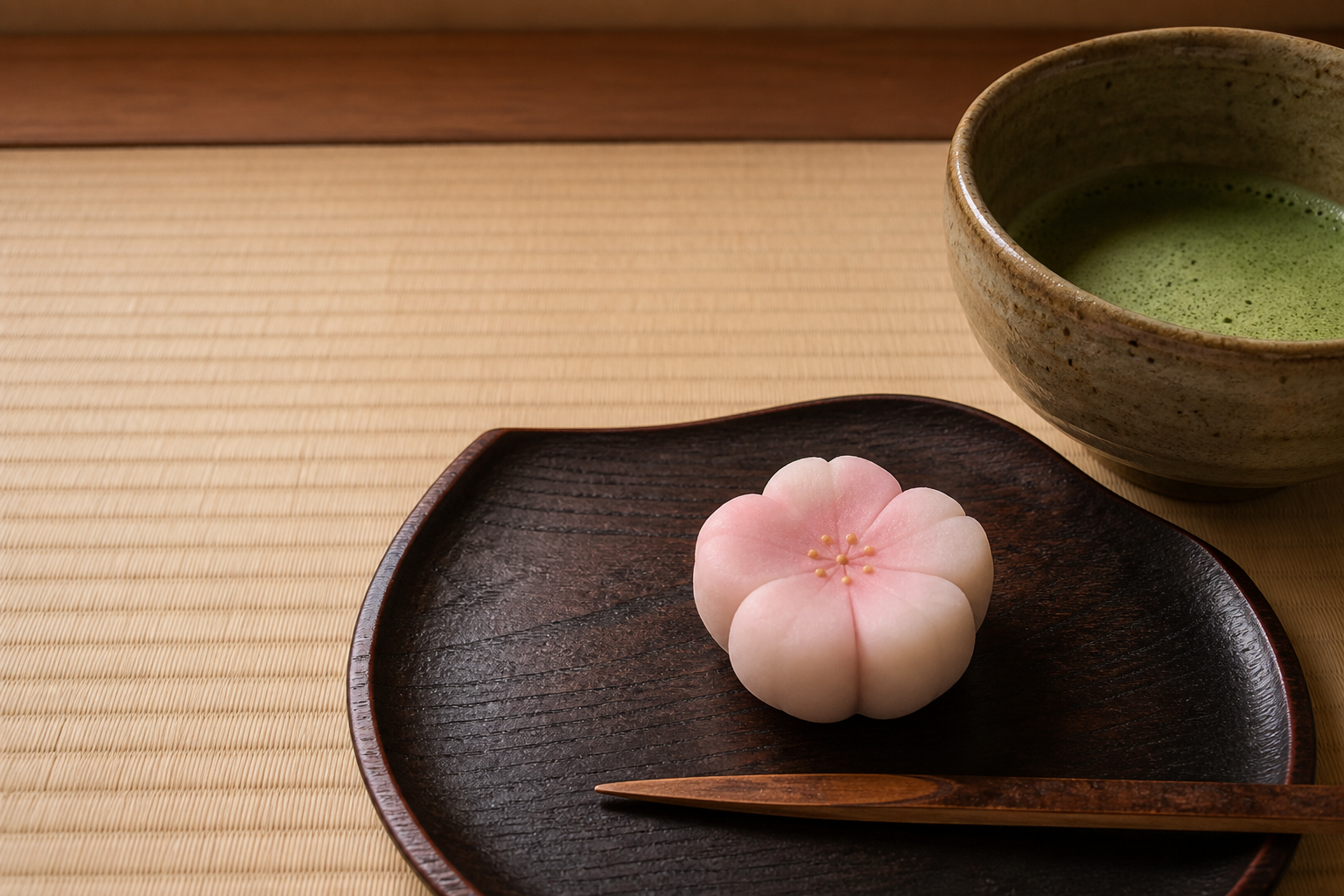
There is a particular quality to Yanaka (谷中) in the early morning. The streets are narrow enough that two people cannot walk side by side without adjusting. The wooden buildings have been there for decades. A cat crosses the lane without hurrying. This Yanaka cafe Tokyo walk pairs two shops that share that same unhurried quality: HAGI CAFE at Hagiso, where morning runs until 10:30 and the building itself sets the pace, and Himitsudo (ひみつ堂), where kakigori (かき氷, Japanese shaved ice) made with natural mountain ice is worth building a morning around. — La
There is a particular quality to Yanaka (谷中) in the early morning. The streets are narrow enough that two people cannot walk side by side without adjusting. The wooden buildings have been there for decades. A cat crosses the lane without hurrying.
This Yanaka cafe Tokyo walk pairs two shops that share that same unhurried quality: HAGI CAFE at Hagiso, where morning runs until 10:30 and the building itself sets the pace, and Himitsudo (ひみつ堂), where kakigori (かき氷, Japanese shaved ice) made with natural mountain ice is worth building a morning around.
—
Yanaka: Where Old Tokyo Held On
Large parts of Tokyo were rebuilt after the Second World War. What followed was modern and efficient, and much of the older city fabric was replaced in the process. Parts of Yanaka held on. The wooden storefronts, the temples pressed against residential lanes, the sense that the street itself has a memory. The neighborhood is not a preserved exhibit. People live here, run businesses here, and the pace is its own kind of ordinary. But it is a different ordinary from the rest of central Tokyo.
Yanaka is part of a cluster known as Yanesen, a loose name for three adjacent neighborhoods: Yanaka, Nezu (根津), and Sendagi (千駄木). They share what the Japanese call shitamachi (下町), a word that originally described the lower part of the city where tradespeople and craftspeople lived. The sensibility today is practical, unself-conscious, and slow to change.
—
Hagiso: Morning in a Reinvented Space
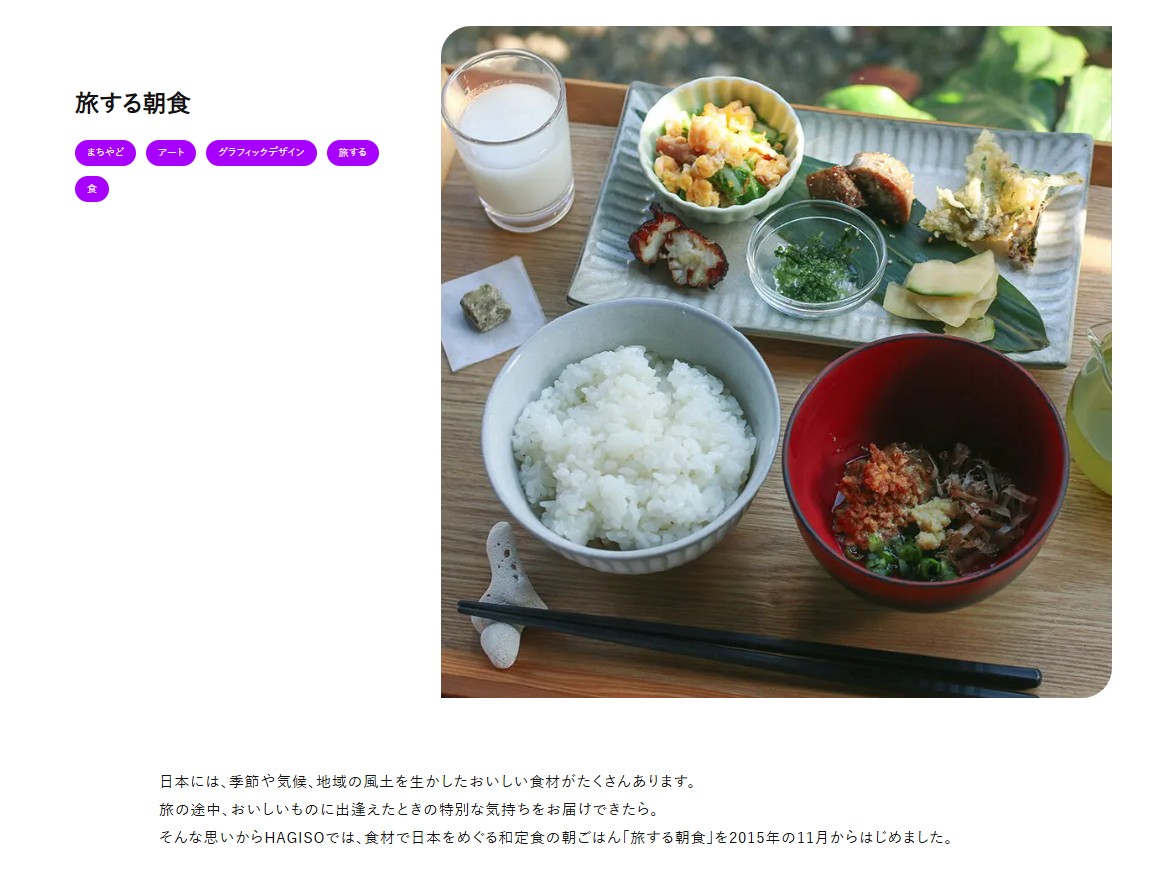
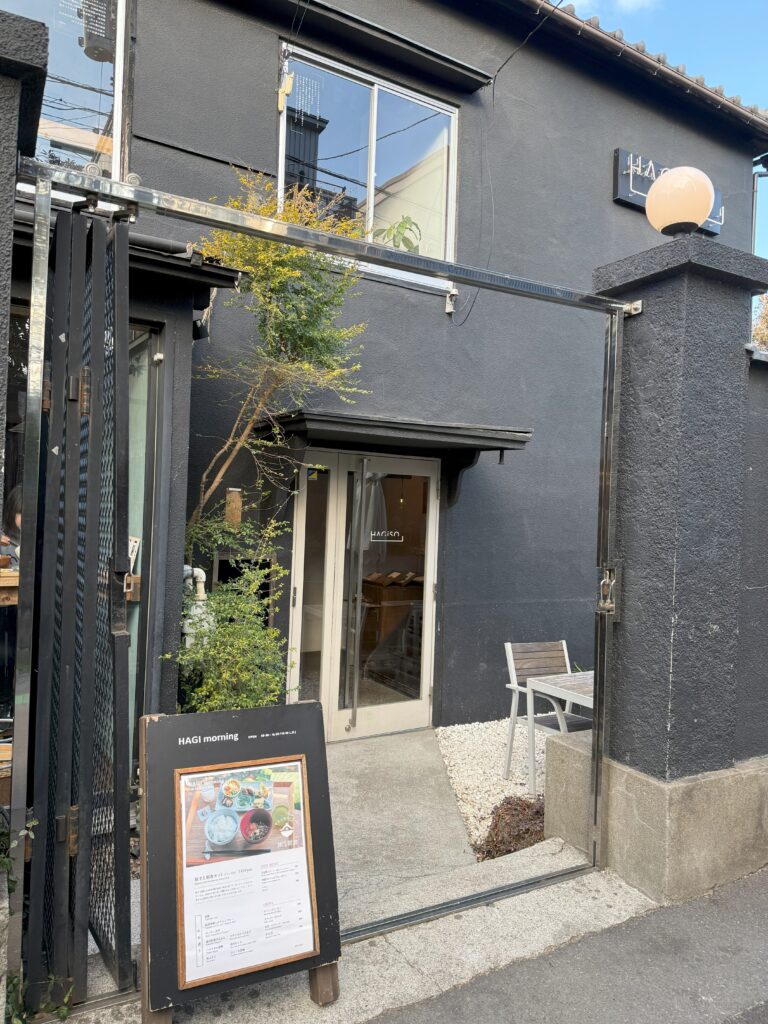
HAGI CAFE sits on the ground floor of a wooden apartment building that was, at some point, scheduled for demolition. The building was constructed in the late 1950s. When it was emptied of tenants, the architects and creative collective HAGI STUDIO converted it into what they call a “minimum cultural complex facility”: a cafe on the ground floor, a gallery, a boutique, and upstairs, the reception for a small hotel whose rooms are distributed through the surrounding neighborhood.
The building is called Hagiso. The cafe is HAGI CAFE. The difference matters because what you are entering is a building with a second life, the original wooden structure kept and a new purpose built inside it. Yanaka has a quiet habit of doing this, of adapting old buildings rather than replacing them. Hagiso is one of the more deliberate examples.
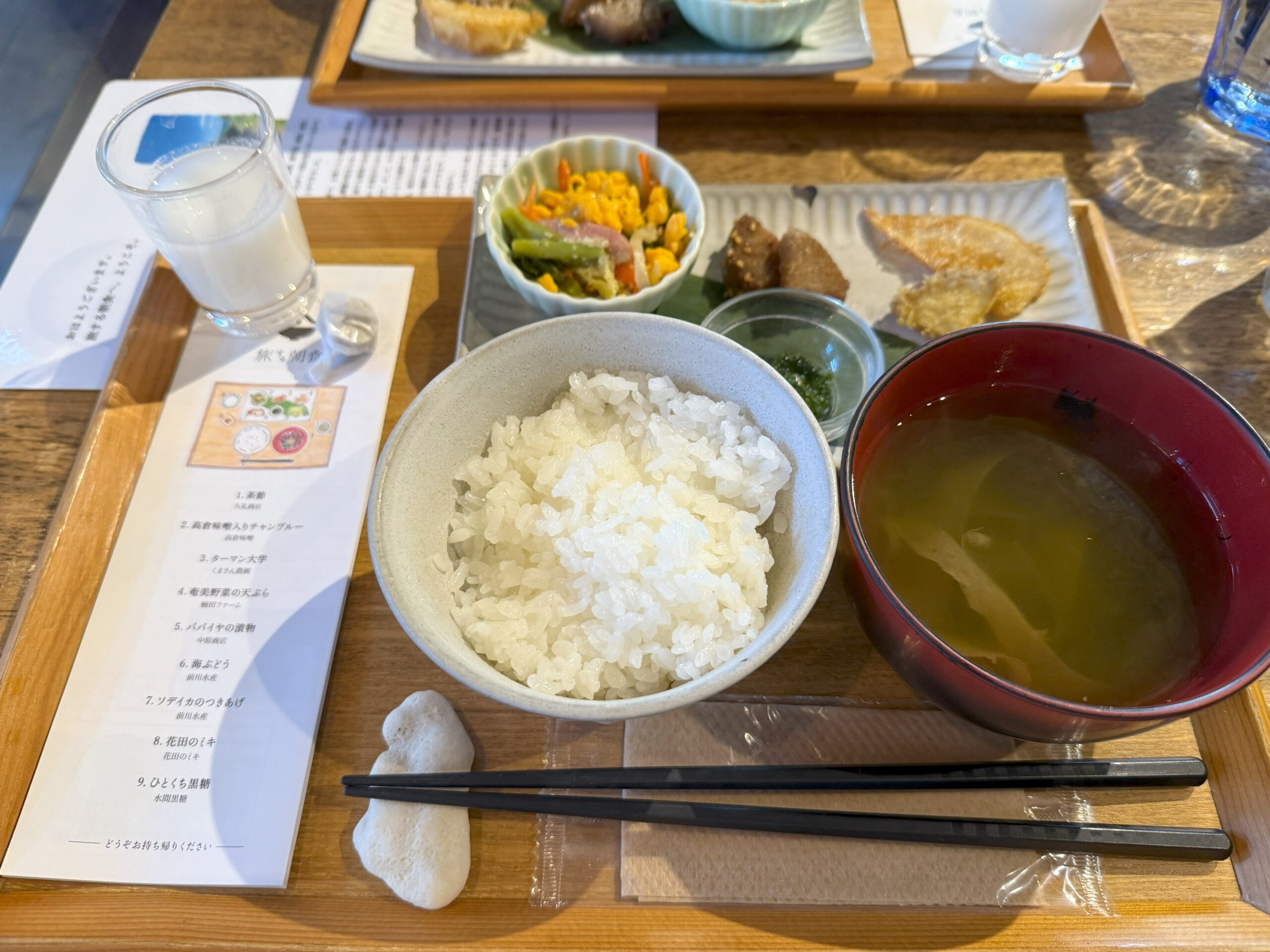
Morning at HAGI CAFE runs from 8:00 to 10:30, every day. Reservations are not accepted for morning. The policy is walk-in, which means arriving early is the most reliable approach. The food is built around seasonal ingredients sourced from the neighborhood’s own vendors. Handdrip coffee, small plates, the kind of breakfast that is designed to take time rather than fill a gap.
What makes this particular Yanaka cafe worth choosing is not a single dish but the quality of the room. A wooden building from the late 1950s holds light differently from a concrete interior. The pace of service matches the space.
Address: 3-10-25 Yanaka, Taito-ku, Tokyo. For lunch and dinner, reservations can be made through the Hagiso website via TableCheck; hours vary by day. Morning remains walk-in only.
For more on the cafe culture that shaped neighborhoods like Yanaka, the article on Japan’s kissa culture explores what the Japanese coffee shop has meant, and continues to mean, as a way of spending time.
—
What Is Kakigori? Japan’s Art of Shaved Ice

Kakigori (かき氷) is Japan’s traditional shaved ice. The practice goes back to at least the Heian period (794-1185). Sei Shonagon, the court writer whose Pillow Book is one of the earliest surviving works of Japanese prose, listed shaved ice with sweet syrup among things she found delightful. In the 11th century, ice was available only to the aristocracy. Today it is available to anyone willing to wait in line in Yanaka.
The version sold at most convenience stores uses machine-made ice, shaved quickly into coarse crystals that melt fast. Natural ice (天然氷, tennen-gori) comes from a different process. It is harvested in winter from carefully managed ponds, typically in mountain areas. In Nikko, in Tochigi Prefecture, traditional ice houses still follow these methods: the ponds are filled with clean water, allowed to freeze slowly over weeks, and the resulting ice is cut and stored until needed. The slow freezing produces a denser, more uniform crystal structure. When shaved, the result is closer to fine snow than to crushed ice. It is lighter and dissolves rather than crunches.
Kakigori made with natural ice and syrups from whole fruit is a different experience from the festival version. The texture matters, and so does the pace. The best kakigori shops are not hurried places.
—
Himitsudo: The Ice Worth Waiting For
Himitsudo is a few minutes’ walk from Hagiso, deeper into the Yanaka lanes. The shop sits on a residential corner and is easy to walk past. There is no large sign. A queue, when one forms, tells you something is happening.
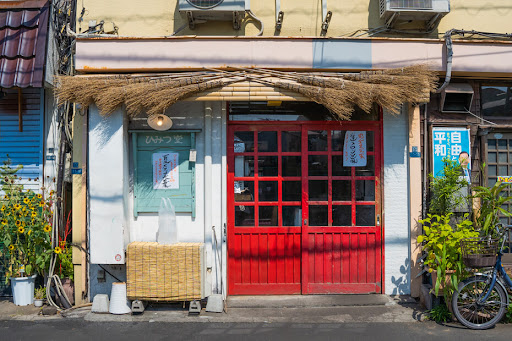
The ice comes from Nikko, from the natural ice tradition described above. The syrups are made from whole fruit bought from local vendors, mixed and cooked in-house. The menu changes with the weeks, reflecting what is ripe rather than what is available year-round.
Himitsudo is open year-round, which surprises visitors who assume kakigori belongs only to summer. The shop’s peak summer period runs roughly from mid-July through September 1, when it operates every day from 8:00 to 19:00. Queues during this period can reach an hour or more on weekends. Weekday mornings, close to opening time, are shorter. In winter, the shop adds hot gratin to the menu alongside kakigori.
The queue in summer is a practical reality that shapes how the visit feels. Standing in a Yanaka lane, watching the neighborhood move around you, is not a bad way to spend the wait. The cats, the sound from the nearby temple, the occasional delivery bicycle passing through.
The patience the shop requires is part of the same instinct Yanaka runs on. For a broader look at that sensibility, the article on the Japanese aesthetic of subtraction covers the practice of doing less as a way of paying closer attention.
Address: 3-11-18 Yanaka, Taito-ku, Tokyo. Hours vary by season and day. Check Himitsudo’s official X account before visiting for current information.
—
The Rhythm of a Yanaka Day
The walk from Hagiso to Himitsudo takes about five minutes. Between them: a stretch of shotengai (商店街, old shopping street), the edge of Yanaka Cemetery, and the small shrines that appear at the end of residential lanes.
A practical note: HAGI CAFE morning runs until 10:30. Himitsudo opens at 9:00 on weekdays and 8:00 on weekends, and fills up quickly in summer. Arriving at Hagiso close to 8:00 and walking to Himitsudo around 9:30 covers both before the neighborhood becomes crowded.
Nippori Station on the JR Yamanote Line is the closest access point, with Yanaka about ten minutes on foot. Neither shop is where you would end up by accident. Getting to this Yanaka cafe Tokyo corner requires choosing to go.
On a clear morning, early, walking from one old building to another through lanes that have stayed narrow on purpose, that choice turns out to be a simple one to make. If you want to go deeper into what the neighborhood offers after these two stops, the article on quiet cafes in the Yanaka area covers two more spaces worth an afternoon.
—
FAQ
Is Himitsudo open year-round? Yes. Kakigori is served in all seasons. The peak summer period (roughly mid-July through September 1, Himitsudo’s own term for this is “maka period”) runs daily from 8:00 to 19:00. In winter, the menu adds hot gratin alongside kakigori. Hours vary throughout the year. Check Himitsudo’s official X account before visiting.
Do I need a reservation for Hagiso morning? No. Morning (8:00 to 10:30) is walk-in only. Reservations are not accepted for morning. For lunch and dinner, reservations can be made through the Hagiso website via TableCheck; hours vary by day.
How long is the queue at Himitsudo? In peak summer, weekend queues can reach an hour or more. Weekday mornings, close to opening time, are shorter. Arriving when the shop opens is the most reliable approach.
Is Yanaka worth visiting outside summer? Yes. Both Hagiso and Himitsudo are open year-round. The neighborhood is quieter outside peak tourist periods. Yanaka Cemetery in autumn, when the leaves change along the central path, is one of the better walks in central Tokyo.
Is Hagiso only a cafe? No. The ground floor has HAGI CAFE and HAGI ART gallery. Upstairs is the reception for hanare, a small hotel with rooms distributed through the surrounding neighborhood. The gallery can be visited without ordering.
How do I get to Yanaka? Nippori Station (JR Yamanote Line, Keisei Line) is the closest major station, about ten minutes on foot from the Yanaka lanes. Yanaka-Ginza, the main shopping street, is a useful landmark for orientation.