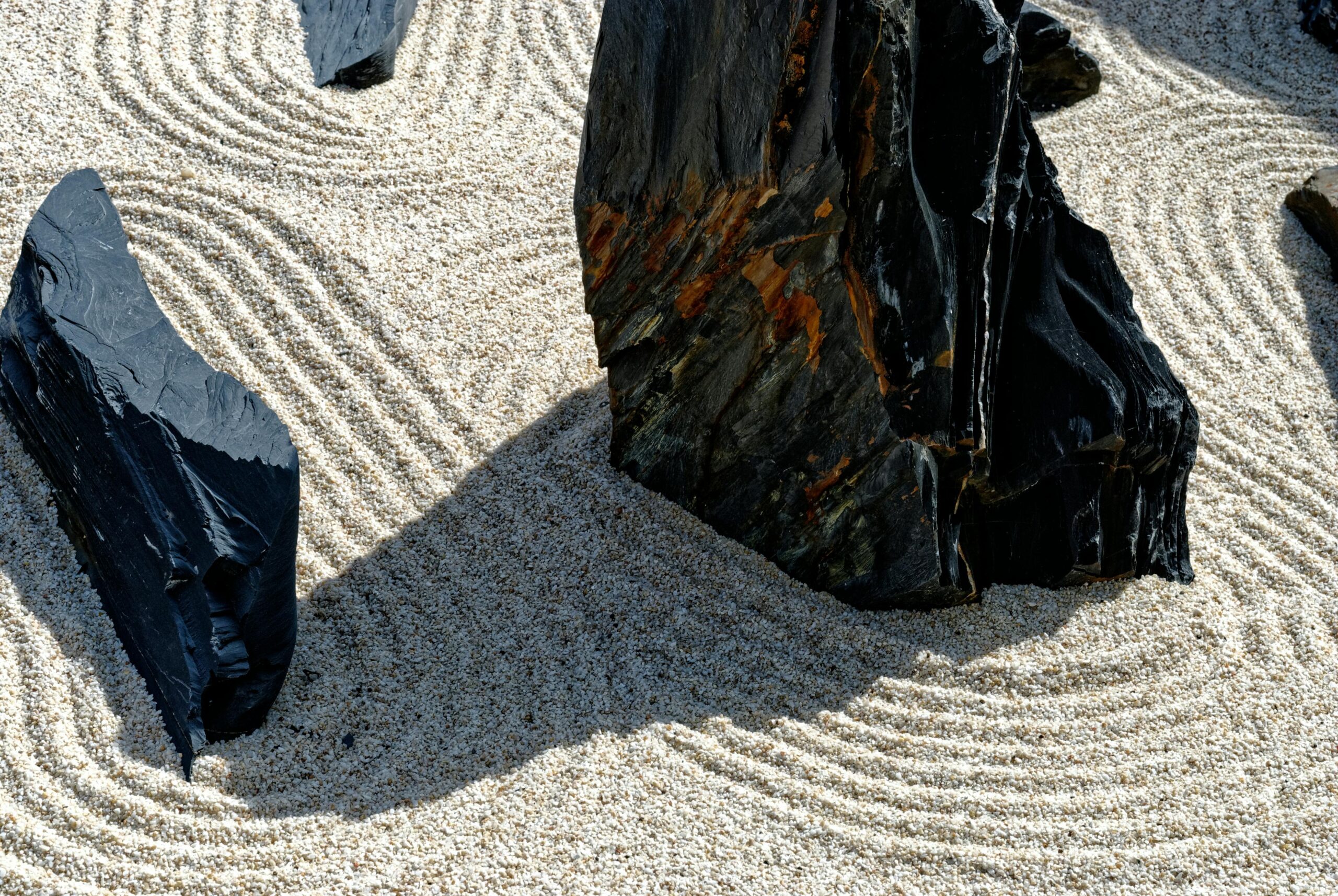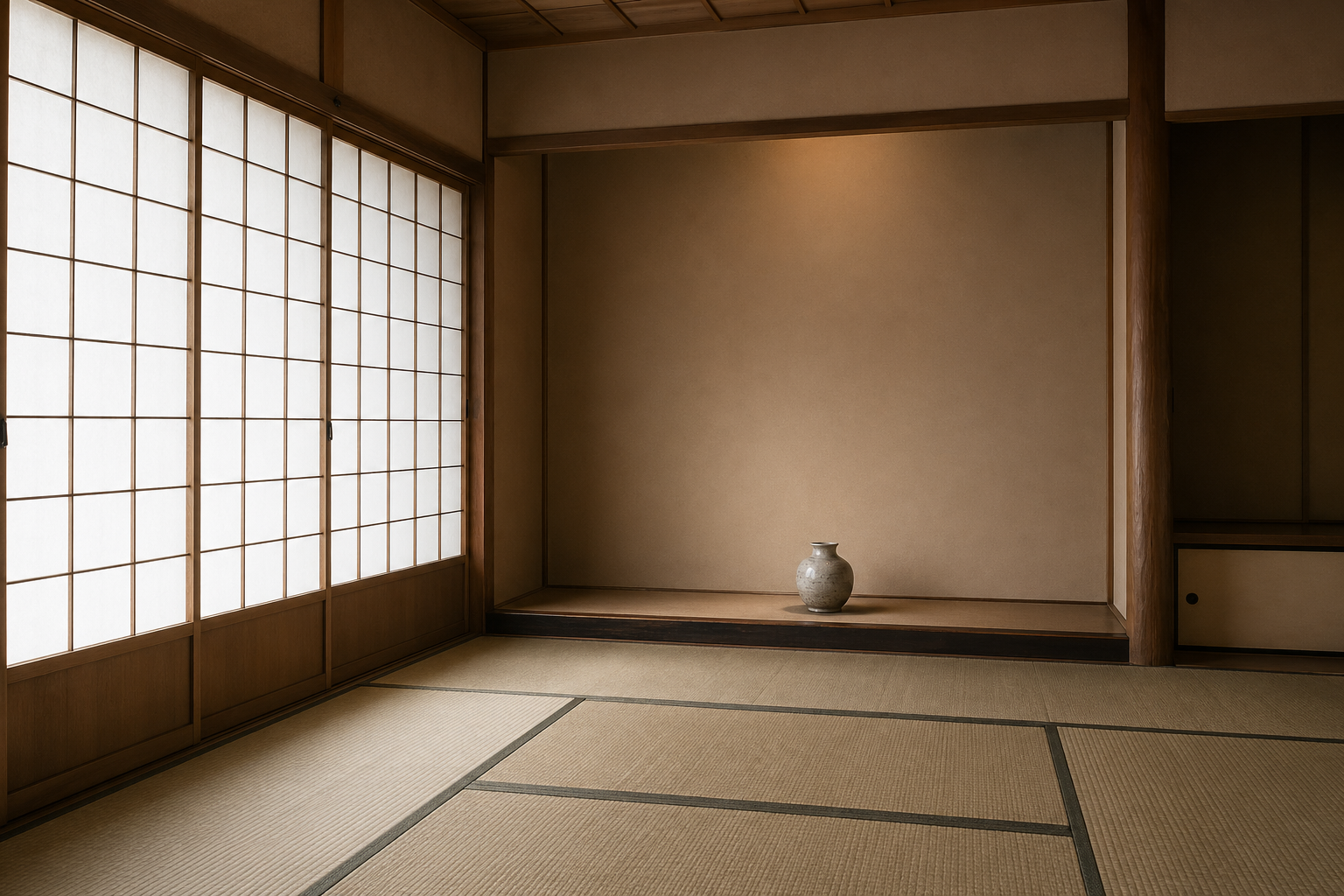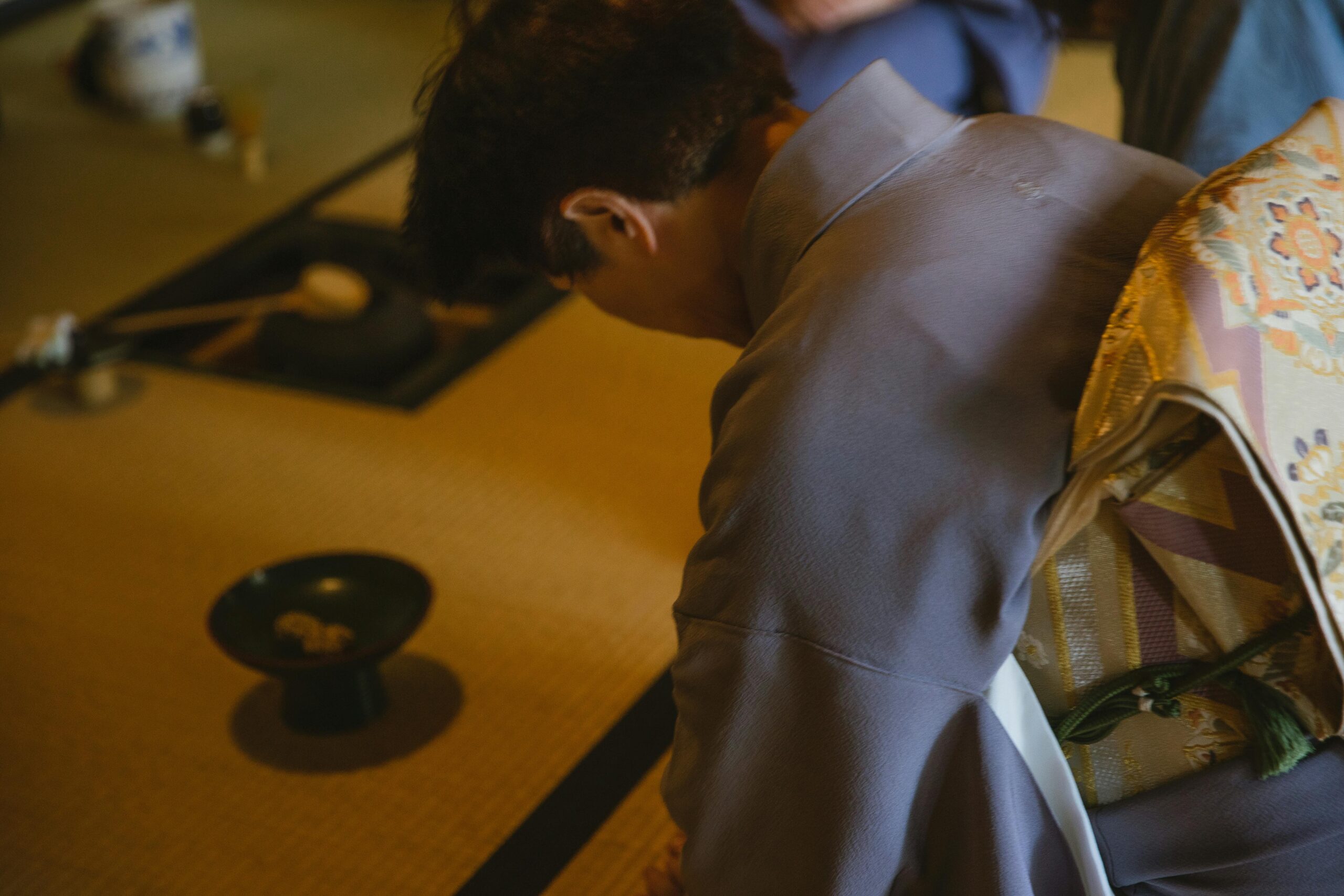
If you have spent any time with Japanese cultural terms, you have likely encountered the suffix do. Chado, the way of tea. Kado, the way of flowers. Kendo, the way of the sword. Aikido, judo, karate-do. The character behind all of them is 道, read as do or michi depending on context. Literally, it means road or path. But in Japanese cultural practice, it means something more specific: a structured, lifelong discipline in which the act of practice is itself the point. –
If you have spent any time with Japanese cultural terms, you have likely encountered the suffix do. Chado, the way of tea. Kado, the way of flowers. Kendo, the way of the sword. Aikido, judo, karate-do.
The character behind all of them is 道, read as do or michi depending on context. Literally, it means road or path. But in Japanese cultural practice, it means something more specific: a structured, lifelong discipline in which the act of practice is itself the point.
—
What Is Do in Japanese Culture?
Do (道) in Japanese culture refers to a path of disciplined practice that is followed not for the sake of reaching an endpoint, but as a continuous form of self-cultivation. A practitioner of chado is not working toward the day when they have “mastered” tea. They are practicing, daily or weekly, in the understanding that the practice has no final destination.
In many skill-based traditions, the goal is proficiency followed by application, with practice as a means to an end. In a do, the repetition is not preparation for something else. It is the thing itself.
The concept is often discussed in relation to Chinese philosophical thought (particularly Taoism and its idea of dao, or the natural way of things) and Zen Buddhism, which are generally understood to have influenced the structure of formal arts and martial disciplines in Japan over several centuries. The Agency for Cultural Affairs oversees many of these traditional art forms. You can read more about Zen and its influence on Japanese culture in a separate article.
—
The Three Major Paths: Chado, Kado, and Budo
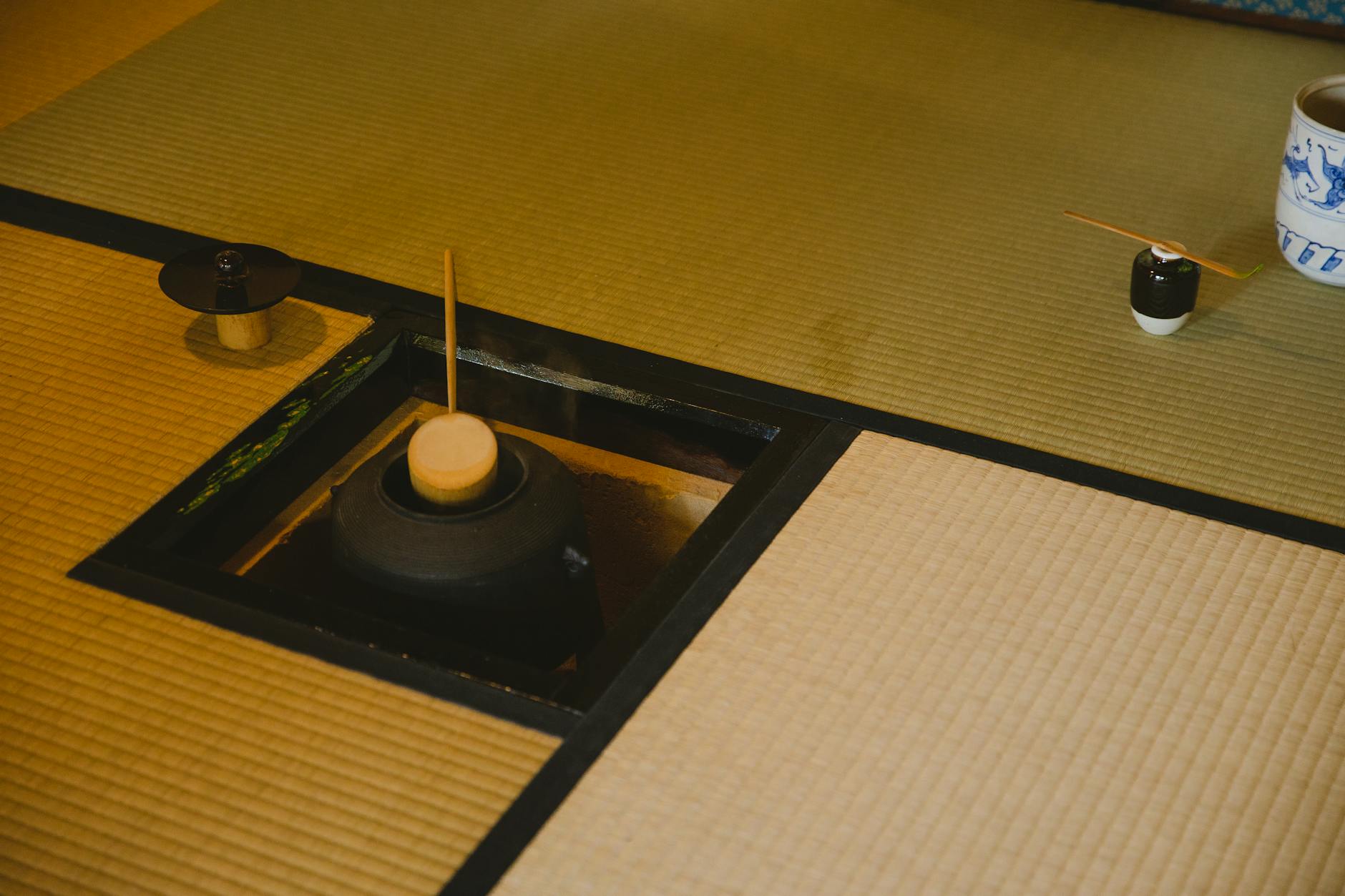
Three of the most widely practiced and recognized do disciplines in Japan are chado, kado, and budo.
Chado (茶道), the way of tea, is perhaps the most elaborated formal system. A full tea ceremony involves specific movements for carrying the tea bowl, the posture of sitting in seiza, the way of wiping the utensils, and the angle at which a scroll is hung in the tokonoma alcove. Each element has a prescribed form. The practitioner learns these forms through repetition, under the guidance of a teacher, over years.
The Urasenke and Omotesenke schools, both based in Kyoto and tracing their lineage to the sixteenth-century tea master Sen no Rikyu, remain the main institutional holders of chado today. New practitioners typically study for five or more years before receiving any form of certification. Many study for decades.
The tea ceremony is also inseparable from wagashi, the seasonal Japanese sweets that accompany matcha. Wagashi and the seasons explores how these sweets carry their own cultural weight within the tea tradition.
Kado (華道), the way of flowers, is the formal practice of flower arrangement. Also known as ikebana, it is less commonly understood in the West as a do discipline. But ikebana schools such as Ikenobo (founded in the fifteenth century) treat the arrangement of flowers as a structured practice with its own vocabulary of forms, seasonal rules, and aesthetic principles. An arrangement in ikebana is not decorative in the way a vase of cut flowers is decorative. It is a deliberate composition of line, space, and seasonal material.
Budo (武道) refers collectively to Japanese martial arts: kendo (the way of the sword), aikido, judo, karate-do, and others. Each has its own governing body and style, but what they share is the do framework: training through kata (prescribed forms), attention to breath and posture, and a philosophy in which the physical discipline is understood as training for character as much as for combat.
—
Kata, Shugyo, and the Structure of Practice
What makes a discipline a do rather than simply a skill is its structure. Two concepts are central: kata and shugyo.
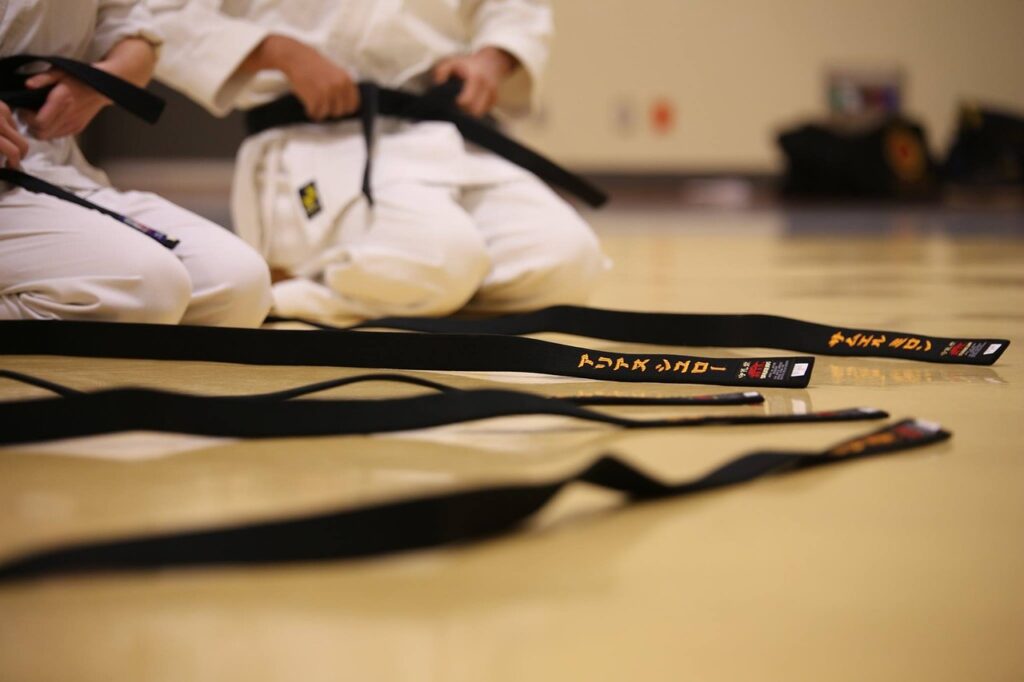
Kata (型 or 形) are prescribed forms. In kendo, a kata is a specific sequence of strikes and responses, practiced in pairs until the movements become automatic. In chado, kata describe the exact sequence of gestures for preparing and serving tea. The purpose of kata is not rote memorization for its own sake. The form carries the knowledge of teachers across generations, embodied rather than written. To deviate from the form before understanding it is considered a category error: you cannot improvise from something you have not yet learned.
Shugyo (修行) is the concept of austere training, sometimes translated as “training through hardship.” It does not necessarily mean suffering. It means the sustained, serious application of oneself to a practice over a long period, without shortcuts. A soba chef who has spent fifteen years learning to make noodles by hand, rising at five each morning to prepare the day’s dough, is engaged in a form of shugyo even outside any formally named do.
Together, kata and shugyo describe a practice structure that resists shortcuts. There is no accelerated path. This is not sentimentalism about tradition. It reflects a specific philosophy about how skill and character develop: slowly, through repetition, under good guidance.
—
Do and the Shokunin
The do framework extends beyond named disciplines into what is often called the shokunin (職人) spirit. A shokunin is a craftsperson or artisan who has dedicated themselves to a single craft, often for an entire working life.
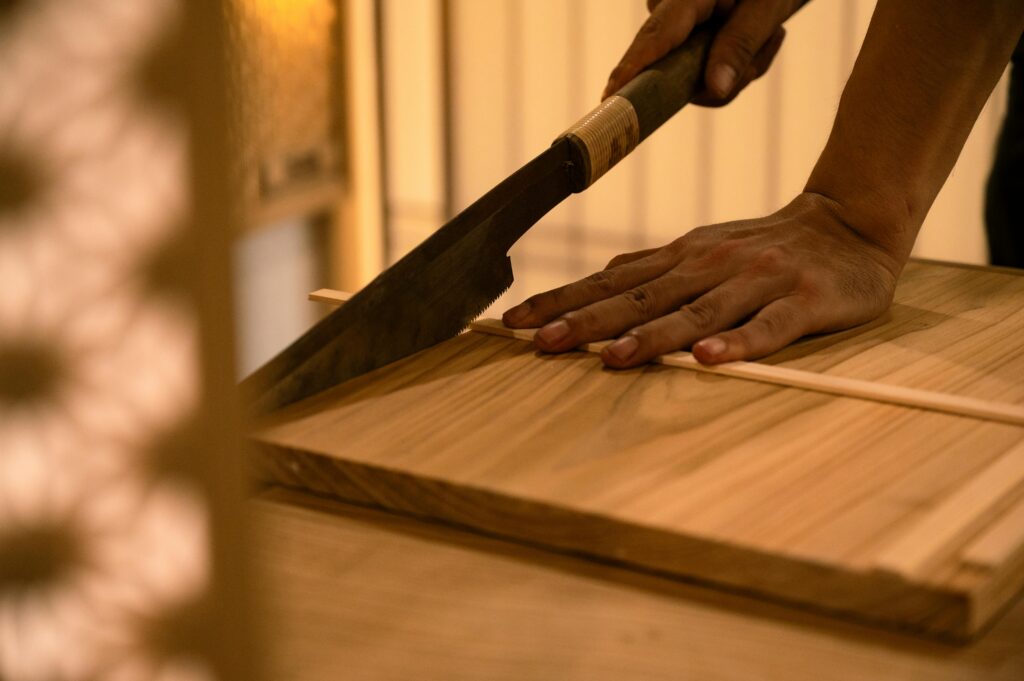
The knife-sharpener who has spent forty years on the same stone. The tofu maker who rises at three in the morning to begin the day’s preparation. The carpenter who joins wood without nails. These are not people who have merely learned a skill. They have organized their lives around its daily practice in a way that mirrors the do disciplines: repetition, precision, patience, and the understanding that the work is never fully finished.
This is a cultural pattern, not a universal law. Not everyone in Japan approaches their work this way, and the shokunin ideal has its own complications (long hours, rigid hierarchy, little space for deviation). But as a cultural value, it connects the formal arts of chado and kendo to the workshop, the kitchen, and the café where someone has been making coffee the same careful way for thirty years.
—
What Do Teaches About Japanese Aesthetics
The do framework helps explain several qualities that observers often notice in Japanese cultural production: precision, restraint, and a certain unhurriedness.
When a tea practitioner wipes the chawan (tea bowl) with a specific cloth in a specific sequence of folds, that precision is not about hygiene. It is about the quality of attention. The act is complete in itself. The same attention appears in the way a kaiseki meal is plated, the way a garden is raked, the way a piece of calligraphy is brushed.
Restraint appears in what is left out. In kado, negative space is as deliberate as the flowers themselves. In chado, silence is part of the ceremony. This connects closely to the Japanese aesthetics of subtraction, the same cultural preference for removing rather than adding that appears in wabi-sabi, ikebana, and the sparse tatami room.
These aesthetics did not emerge from the do disciplines alone. But the disciplines have helped preserve and formalize them across generations, giving them an institutional home.
—
Do in Quiet Moments
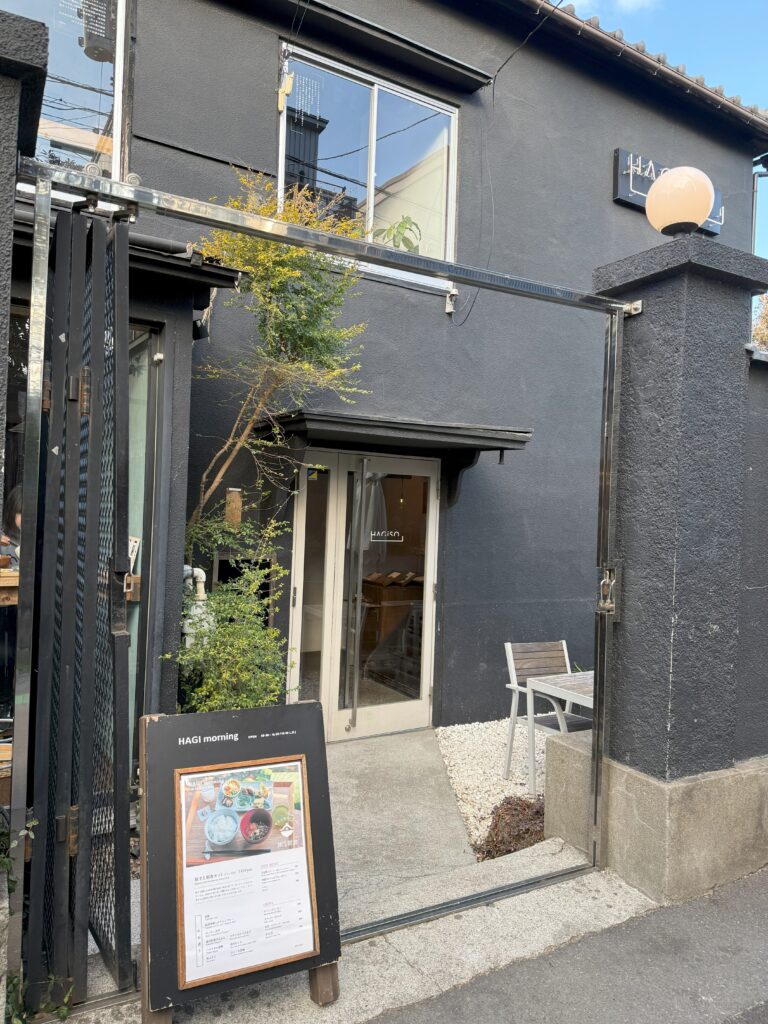
You do not need to attend a tea ceremony to encounter the do spirit. It appears in smaller forms: the barista who takes time with each pour, the soba chef who will not rush the broth, the garden caretaker who rakes the gravel in the same direction every morning.
In Japan’s older cafés, the kissa (喫茶店, traditional coffee shops dating from the early twentieth century), there is sometimes a similar quality. The owner moves unhurriedly. The coffee is made with attention. Nothing is performed for the customer’s benefit. It is simply the way the work is done, every day, as it has been done in that shop for years.
This is not nostalgia or theater. It is the do sensibility applied to ordinary life: the idea that how you do something matters, every time, even when no one is watching.