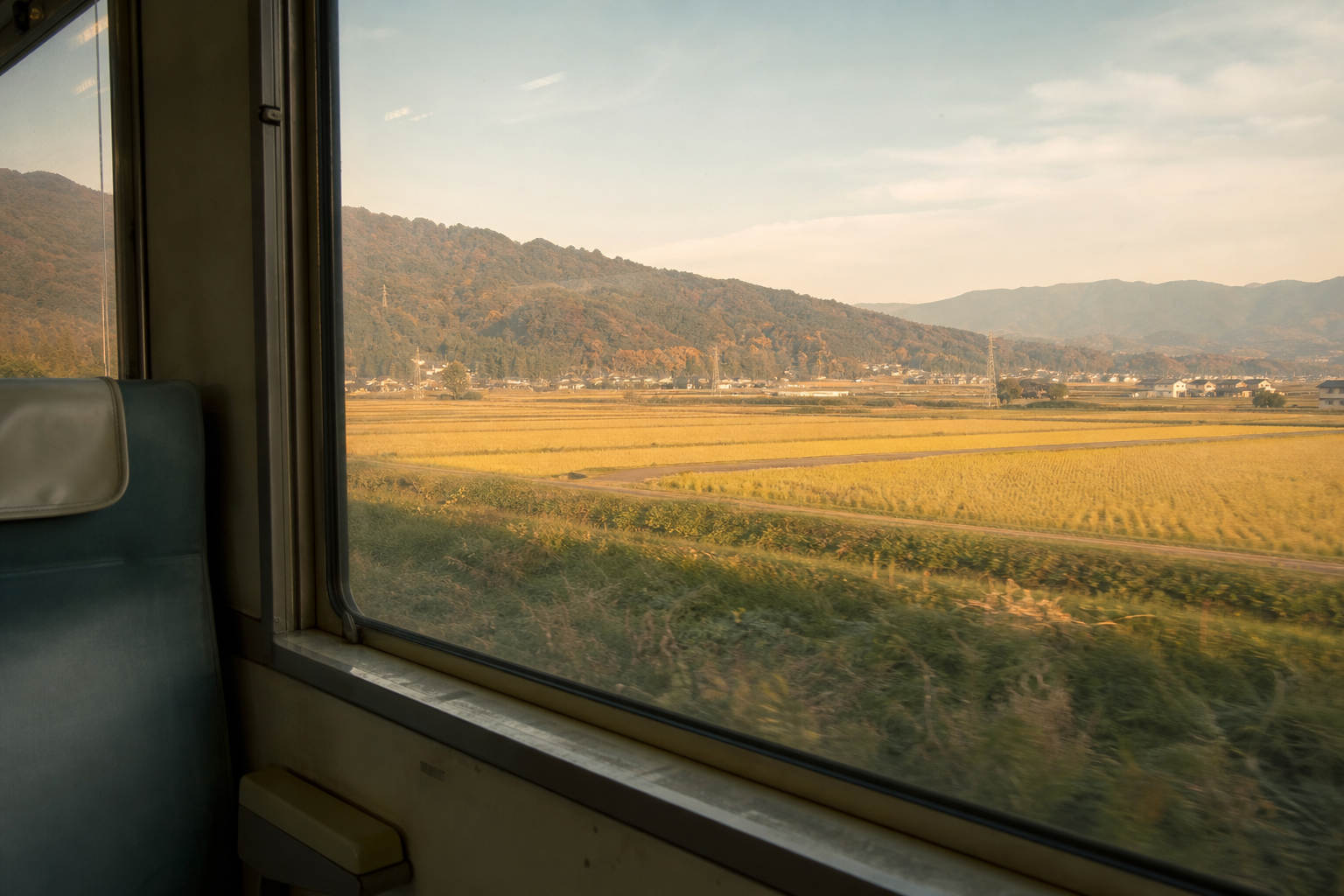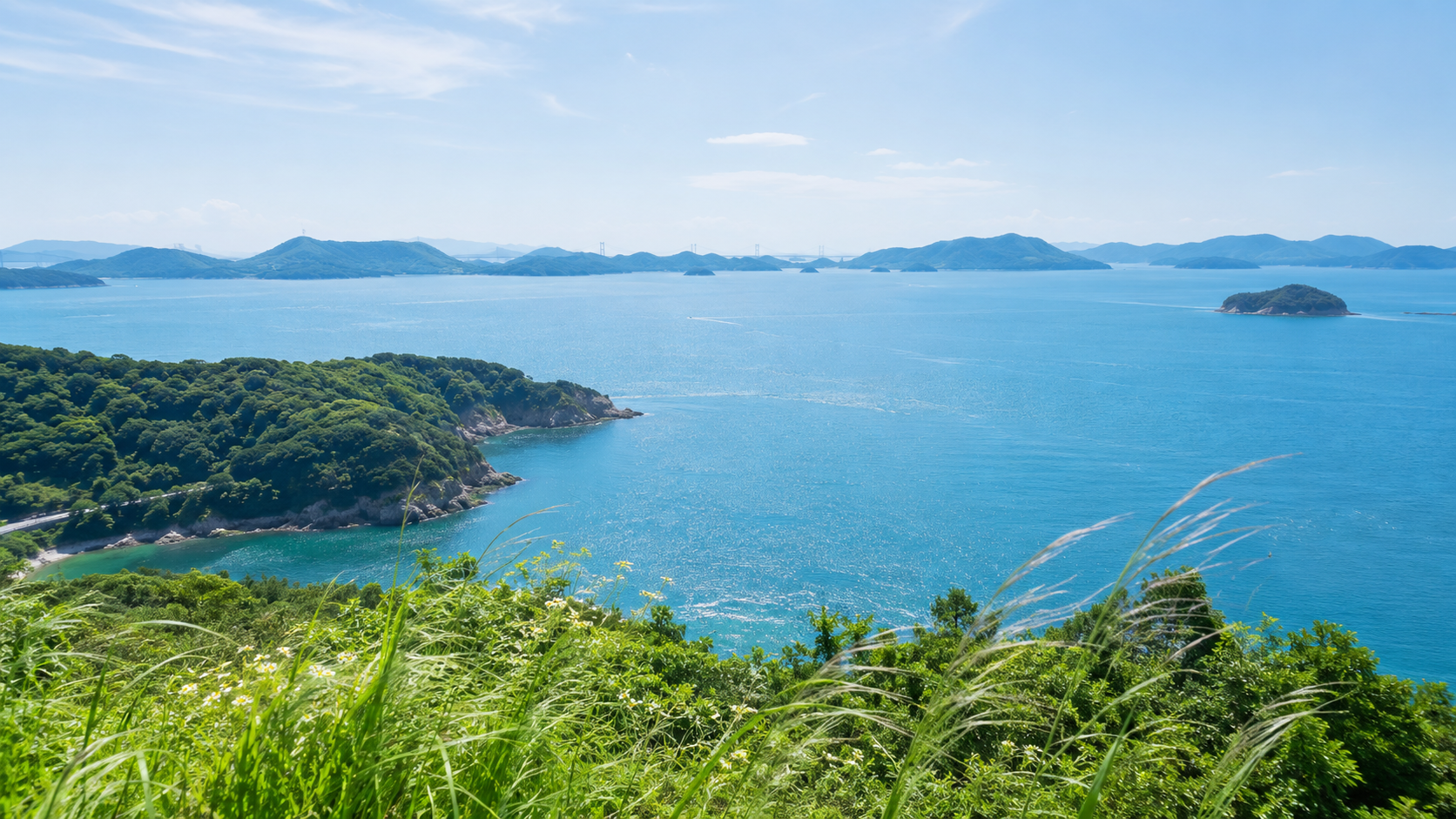
By eight in the morning, the udon is almost gone. The shop opens at six, the cook arrived before five, and the dough was made the night before. The customers who know this are already seated: retired men with newspapers, a few construction workers with early starts. You take a tray, choose your bowl, add toppings from the counter, and pay what might be 300 yen. The bowl in front of you is thick, with a texture that resists slightly before giving way. The broth is clear.
By eight in the morning, the udon is almost gone. The shop opens at six, the cook arrived before five, and the dough was made the night before. The customers who know this are already seated: retired men with newspapers, a few construction workers with early starts. You take a tray, choose your bowl, add toppings from the counter, and pay what might be 300 yen. The bowl in front of you is thick, with a texture that resists slightly before giving way. The broth is clear.
Quiet travel in Kagawa is shaped by attentive looking: the kind of attention that arrives early enough to watch how something is made, that stays long enough in a museum room for the light to change, that waits for the tide to settle before walking out onto the sand. Kagawa (香川県), known historically as Sanuki Province (讃岐国), is Japan’s smallest prefecture by area: a compact strip of coastline facing the Seto Inland Sea (瀬戸内海, Setouchi), connected to Shikoku’s body by narrow plains and defined by water on three sides. Everything here is a short distance from everything else, which makes the pace a choice rather than a default.
Takamatsu (高松), Kagawa’s main city, is a practical port city with ferry terminals serving the islands of the Seto Inland Sea. From Osaka or other Honshu cities, Takamatsu is reached by rail via Okayama and the Marine Liner service, which crosses the Seto Ohashi bridge and arrives in about an hour from Okayama. The city is a useful base: manageable, unhurried, with morning markets and ferry departures to the islands organized within easy walking distance of the port.
—
What Is Kagawa?
Kagawa is Japan’s smallest prefecture, at around 1,877 square kilometers, and among the most accessible of Shikoku’s four prefectures. The Seto Inland Sea lies to the north. The Sanuki plain occupies the center, wide and flat by Shikoku standards, historically suitable for wheat and udon production. The mountains of Shikoku rise to the south. The coastline is irregular, broken by small ports and the edges of former salt flats.
Kagawa holds a significant position in the Shikoku 88-temple pilgrimage. Temple 1, Ryozenji, is in Tokushima at the circuit’s beginning. Temple 88, Okuboji (大窪寺), sits in Kagawa’s eastern mountains, and it is here that the pilgrimage’s long circuit formally closes. Many pilgrims traditionally continue from Temple 88 to Koyasan in Wakayama, to pay respects at the mausoleum of Kobo Daishi (弘法大師), the monk associated with the pilgrimage. For those who arrive having walked the full circuit, Kagawa is both destination and threshold. For those who arrive from Takamatsu by ferry or rail, it is an entrance. The prefecture holds both roles.
—
Sanuki Udon
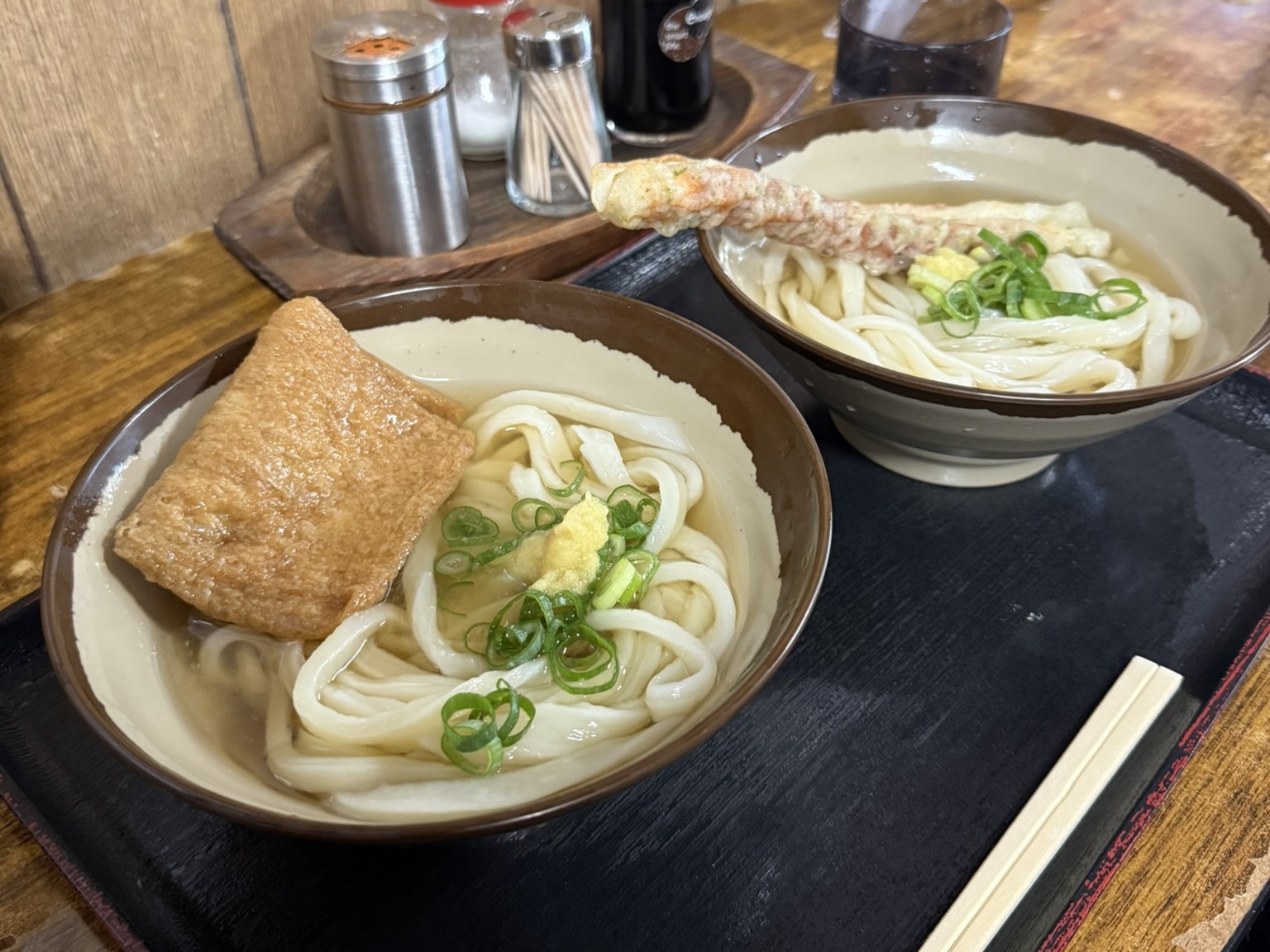
Sanuki udon (讃岐うどん) is Kagawa’s regional udon noodle: thick, with a characteristic koshi (firm bite and elasticity in the noodle), served in a clear dashi broth made from kombu and dried fish. The style is direct. You are eating noodles.
What distinguishes Kagawa’s udon culture from other noodle traditions in Japan is how embedded it is in daily life. Many shops that locals use operate as serufu shiki (セルフ式, self-service): you take a tray, order a base bowl at the counter, add toppings (a piece of tempura, a raw egg, green onion), and pay at the end. At many of these shops, a plain bowl costs a few hundred yen. Some popular local shops open at dawn and work through their prepared batches well before noon, finishing when the noodles run out. Arriving late may mean a shorter menu, a different batch, or a sign that says finished.
The texture of Sanuki udon is worth attending to: the way the noodle pushes back slightly against the bite before yielding, the clean finish of the broth, the simplicity of the composition. This is a form of looking applied to the tactile. It is the same quality of attention that Naoshima’s art museums ask of visitors in front of a Turrell light installation, and that Chichibugahama asks of visitors watching the tide. The udon counter is where quiet travel in Kagawa tends to begin, usually very early and with nowhere else to be.
—
Naoshima
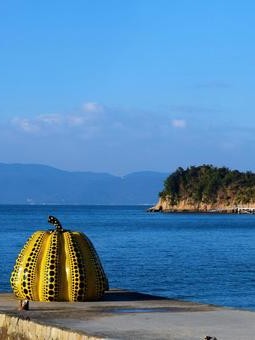
Naoshima (直島) is a small island in the Seto Inland Sea, accessible by ferry from Takamatsu (approximately 50 minutes to Miyaura Port on the island) or from Uno Port on the Okayama side. Over the past three decades, it has been shaped by the Benesse Art Site Naoshima, developed by the Fukutake Foundation and Benesse Holdings. The Benesse Art Site carries current information on tickets, opening schedules, and facilities.
The Chichu Art Museum (地中美術館, “underground art museum”), designed by architect Tadao Ando and set partially into the hillside so that natural light enters from skylights rather than windows, holds a focused permanent collection: three works by James Turrell, Walter De Maria’s Time/Timeless/No Time, and five of Claude Monet’s Water Lilies paintings displayed in a room of white concrete and natural light. The Turrell rooms are designed for extended looking. The light shifts as the sun moves and the eye adjusts to the space. Twenty minutes in a single room is not unusual and rarely feels excessive.
For the cultural thinking behind why restraint, negative space, and minimal forms carry this kind of weight in Japanese aesthetics, the Mind piece on the aesthetics of subtraction approaches that question from a different direction.
The Lee Ufan Museum (李禹煥美術館), also by Ando, holds work by the Korean-Japanese artist Lee Ufan, whose minimal paintings and sculptures attend to the relationship between material and surrounding space. The Art House Project in Honmura village installs contemporary works into restored old buildings in a lived-in village; walking between sites passes through ordinary residential streets. Yayoi Kusama’s yellow pumpkin sculpture on a pier facing the sea is the most reproduced image from Naoshima, worth seeing; the museum work elsewhere tends to reward more time. Arriving on a quiet morning and staying overnight produces a different experience from arriving on a crowded ferry and moving quickly between sites.
—
Shodoshima: Olives, Ferry Time, and Island Pace
Shodoshima (小豆島) is the second-largest island in the Seto Inland Sea, accessible by ferry from Takamatsu to Tonosho Port (approximately 60-70 minutes). The Shodoshima Tourism site carries English-language access and seasonal information.
Two agricultural practices define the island’s identity. Olive cultivation on Shodoshima began in 1908 as part of a government initiative to introduce Mediterranean crops to Japan; the island’s climate proved suitable, and commercial olive cultivation has continued since. The hillside groves facing the sea produce olives for oil and local products available across the island. Somen (素麺, hand-stretched thin noodles) is the island’s other culinary tradition: local producers in the area around Tonosho preserve the technique of stretching noodle dough by hand across wooden posts on drying racks, a process carried on through cooler seasons.
Kanka-kei gorge (寒霞渓), in the island’s mountainous interior, is a valley of eroded rock formations accessible by ropeway. The surrounding trees turn in autumn.
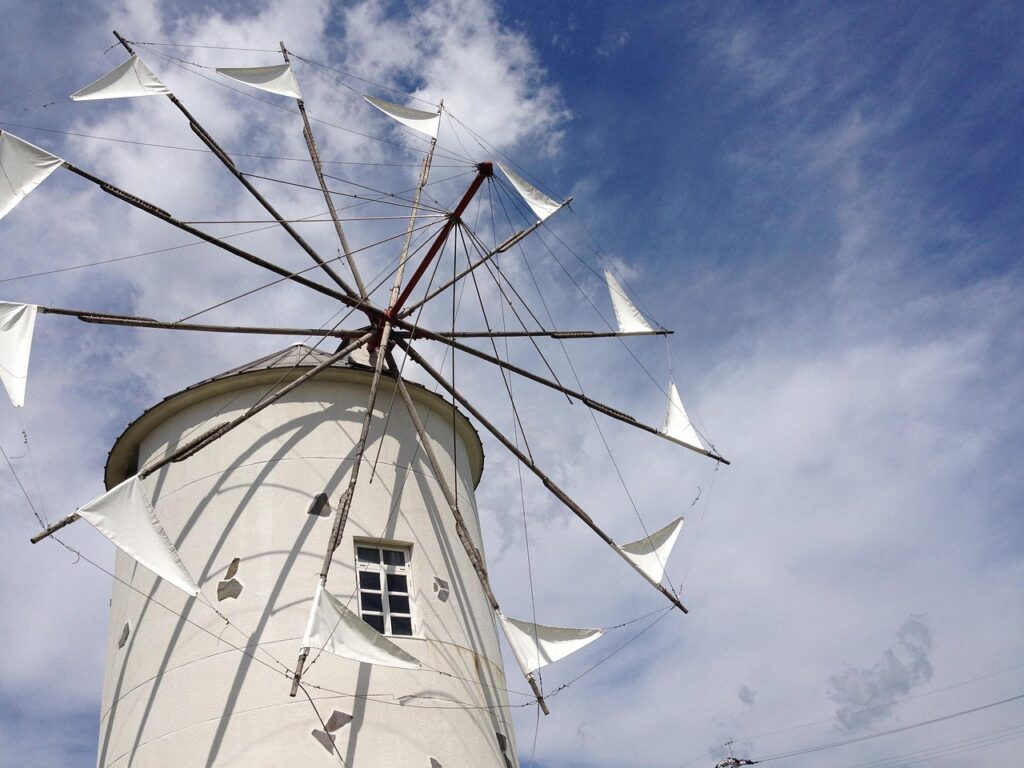
The ferry crossing from Takamatsu is part of the experience rather than merely transit. Sitting on the open deck watching the other islands of the Seto Inland Sea pass, the hour of crossing itself produces the kind of unhurried attention that quiet travel in Kagawa rewards. For the particular pleasures of seasonal, carefully made Japanese food traditions, including the noodle and confection cultures of this region, the Wagashi and the Seasons Savor piece is a useful companion.
—
ChichiBUgahama: The Mirror Beach Beyond the Photograph
Chichibugahama (父母ヶ浜) is a wide, flat tidal beach in Mitoyo City (三豊市). The nearest station on the Yosan Line is Takuma, approximately 50-60 minutes from Takamatsu by train; from the station, the beach is a short taxi or bus ride further. The Mitoyo Tourism site carries tidal schedule and seasonal access information in Japanese.
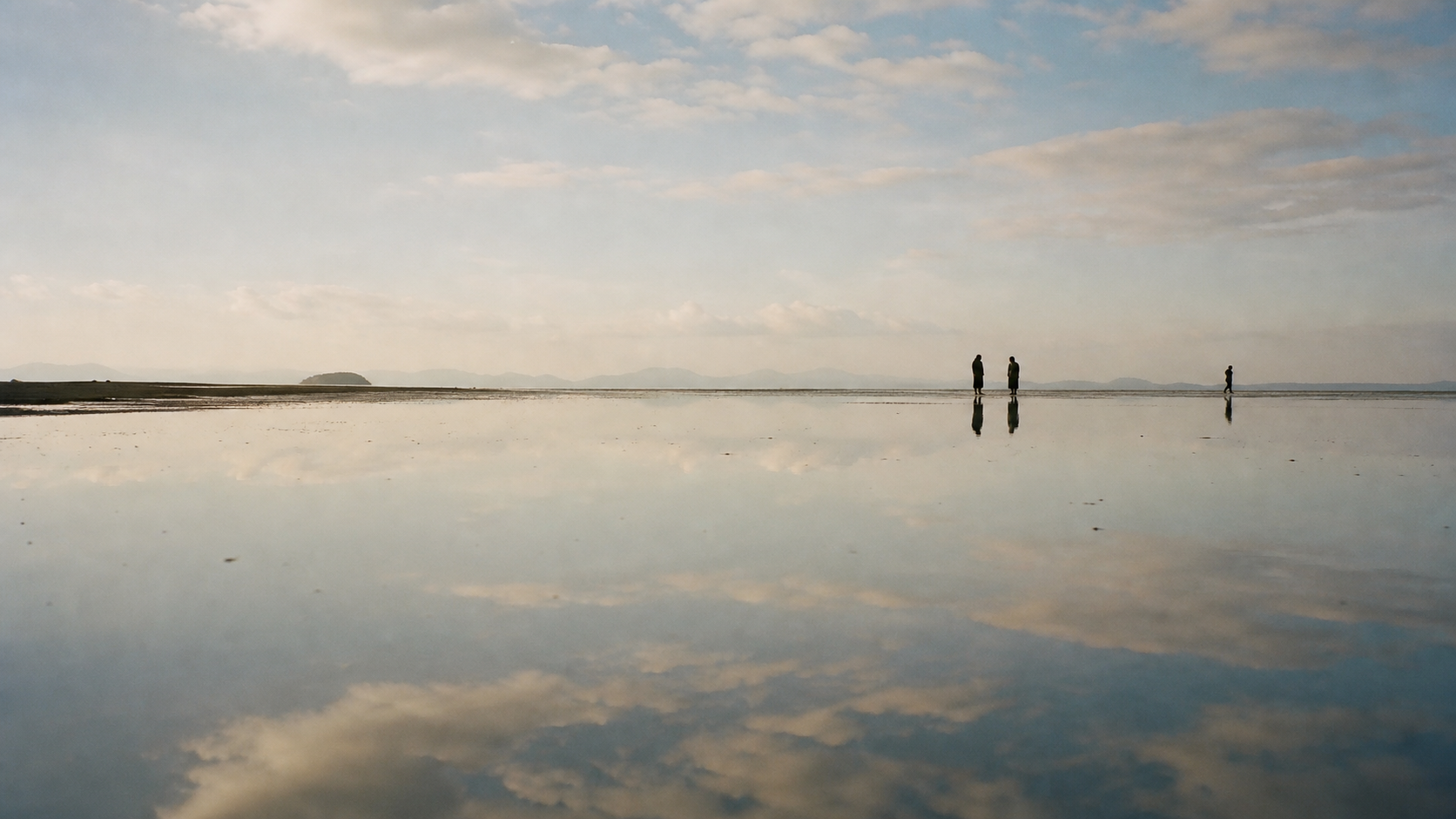
In calm weather at low tide, particularly in the hour before and after sunset, the thin sheet of water remaining on the wet sand reflects the sky. The effect can produce a near-complete mirror image of the clouds, the horizon, and the people standing in it. The beach became widely known on social media in the 2010s, primarily through photographs taken at this tidal moment. On weekends in good weather, it can be crowded with photographers attempting to capture the same image.
The actual experience of Chichibugahama depends considerably on when you arrive. Early on a clear weekday morning at low tide, the beach returns to something closer to its ordinary character: a long, flat shore with a view of the sea, distant islands, and a sky that changes. The mirror effect, when conditions are right, is quiet rather than dramatic. It is a doubling of what is already there: the same horizon, the same light, made visible from below.
This is what quiet travel in Kagawa consistently offers when the pace is right: the thing behind the photograph. The udon before the tourist hour, the Chichu room before the group arrives, the beach before the sky becomes the agreed-upon image. Looking takes time, and Kagawa, for all its compactness, has enough of that.
—
The Pilgrimage and the Closing
For the full context of Kagawa within the four-prefecture slow travel experience of Shikoku, the Space overview of quiet travel in Shikoku covers how all four prefectures relate and what connects them.
Somewhere in the eastern mountains of Kagawa tonight, a pilgrim is at Temple 88. They ring the bell, visit the main hall, and receive the final stamp. The 88-temple circuit closes here. Many will continue to Koyasan from here to complete the ritual. What the completed circuit produces in those who finish it is not easily summarized. What it demonstrates is that looking closely at the same kind of thing many times over, each time slightly different, across a long road and many days, changes how you see.
The prefecture that holds that ending has a corresponding quality. Small, coastal, practical, attentive. Kagawa does not ask to be treated as extraordinary. It asks to be looked at carefully, at the right time, before the crowd arrives.