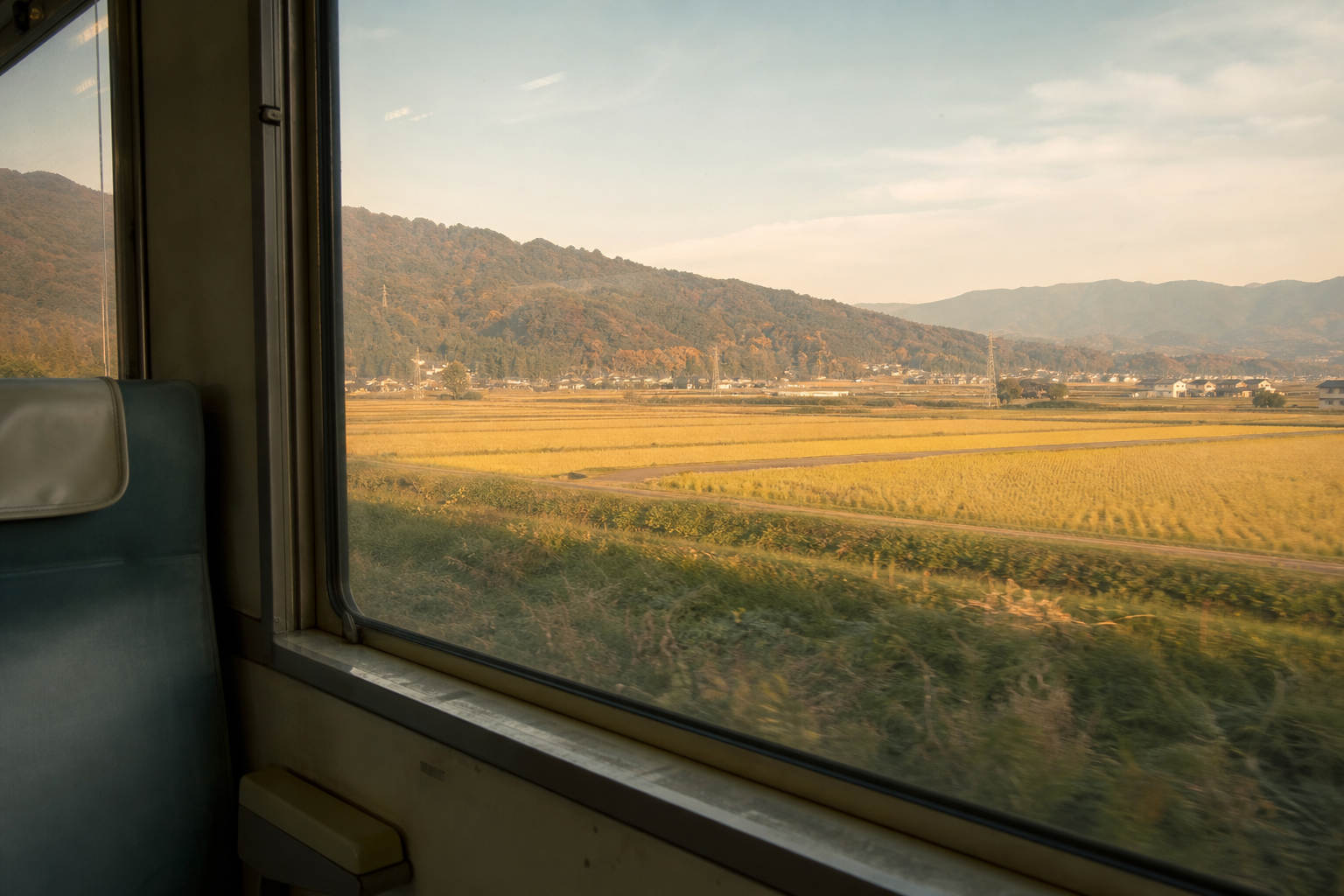
The road into Iya Valley does not ease you in. It narrows almost immediately after the turn off the main highway, clinging to the side of a mountain with the Iya River running far below. In early morning, the valley holds mist, and the cedars on the far slope disappear into it. The only sound is water. You go down. Tokushima Prefecture (徳島県) is the eastern gateway to Shikoku. It is
The road into Iya Valley does not ease you in. It narrows almost immediately after the turn off the main highway, clinging to the side of a mountain with the Iya River running far below. In early morning, the valley holds mist, and the cedars on the far slope disappear into it. The only sound is water. You go down.
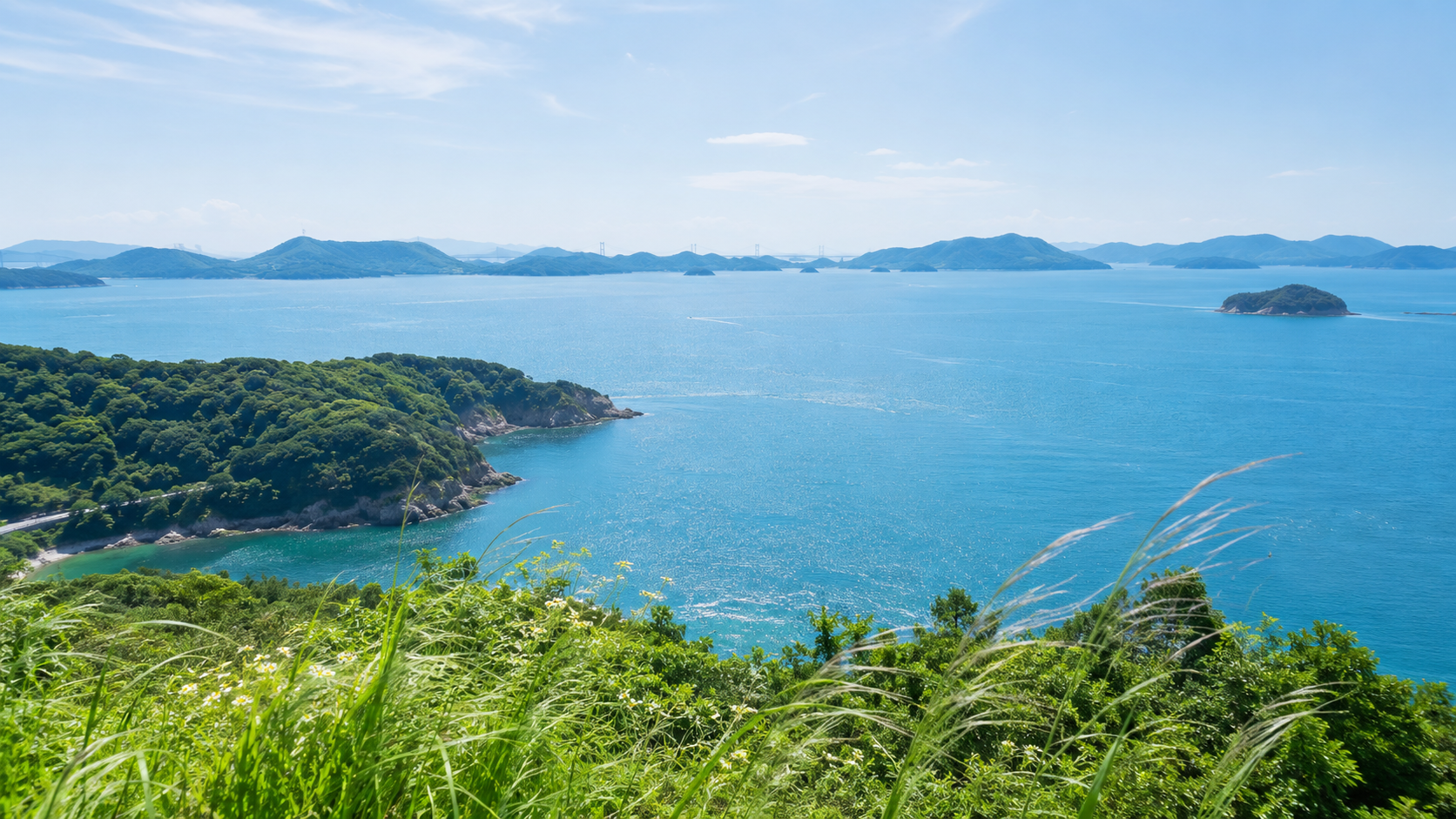
Tokushima Prefecture (徳島県) is the eastern gateway to Shikoku. It is where Japan’s most famous pilgrimage begins, where the island’s deepest mountain valleys lie, and where a summer dance festival has been moving through the streets of the prefectural capital for roughly 400 years. Tokushima’s old provincial name is Awa (阿波), and that name still appears on the festival. The prefecture has a population of around 720,000, covers a mix of river plains, forested mountains, and Pacific coastline, and is, for most travelers who reach it at all, a kind of beginning: of the journey, or of the descent into something older and quieter than the main island offers.
—
What Is Tokushima?
Tokushima Prefecture is the easternmost of Shikoku’s four prefectures, shaped by two major geographic features: the Yoshino River (吉野川), which runs east through the northern plains before emptying into the sea near Tokushima City, and the mountains that rise steeply to the south and west. These mountains are dense and deeply forested. The coast and the valley floor are open. The interior is not.
The first temple of the Shikoku 88-temple pilgrimage, Ryozenji (霊山寺), stands in the northeastern corner of the prefecture near Naruto City. For pilgrims arriving from Osaka by ferry or train, Tokushima is where the white jacket first goes on. The 88-temple circuit covers roughly 1,200 kilometers in total. Tokushima’s section is known as the Hosshin no Dojo (発心の道場): the training ground of awakening, or, more loosely, the stage of setting out. Whether or not a traveler intends to walk the full route, that framing shapes what quiet travel in Tokushima feels like. Something begins here.
—
The Iya Valley
The Iya Valley (祖谷渓) runs through the mountainous center of Tokushima. The valley floor is river gorge, steep and forested. The settlements that cling to the slopes above were not easy to reach for most of recorded history, and there is an older quality to the architecture here: thatched-roof farmhouses, narrow field paths, the smell of wood and old stone.
The area is associated, in local tradition, with survivors of the Heike clan (平家) who are said to have retreated into the mountains after their defeat at the Battle of Dan-no-ura in 1185. The heritage site Heike no Sato (平家の里) and various family names in the valley preserve that story, though historians note that the details belong more to legend than to documented record. What the association adds to the valley is a sense of chosen remoteness, of people who came here not to be found.
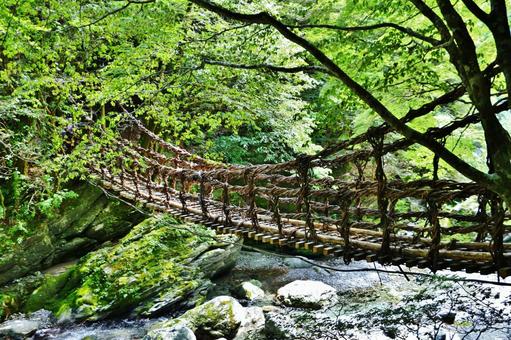
The most visited feature of Iya is the kazurabashi (かずら橋), a suspension bridge woven from shirakuchikazura, a variety of mountain wisteria vine. The bridge is rebuilt approximately every three years using the same technique that has been used for centuries, and this traditional craft is designated as an important intangible folk cultural property. It sways when you walk it. The planks are spaced wide enough that you can see the river below. A second pair of bridges, the Oku-Iya Niju Kazurabashi (奥祖谷二重かずら橋), lies further upstream and draws fewer visitors.
What draws slower travelers to Iya is something less specific than any single crossing. It is the physical character of the valley: the drop from the road edge to the river, the quiet above the tree line, the way the hours pass differently when the main sounds are water and wind. There are simple guesthouses in the valley, and in cooler seasons the mist settles in a way that makes the climb back out feel like a different journey from the descent.
—
Where the Pilgrimage Begins
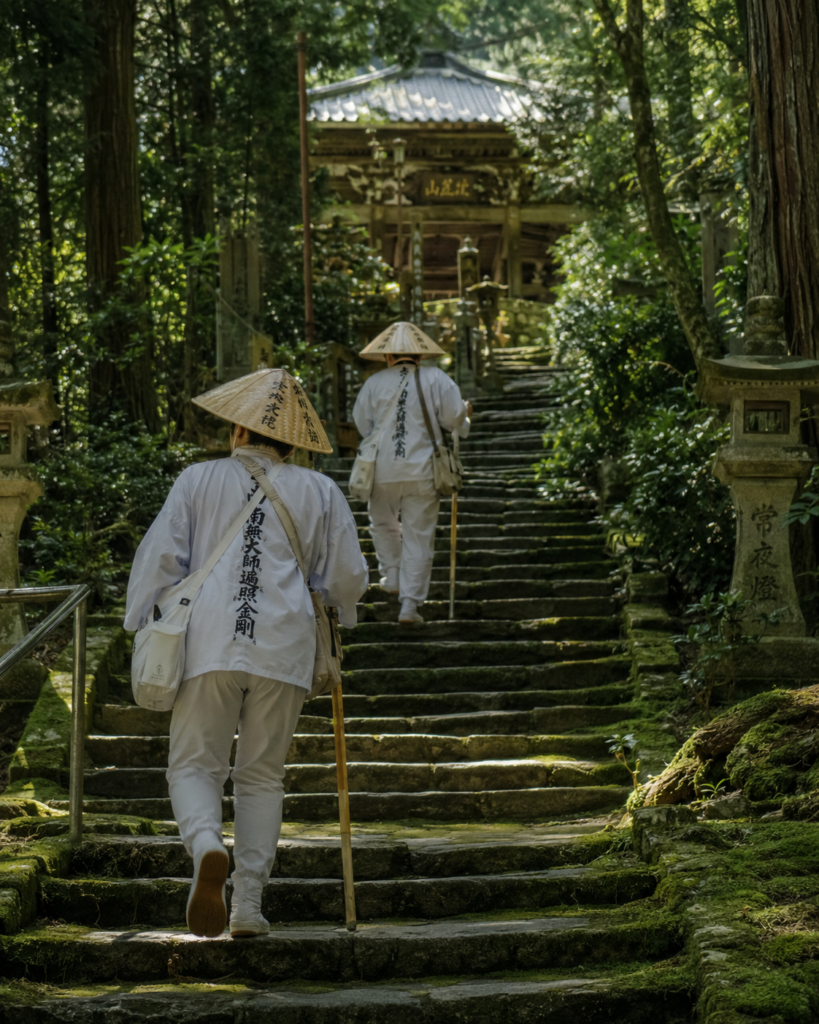
The 88-temple pilgrimage is associated with Kukai (空海), the Buddhist monk who founded the Shingon school and is known posthumously as Kobo Daishi (弘法大師). He is said to have trained across Shikoku in the early 9th century. By tradition, his presence accompanies every pilgrim on the route. The phrase dogyo ninin (同行二人), “two walking together,” is inscribed on the hakui (白衣), the white over-jacket that pilgrims wear, and on the conical sedge hat that shades them in summer.
Ryozenji, Temple 1, sits in a modest setting in Naruto. There is nothing grand about the beginning of a thousand-kilometer road. Pilgrims at the gate on any given morning are adjusting gear, buying kongozue (金剛杖, the traditional wooden staff), and looking at maps that will prove less useful than their feet. The temple has equipment available for new pilgrims, and the monks offer a brief orientation for groups who ask.
At each temple, pilgrims recite the Heart Sutra (般若心経) and receive a goshuin (御朱印), a hand-brushed ink stamp and inscription in a dedicated notebook. For many pilgrims, the accumulation of these stamps becomes a form of diary. By the time the circuit is complete, the book carries the record of the road.
Along the route, locals practice settai (接待): offering gifts to pilgrims without expectation of return. A mandarin orange, a cup of barley tea, a small amount of money. The gift is understood as an act of spiritual merit for the giver. This tradition of hospitality toward strangers has persisted across centuries and is part of why Shikoku, and Tokushima in particular, does not feel unwelcoming to travelers who arrive without a clear purpose.
For those who want to understand the full structure of the circuit and find registered guesthouses along the Tokushima section, the Shikoku Pilgrimage official site carries practical information in English.
For a traveler engaging with quiet travel in Tokushima without walking the full circuit, even a few kilometers of the pilgrimage road offers a different relationship with the area. The route passes through farmland, small towns, and the occasional stretch of highway. It is ordinary in the specific way that long roads are ordinary: a surface that carries you forward if you stay on it.
—
Awa Odori and the Rhythm of Summer
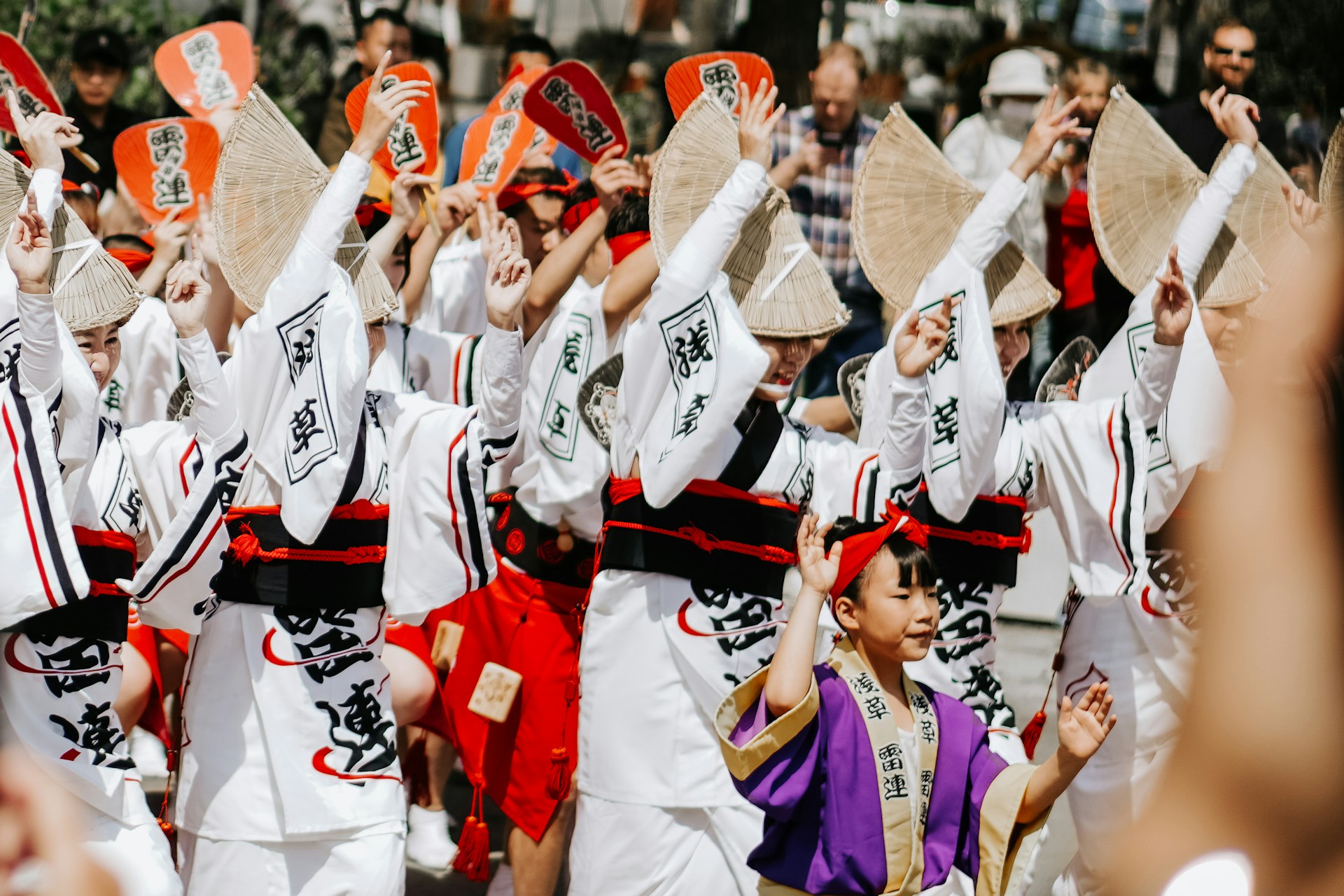
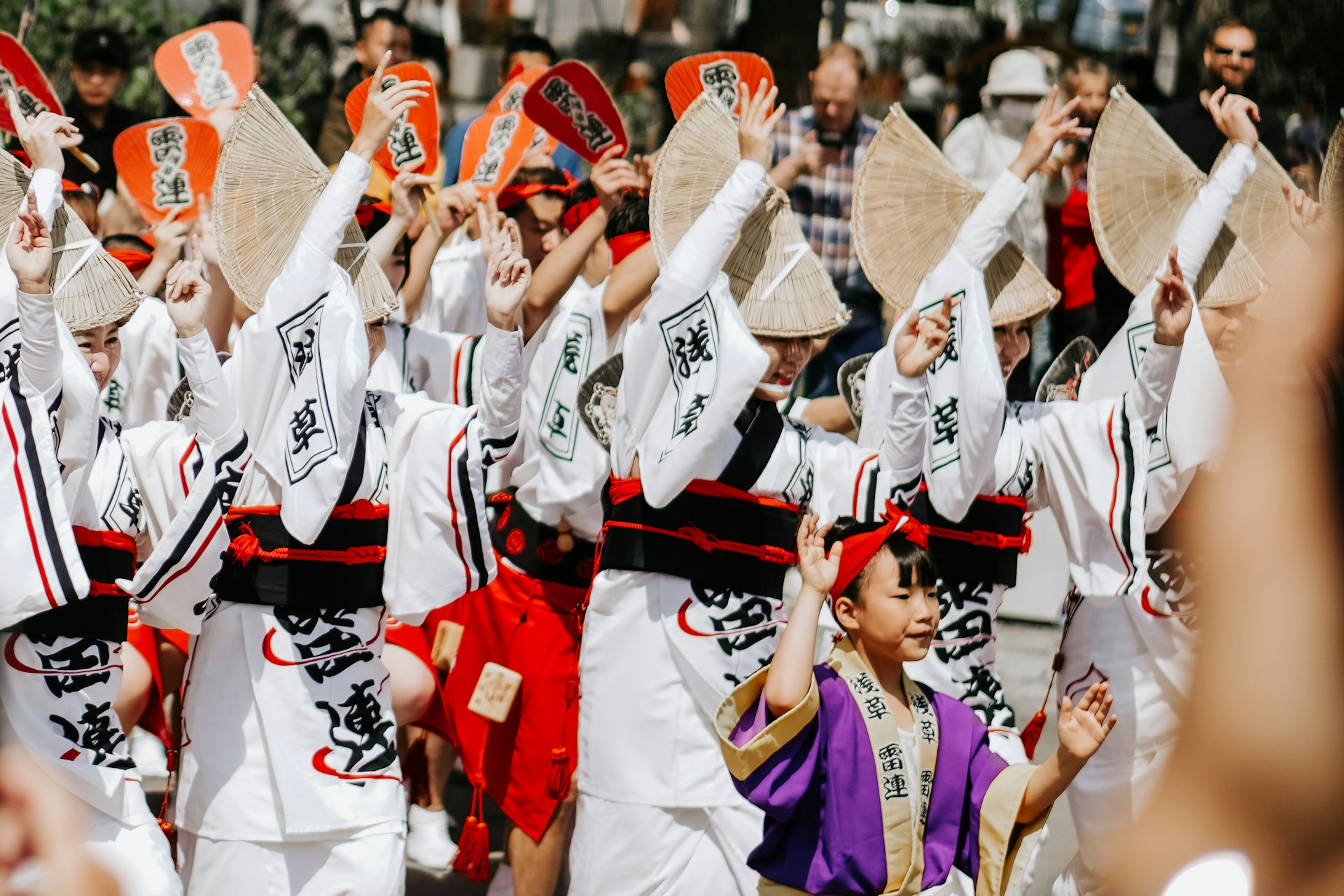
In mid-August, Tokushima City becomes a different place. The streets fill with dancers, the sound of shamisen (三味線), drums, and flute fills the air from multiple directions at once, and the phrase that passes from group to group is one of the most quoted in Japanese folk culture: Odoru ahou ni miru ahou, onaji ahou nara odoranya son son (“Dancing fools and watching fools; if you’re a fool either way, you might as well dance”).
Awa Odori (阿波踊り) is a bon odori, a traditional dance performed during the Obon period in August, when the spirits of ancestors are said to return. The Tokushima festival traces its origins back roughly 400 years, though its current scale is largely a 20th-century development. The festival runs from August 12 to 15. The Awa Odori Navi site (primarily in Japanese) carries schedule and venue information closer to the festival.
What distinguishes Awa Odori from other bon odori festivals is its organization into neighborhood dance groups called ren (連). Each ren has its own choreography, costumes, and musicians. During the festival, the ren move through the streets in long processions called nagashi (流し): moving performances through public streets that anyone along the route can watch. The ren also perform at designated outdoor stages across the city, which include both free viewing areas and paid seating.
The ren themselves are local: neighborhood associations, companies, schools, families who have danced together for many years. For travelers curious about community and celebration in Japan, watching a ren practice outside of festival season, in a small gymnasium or community hall, reveals something that the festival can obscure: these performances exist as a living practice, maintained through ordinary effort over many months, not assembled only for August.
The contrast between Awa Odori’s summer noise and the valley’s silence is not a contradiction. Both belong to Tokushima’s character. One is the sound of community gathered around something older than any individual memory. The other is what remains when the gathering ends.
—
The Character of Descent
Quiet travel in Tokushima is organized around going down, in several senses. Into the valley. Into the beginning of a long road. Into a summer rhythm that precedes the modern city. What the prefecture does not offer is spectacle at scale: no large cities, no famous coastlines, no art museums. Its register is more particular.
The Yoshino River flows wide through the northern plain and is known for dramatic gorge scenery above the Oboke and Koboke stations, visible from the train that runs through the valley. The spa at Iya Onsen, at the valley bottom, is accessible by a steep cable car from the road above. Tokushima City itself is manageable and unhurried, with a daily market culture and, outside of August, a quiet that belongs to it.
For practical information on getting into the Iya Valley and along the pilgrimage route, the Tokushima Prefectural Tourism website carries English-language guidance. For the broader four-prefecture slow travel context, the Space overview of quiet travel in Shikoku covers what connects the island’s prefectures. For the cultural thinking behind why descent, stillness, and simplicity carry weight in Japan, the Mind piece on the aesthetics of subtraction offers a different angle.
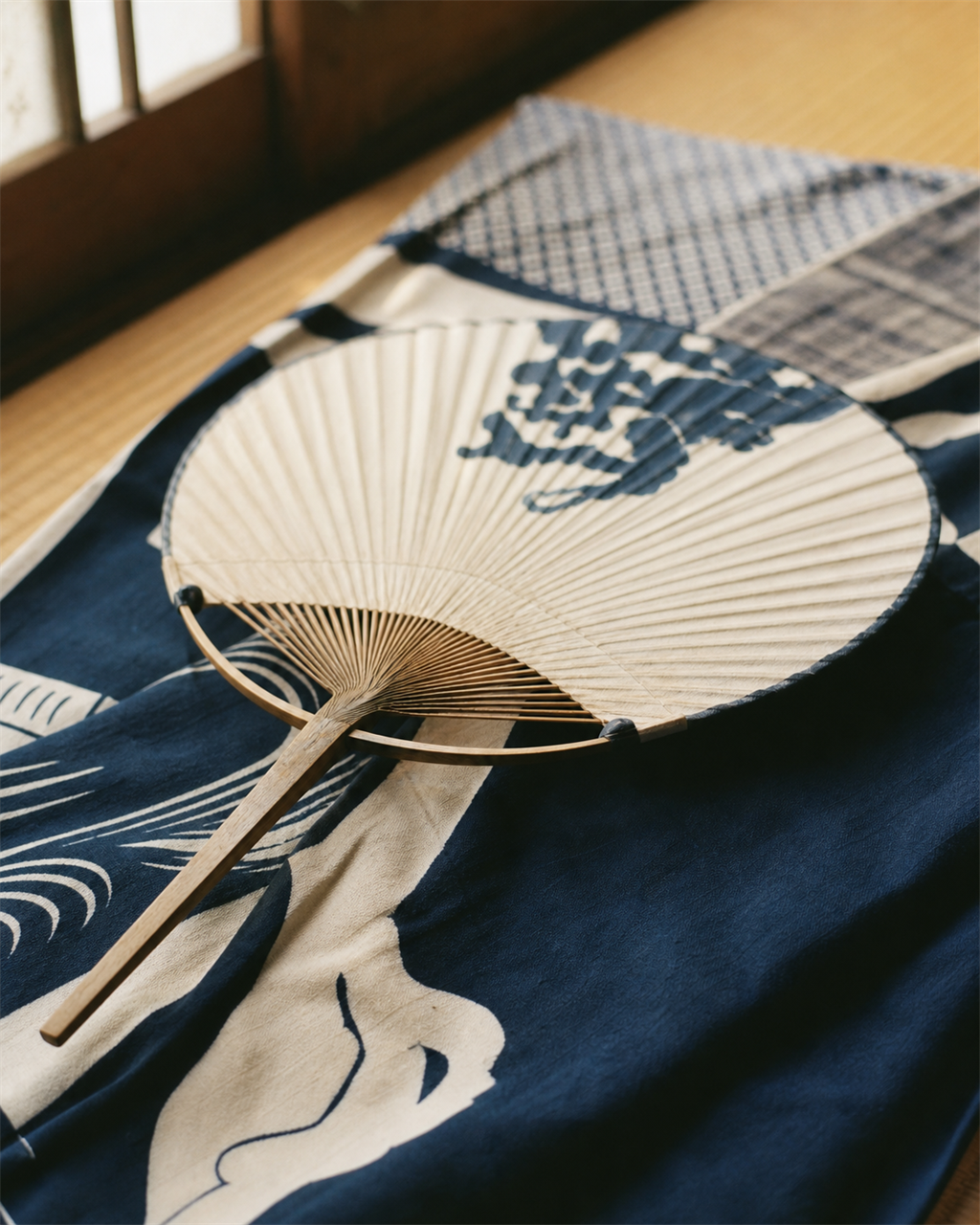
For a slower afternoon between days of walking or valley roads, the Jun-kissa tradition in Japan (old-style coffee shops where time moves at a different rate) is worth finding even in smaller Tokushima towns.
There is a particular quality to places where things begin. The first temple, the first descent into the valley, the first August night when the dancing starts. Tokushima holds several of them. Whether or not you follow any of them to their end, starting there changes how you understand the rest of the island.