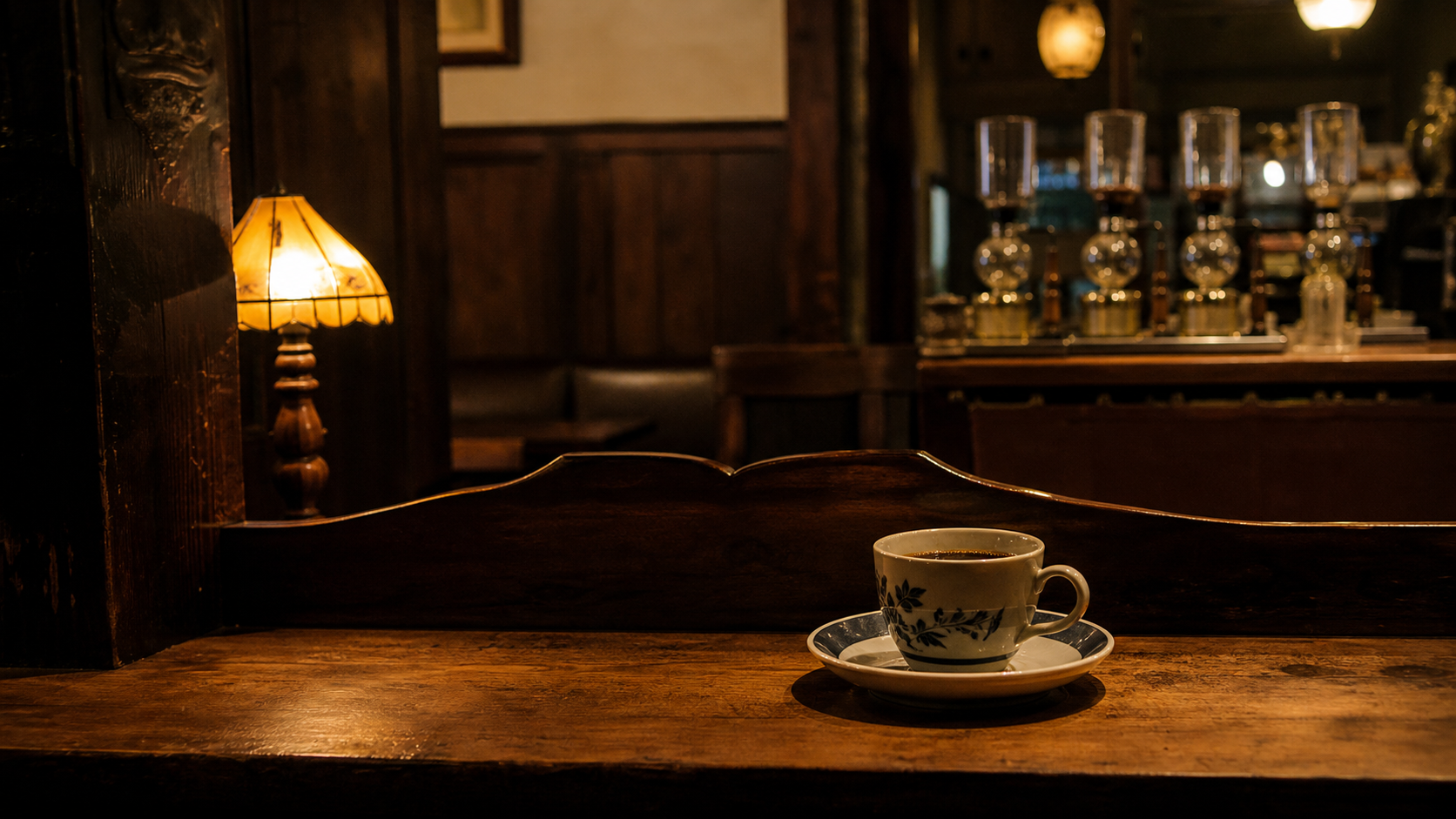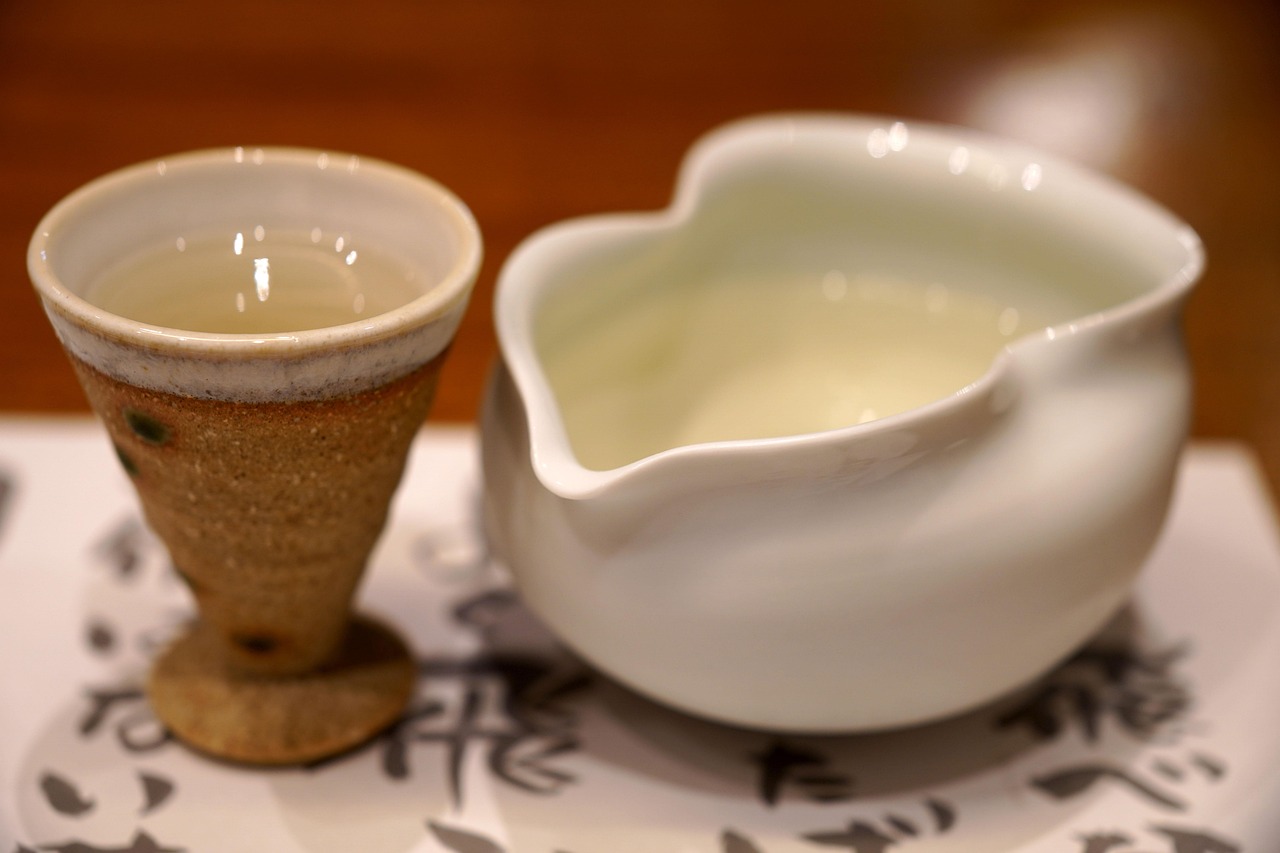
It is August. The air outside is heavy, the kind of humid heat that follows you inside. You sit down at a small izakaya (居酒屋, a casual Japanese drinking establishment, somewhere between a pub and a dinner table) with wooden stools and a slow fan. A cold, damp towel arrives first. Then, almost without thinking, you order a beer. The beer comes fast, and it does exactly what it needs to do: cuts through the heat, buys you time to settle. Later, when the food has arrived and the pace has slowed, you order cold sake. The b
It is August. The air outside is heavy, the kind of humid heat that follows you inside.
You sit down at a small izakaya (居酒屋, a casual Japanese drinking establishment, somewhere between a pub and a dinner table) with wooden stools and a slow fan. A cold, damp towel arrives first. Then, almost without thinking, you order a beer. The beer comes fast, and it does exactly what it needs to do: cuts through the heat, buys you time to settle.
Later, when the food has arrived and the pace has slowed, you order cold sake.
The bartender sets down a small chilled bottle. The glass is barely two fingers. You pour carefully, because the sake is cold enough to lose something if you rush it.
The first sip is clean and a little sharp. Fruity, in a way you did not expect from nihonshu. By the time you are halfway through the glass, it has warmed slightly in your hand, and the flavor has shifted, opening toward something rounder.
I have had this happen to me more times than I can count, on August evenings in Tokyo, in Osaka, at a counter in a neighborhood I was visiting for the first time. The shift is never an accident. That is the point.
—
What Is Reishu?
Reishu (冷酒) is the Japanese term for sake served cold. The word combines rei (cold) and shu (sake or alcohol). Its counterpart is kanzake (燗酒), warmed sake, which is the older and historically more common tradition.
Nihonshu, the Japanese word for sake as a brewed rice alcohol, was drunk primarily at room temperature or warm for most of its history. Cold sake in Japan as a widespread practice came later, as refrigeration became standard in postwar Japan. Around the same time, ginjo and daiginjo styles (highly polished rice sakes with fruity, aromatic profiles) began to receive wider attention in Japanese sake circles. These styles are generally best served cold; the fragrance that makers work to develop tends to close down with heat. According to the Japan Sake and Shochu Makers Association, the expansion of ginjo-grade sake production from the 1970s onward significantly shaped how cold sake drinking is understood today.
This history matters because it explains why some older sake drinkers still prefer kanzake, and why certain traditional styles are not particularly designed for cold service.
—
Summer and Sake in Japan
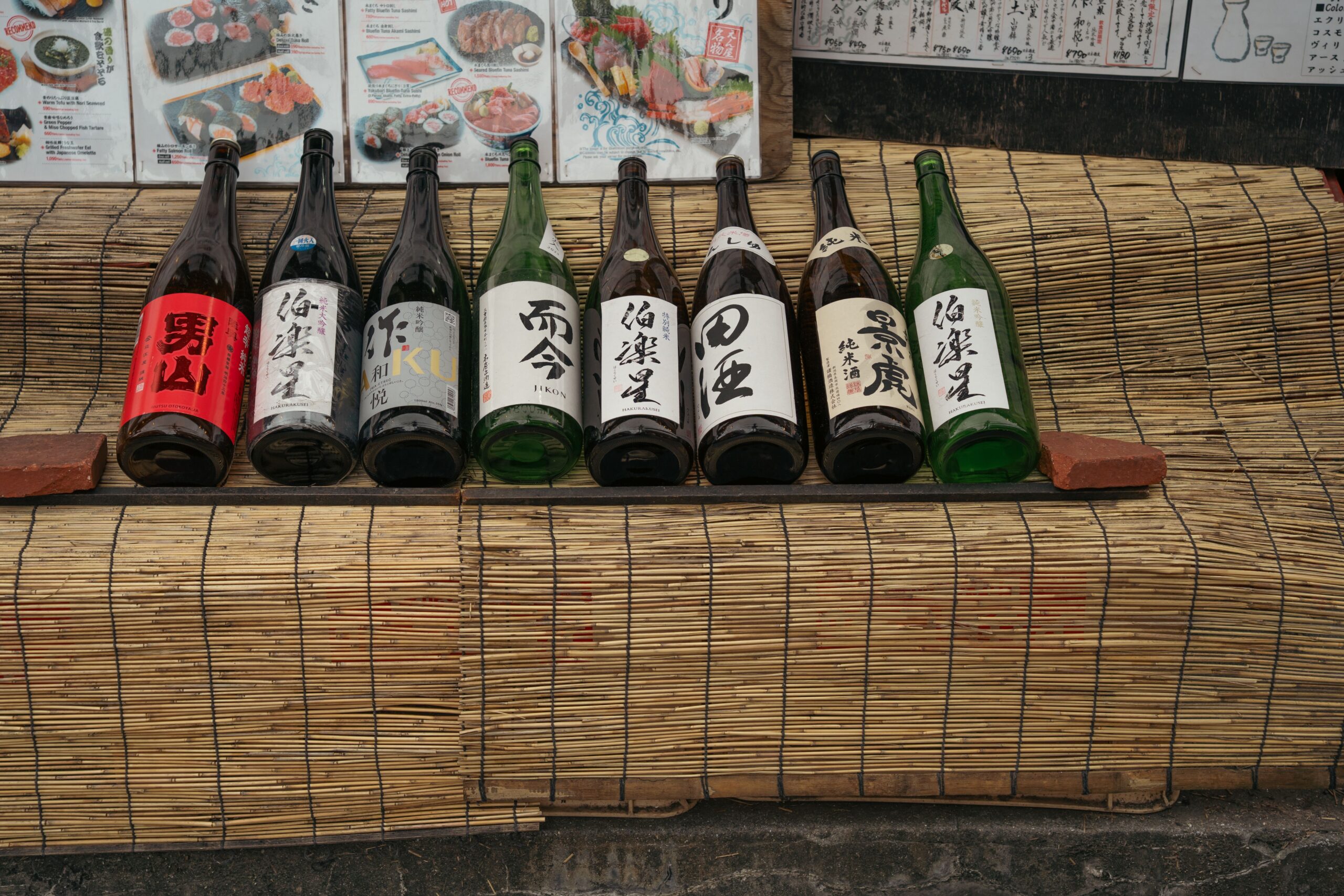
In Japan, summer drinking has its own logic.
Beer arrives first, almost always. It is fast and cold and pairs with heat in a way nothing else does. But when the pace slows, when the food becomes more considered, that is when cold sake enters.
The seasonal association is not only practical. Cold sake in Japan carries a particular emotional register: restraint, sharpness, attention. A bowl of chilled soba and a small glass of reishu is a summer dinner that does not announce itself. There is nothing excessive about it.
This is different from the winter logic of kanzake, which is about warmth, the way a heated cup radiates into cold hands. Reishu in August is about cutting through heat cleanly, not covering it. The same sensitivity to seasonal appropriateness that shapes how Japanese food is served connects to what goes in the glass, a sensibility close to what Japanese aesthetic thinking describes as ma (間, the meaningful space or pause), the idea that restraint, not abundance, gives something its shape.
—
The Temperature Tiers
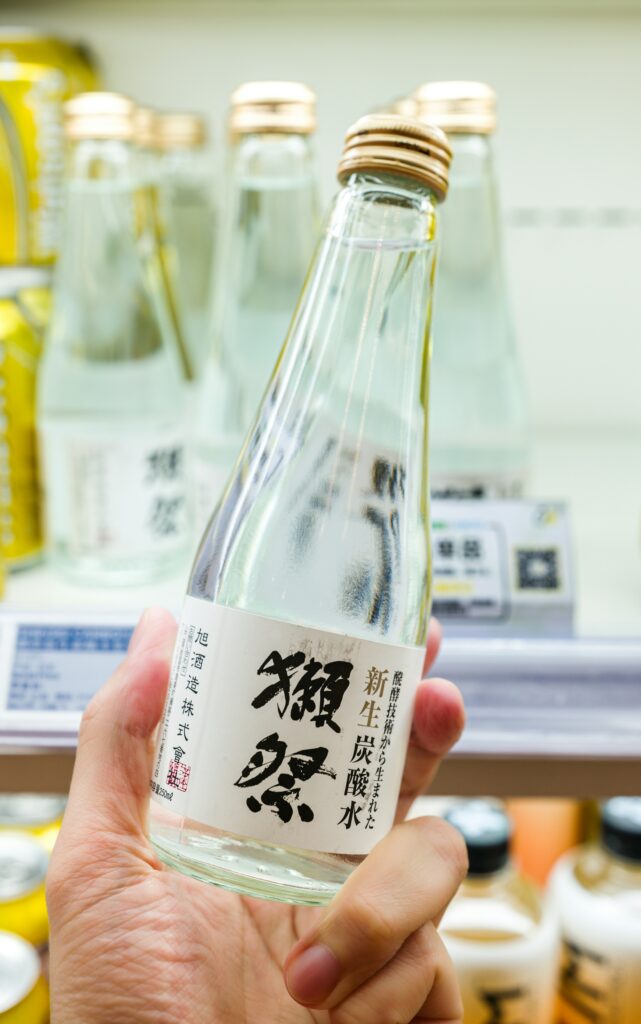
Japanese sake culture uses a set of named temperature points for serving cold sake. These terms are used in sake education contexts, including by the SSI (Sake Service Institute, 日本酒サービス研究会), though different breweries and bartenders apply them with some variation. They are practical language, not fixed universal rules.
Three levels are commonly referenced:
Yuki-hie (雪冷え), around 5 degrees Celsius. Snow-cold. At this temperature, aroma is largely suppressed and flavor becomes very clean and bracing. Good for drinking in intense summer heat, when you want sharpness rather than complexity.
Hana-hie (花冷え), around 10 degrees Celsius. Flower-cool. A frequently used serving temperature for cold sake at izakaya, particularly for fruity ginjo styles. Enough chill to keep the sake crisp, but not so cold that the fragrance disappears entirely.
Suzuhie (涼冷え), around 15 degrees Celsius. Slightly chilled, closer to a cool room. Here the sake has the most complexity, the point where cold and room temperature are in balance. Some drinkers find this works well for more structured, mineral sakes.
The names, snow-cold and flower-cool, are part of how Japanese food culture tends to frame sensation: temperature is not only a technical setting but a sensory idea. Whether or not you remember the terminology, the underlying logic holds. The colder the sake, the less you will smell it and the sharper it will taste. Pour a glass cold and let it sit for a few minutes, and you will see this happen in real time as it climbs from yuki-hie toward suzuhie.
—
Which Sake Works Cold
Not all nihonshu is equally suited to cold service. The style matters.
Junmai ginjo and daiginjo are the clearest candidates for reishu. Polished, often fruity, sometimes floral, and developed to be served cold. Warming them tends to blur what they are designed to do.
Honjozo (sake with a small addition of distilled alcohol) is generally clean and dry and works well cold, though it can also handle a slight warming.
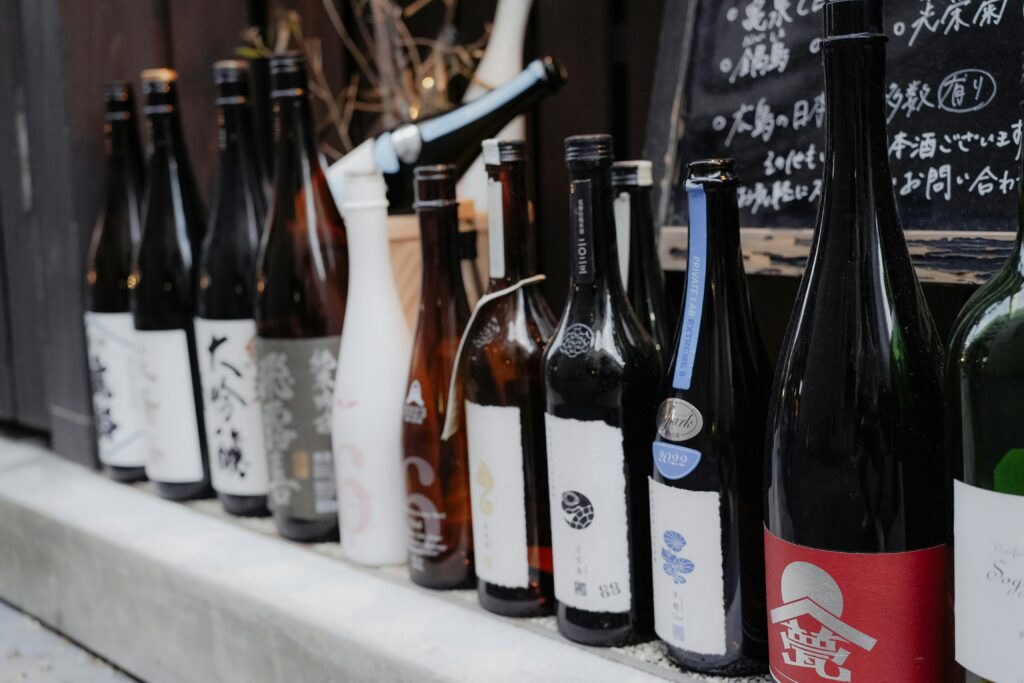
Junmai (pure rice sake, no added alcohol) is where cold drinking is most variable. Some junmai are bright enough to drink cold without losing anything. Others are denser and earthier, and the cold can flatten them. A common guideline is that fuller, less-polished sake may benefit from some warmth. But this is a guideline, not a rule. Some brewers design their junmai specifically for cold service. If the label notes a recommended serving temperature, it is worth following.
The honest answer is that the general logic gives you a starting point, and the sake you have in front of you may behave differently from what the category suggests. People who drink a lot of nihonshu tend to find this more interesting than frustrating.
—
How It Is Actually Drunk
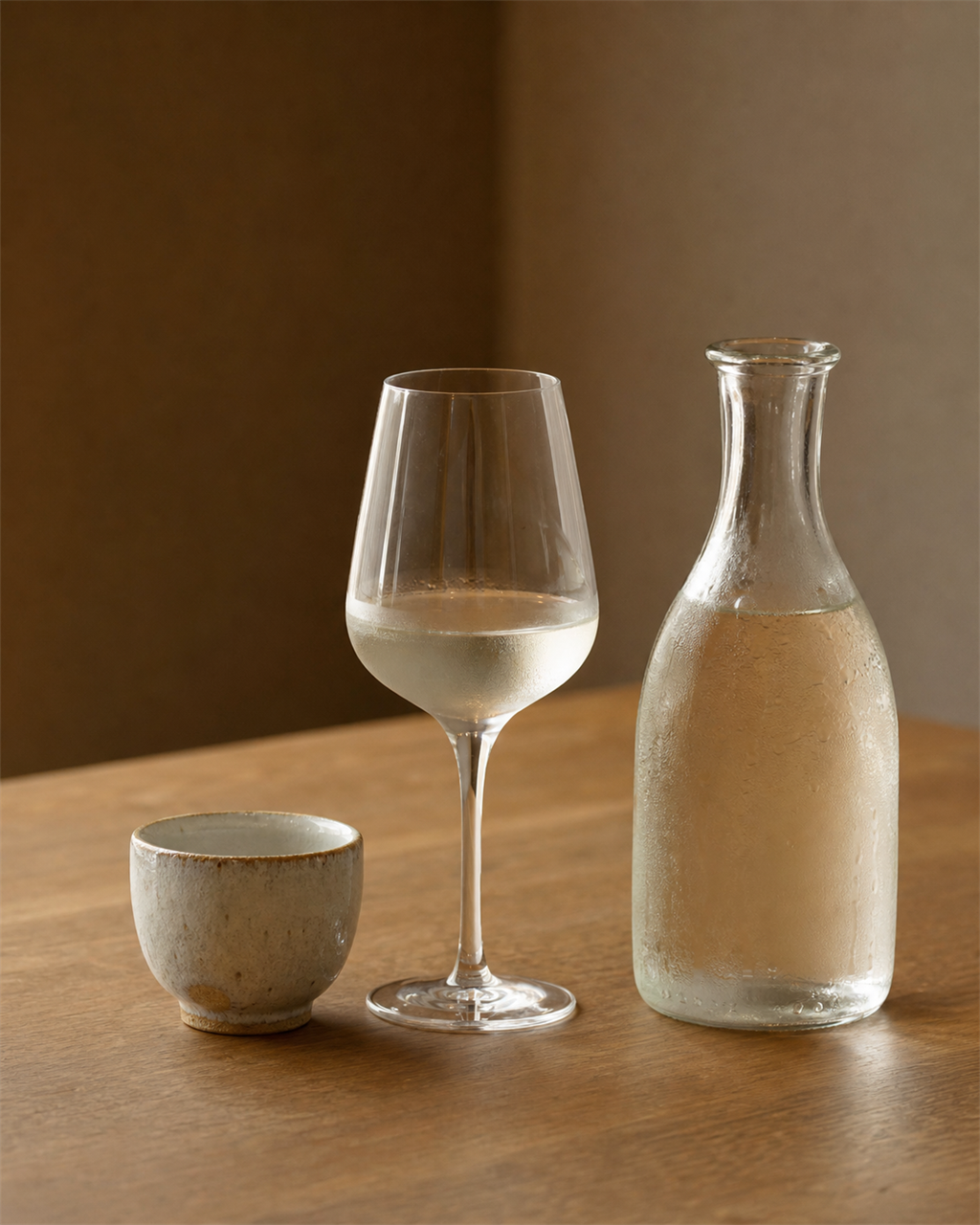
The small ochoko (お猪口, a traditional ceramic cup, usually two to three sips in volume) is still common at older izakaya and when sake is served at the table with food. Its size keeps the sake cold longer than a large glass would and fits naturally in one hand.
In recent years, particularly for fruit-forward ginjo styles, sake has increasingly moved into wine glasses. A wine glass opens the aroma in a way a small cup cannot. This shift is visible at sake bars and newer izakaya, and it reflects partly how some producers have approached presentation, and partly a change in how younger drinkers in Japan approach nihonshu, treating it with the same attention to aroma that wine culture brought to glass shape.
At home, the sake comes from the refrigerator in a bottle that may have been there since the weekend, and goes into whatever glass is clean. This is how most cold sake gets drunk, without ceremony. The vessel still matters, in the same way that how Japanese tableware is chosen, one piece suited to the meal rather than a matched set, shapes the experience. But the sake is good whether or not the glass is correct.
The ritual, if there is one, is small: pour without overfilling, drink without rushing. A piece of chilled hiyayakko (cold tofu with ginger and soy) or lightly salted grilled fish alongside keeps the pace slow and the appetite present.
—
What Cold Sake Is Not
A few clarifications, because sake in general gets simplified outside Japan.
Cold sake is not uniformly delicate. Some reishu is extremely clean and light. But cold sake from regions known for drier or more mineral styles can be assertive and austere. The range is wider than most people outside Japan expect.
It is also not a substitute for wine. The wine glass and comparable price range suggest a parallel, but the fermentation logic is different, the flavor compounds are different, and the way it interacts with food is different. Cold sake does not have the acidity that wine has. It works differently with food, and the comparison, while useful as a starting point, does not go very far.
And cold sake is not only for summer. It is drunk in spring and autumn too. But the emotional register shifts. In August, it feels necessary. In October, it is a choice among equals.
—
A Closing Note
There is a version of this that ends with a specific label or region to seek out, a bottle to find.
That version exists elsewhere, and it is useful. But it is not what I am offering here.
What I would suggest instead is finding an izakaya that pours by the glass, somewhere with a short sake list rather than a long one, and asking the person behind the bar what they would drink cold tonight. The answer will be more specific and more current than anything I can give you.
Cold sake in Japan is a practice that changes by season, by brewery, by the temperature of the room you are sitting in. What stays the same is the logic: pay attention to what the cold is doing to the flavor, let the glass warm slightly before finishing it, and notice the difference.
That is the whole practice. The rest is detail.