Regular anko, the azuki bean paste at the center of so much Japanese confectionery, is made with sugar. A lot of sugar. The ratio is often one part beans to one part sugar by weight, cooked together until the beans break down into a smooth or textured paste. The result is very sweet, deliberately so. It is what most people mean when they say anko. Fermented anko (発酵あんこ) is something else. It uses rice koji instead of sugar to develop sweetness in the cooked beans. No sugar is added. The process takes eight to ten hours rather than an hour at the stove. T
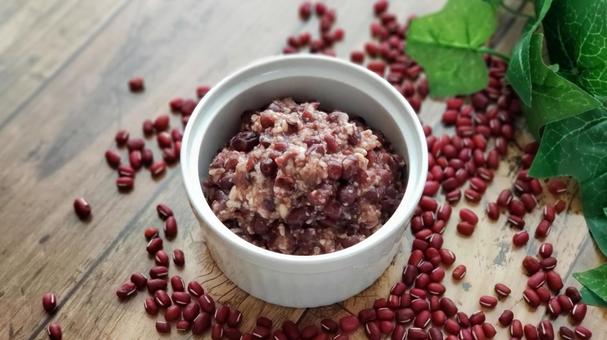
Regular anko, the azuki bean paste at the center of so much Japanese confectionery, is made with sugar. A lot of sugar. The ratio is often one part beans to one part sugar by weight, cooked together until the beans break down into a smooth or textured paste. The result is very sweet, deliberately so. It is what most people mean when they say anko.
Fermented anko (発酵あんこ) is something else. It uses rice koji instead of sugar to develop sweetness in the cooked beans. No sugar is added. The process takes eight to ten hours rather than an hour at the stove. The result is less sweet, with a mild depth that comes from fermentation. It is the same ingredient (azuki beans) arriving somewhere different.
—
What Is Fermented Anko?
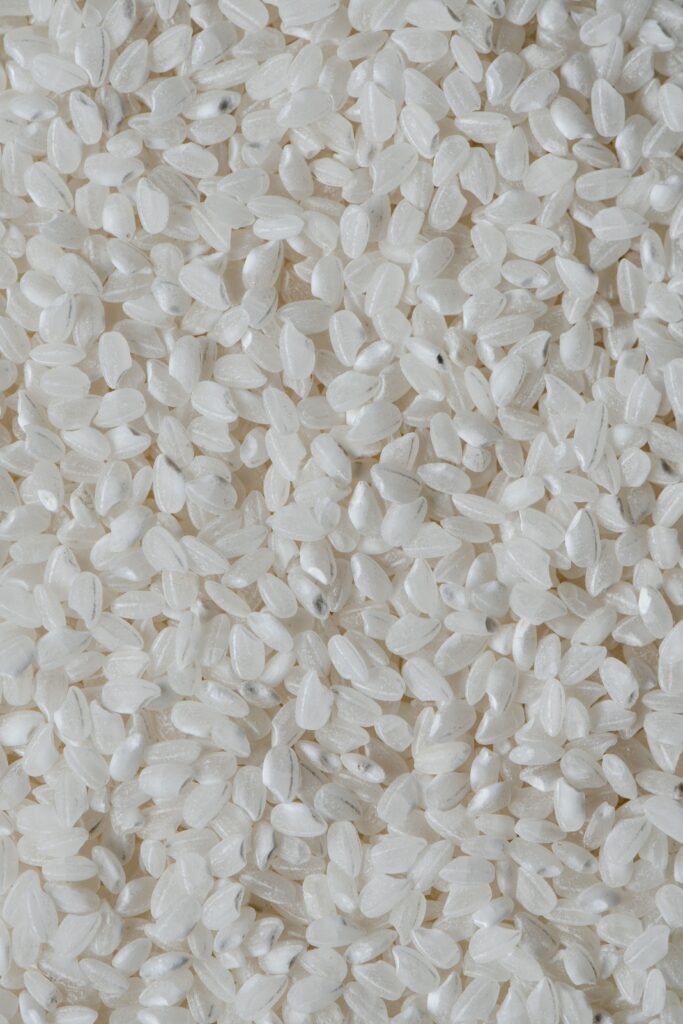
Fermented anko is a Japanese azuki bean paste made with rice koji (米麹) and no added sugar. The sweetness comes entirely from enzymatic activity: the koji breaks down the starches in the cooked beans into glucose and maltose, producing natural sweetness in the same way it does in amazake, the sweet fermented rice drink.
The process requires heat control. Cooked azuki beans are cooled to around 60°C, mixed with rice koji, and kept at 55–60°C for eight to ten hours. This temperature range is critical: warm enough for koji enzymes to work, cool enough not to kill them. In Japan, people use a yogurt maker, a rice cooker on the “keep warm” setting, or an insulated pot wrapped in towels, checking and stirring every two hours.
The result is a paste that is noticeably less sweet than sugar anko, with a colour that is slightly lighter and a texture that is softer. If you are expecting regular anko, it may seem understated. If you are approaching it as fermented food, the mild sweetness with faint complexity is the point.
—
The Role of Koji in Japanese Food Culture
Koji (麹) is a mold, Aspergillus oryzae, that has been used in Japanese food production for more than a thousand years. It is the foundation of miso, soy sauce, sake, mirin, amazake, and rice vinegar. The enzymes koji produces (amylases that break down starches, proteases that break down proteins) are what give fermented Japanese foods their depth of flavour and their characteristic umami.
Fermented anko is a newer application of this ancient toolkit, but the logic is the same. Koji is introduced to a starch-rich substrate (rice, soybeans, barley, or in this case azuki beans) and allowed to work at a controlled temperature. What comes out is transformed: sweeter, more complex, and metabolically different from the raw ingredients.
In this sense, fermented anko is not an invention. It is an extension. The same microbial process that makes miso, soy sauce, and sake is doing the same work on azuki beans.
—
How Fermented Anko Is Made
The basic process has three stages.
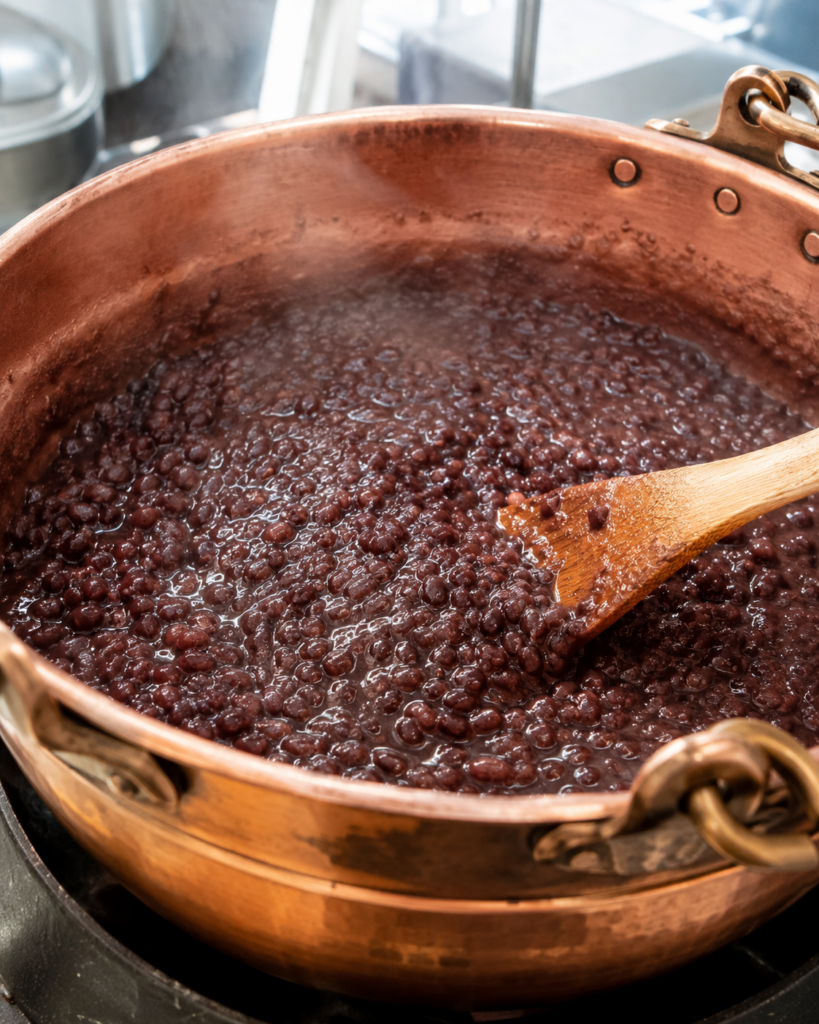
First, cook the azuki beans. Rinse and soak the beans (or start without soaking), then simmer until fully soft, about 60 to 90 minutes. The beans should be cooked through with no resistance at the center. Drain most of the liquid, leaving the beans just moist.
Second, cool and mix with koji. The beans must be cooled to around 60°C before the koji is added. Above 65°C, the koji enzymes begin to denature. Below 50°C, the fermentation slows significantly. The target window is narrow. Once at temperature, mix in rice koji at roughly a 1:1 ratio by weight (some recipes use slightly more koji for a sweeter result).
Third, ferment at low heat. Transfer the mixture to a yogurt maker or keep-warm device set to 55–60°C. Cover loosely to allow some airflow. Ferment for eight to ten hours, stirring every two hours and checking that the temperature stays within range. At the end, the mixture will be slightly sticky, lighter in colour than the original cooked beans, and noticeably sweet without any added sugar.
Some people add a pinch of salt at the end to balance and bring out the sweetness. This is optional.
—
Fermented Anko and the Wagashi Tradition
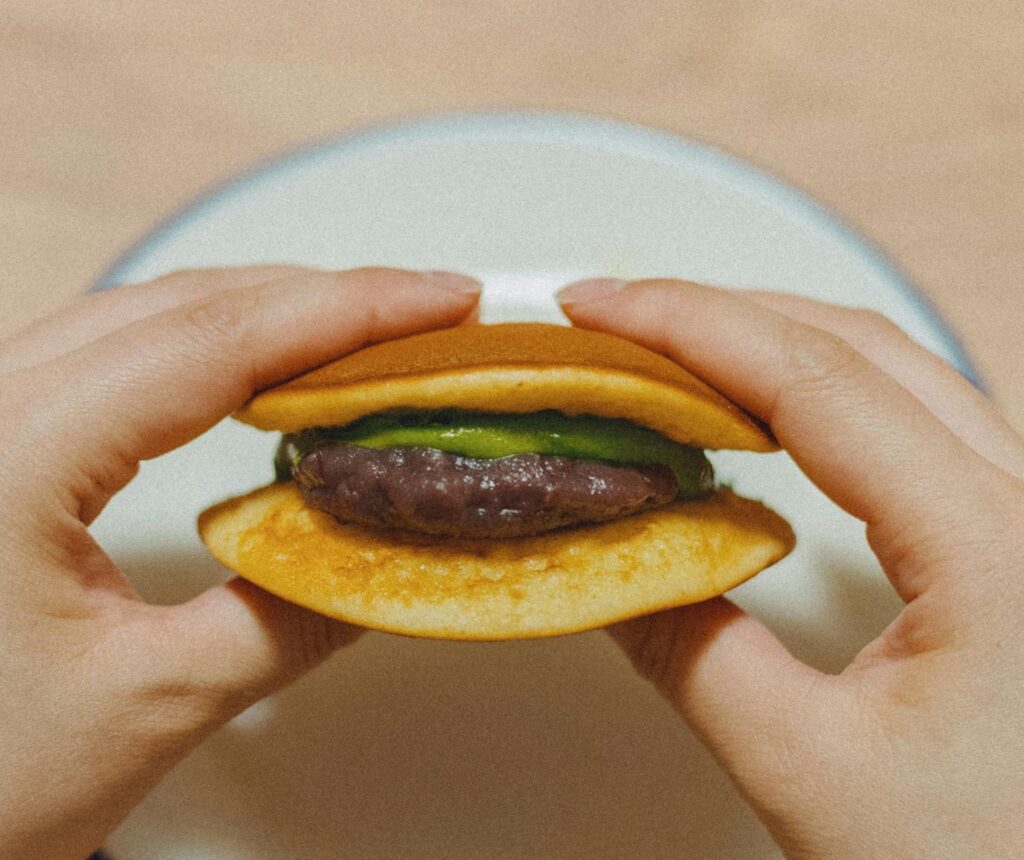
Anko is the filling of most traditional Japanese sweets (wagashi): daifuku, dorayaki, taiyaki, monaka, and many more. Its role in Japanese food culture is significant enough to merit its own vocabulary. Koshian is smooth anko, strained of skins. Tsubuan is chunky, with skins intact. Shiro-an is made from white beans.
Fermented anko does not replace any of these. It is a variation, and a relatively recent one in terms of wide public awareness. A 2018 NHK television feature on sugar-free cooking brought fermented anko to broader attention in Japan, and it has since become a fixture in health-conscious home cooking and in certain artisan wagashi shops.
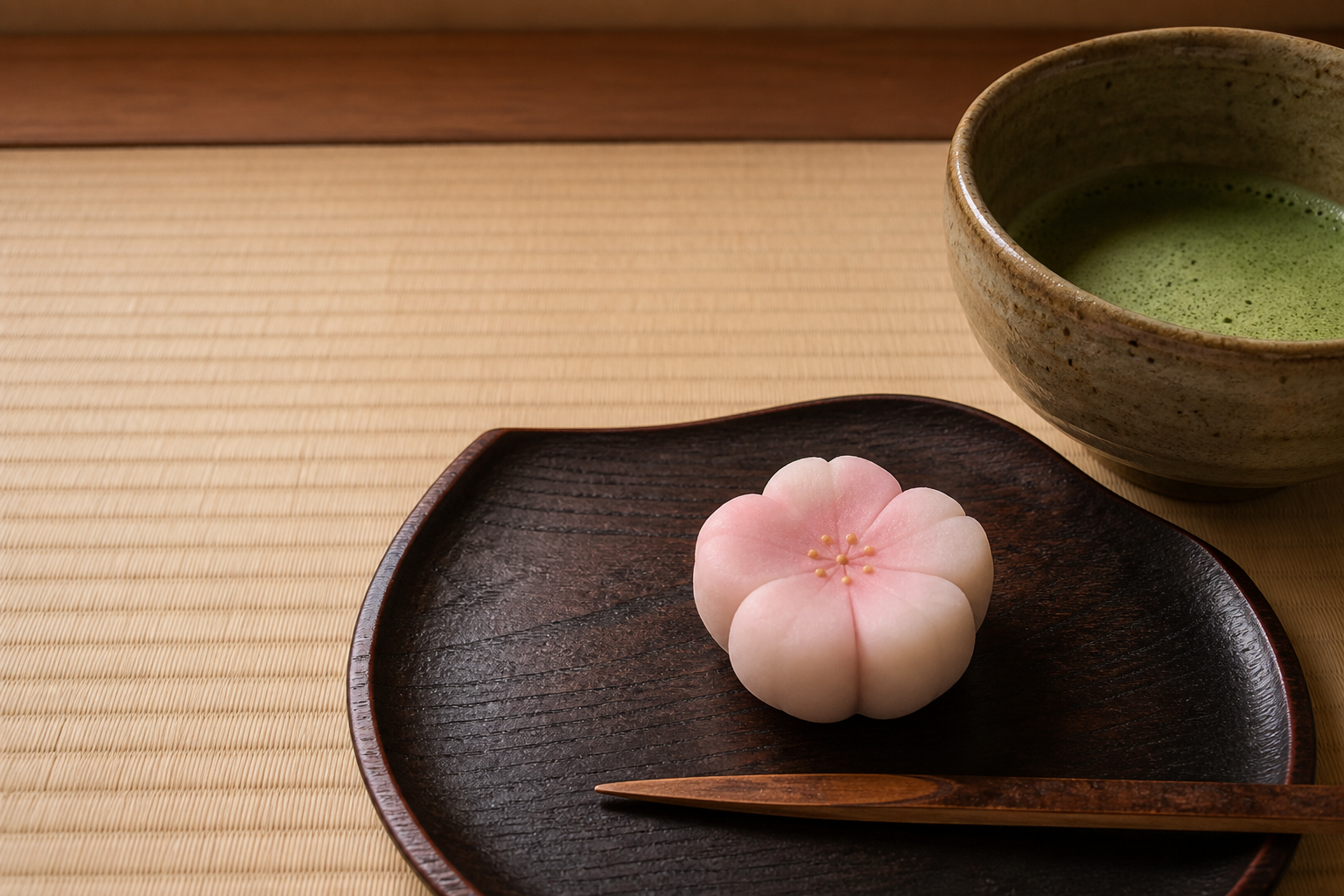
The pairing with matcha is natural. Matcha’s bitterness has always worked well with the sweetness of anko, and fermented anko’s less intense sweetness makes the pairing more balanced. Some wagashi shops now offer fermented anko alongside their regular offerings, without replacing the original.
Wagashi and the seasons explores the broader tradition into which fermented anko fits: the calendar of Japanese sweets, the seasonal ingredients, and the culture of eating sweet things with care rather than in quantity.
—
Health Notes (Without the Hype)
Fermented anko is sometimes described as a health food, and some of that framing is accurate.
The absence of added sugar means a lower glycemic load compared to regular anko. Azuki beans are a good source of plant protein, iron, and dietary fiber. The fermentation process produces amino acids and B vitamins as byproducts of koji enzyme activity.
None of this makes fermented anko medicine. It is a food. What is accurate is that it is a version of anko with less sugar, made from beans and a traditional fermentation culture, eaten as part of a diet rather than as a supplement.
The health framing can also obscure what is most interesting about it: the technique, the tradition it belongs to, and the way it tastes. Starting from those is a more honest approach.
—
Where and How to Eat It
Fermented anko appears in several contexts in Japan.
On shaved ice (kakigori), it works well alongside lighter toppings. Shops that focus on natural, less-sweet kakigori have adopted it as a complement to fruit syrups and condensed milk. Himitsudo in Yanaka, which uses natural ice and pairs it with traditional toppings, represents this approach well.
On toast, which became popular in Japan around the same time as the fermented anko wave, it is used as a spread. The texture holds well and the moderate sweetness works with butter or without.
With matcha, as a small accompaniment to a tea bowl in the wagashi style, it is perhaps at its most considered. The portion is small. The sweetness is restrained. It fits the pace of a tea moment rather than a dessert.
Fermented anko is also made at home more often than it is bought, because the process is manageable for anyone with a yogurt maker and a couple of free hours. This home kitchen presence is part of what makes it interesting as a food story: it is reproducible, and that gives it a different kind of longevity than most.